
 Save to Pinterest
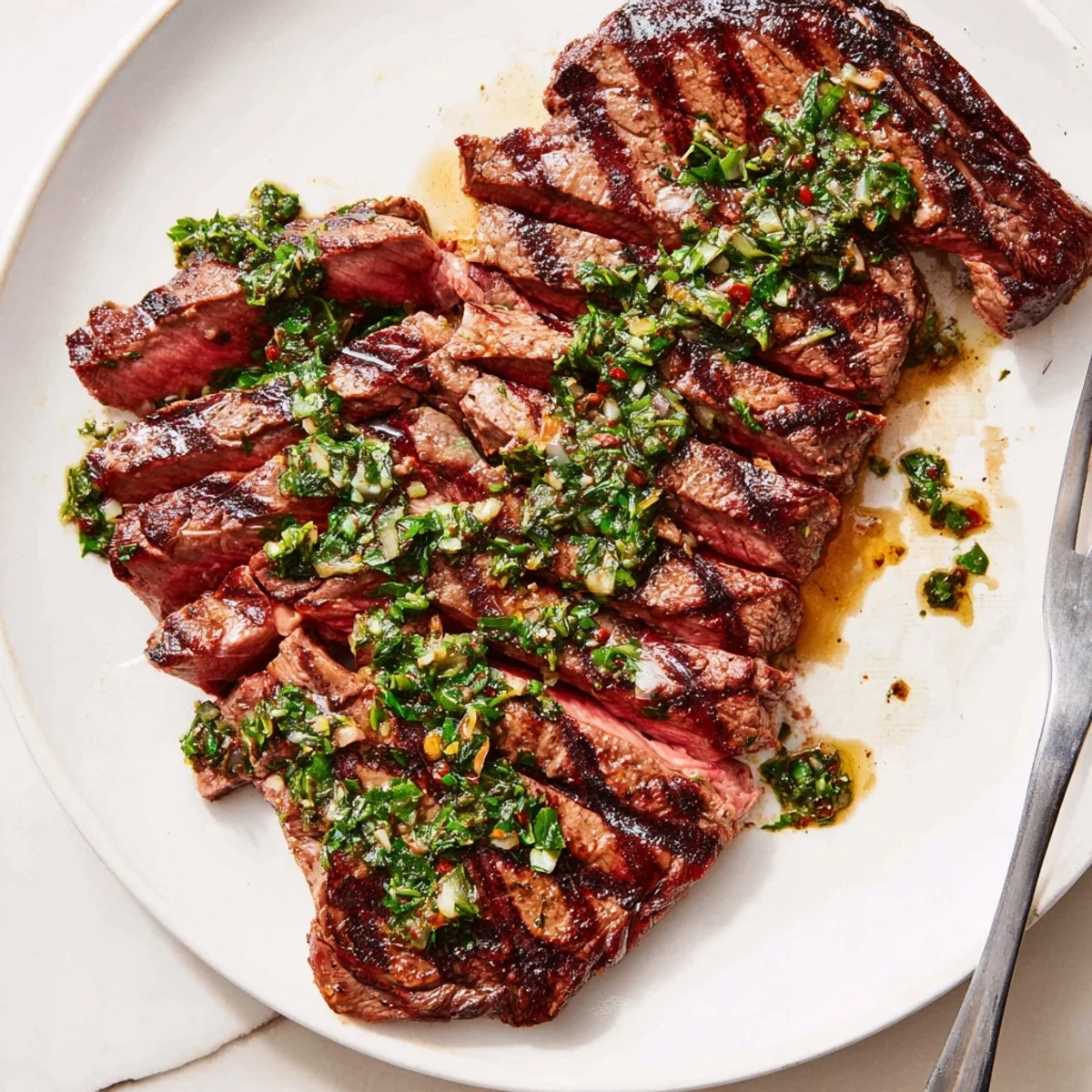
 Brush steaks with olive oil, season, and sear over high heat 4–6 minutes per side for medium-rare. While steaks rest, combine parsley, optional cilantro, garlic, olive oil, red wine vinegar, lemon juice, oregano, red pepper flakes, salt and pepper. Slice against the grain, spoon chimichurri over, and serve. Marinate with chimichurri up to 2 hours for deeper flavor; rest steaks 5 minutes before slicing.
The scent of parsley and grilled steak always reminds me of summer evenings with the windows flung open, letting in a warm breeze as I chop herbs for chimichurri. It’s that rush of green and garlicky freshness, brightening up even the dullest Tuesday. The first time I made this, I was intrigued by how a sauce so simple could give steak a whole new presence. It’s since become a ritual whenever friends drop in unexpectedly.
I once made a double batch when my brother stopped by with a crew of friends after a soccer match. We sat on the porch, passing the bowl of sauce back and forth, laughing as we argued over who’d gotten the steak with the most char. The chimichurri stained our fingers green and nobody seemed to mind.
Ingredients
- Boneless Ribeye or Sirloin Steaks: Look for good marbling—a little patience at the butcher pays off for juicy, tender bites.
- Olive Oil: Just enough to coat the steaks and help the surface sear; I stick with a fruity extra-virgin for both steak and sauce.
- Kosher Salt: Generous seasoning makes all the difference, especially right before grilling so the meat stays juicy.
- Black Pepper: Freshly cracked is best for a bit of punch and aroma on the crust.
- Flat-Leaf Parsley: Choose flat rather than curly—the flavor is brighter, and it blends smoothly into the chimichurri.
- Cilantro (optional): I toss it in when I want a bit of citrusy zip, but it’s perfectly fine to leave it out.
- Garlic: Four cloves is just right—enough bite without overpowering the herbs.
- Extra-Virgin Olive Oil: Use your favorite, since its flavor really shines in the sauce.
- Red Wine Vinegar: The acidity balances all the oil and brings everything together—don’t skip it.
- Lemon Juice: I always squeeze it fresh at the last minute for the cleanest zing.
- Dried Oregano: Just a bit gives that classic Argentinian aromatic undertone.
- Red Pepper Flakes: Adjust to preference; I sprinkle a little extra when I want the sauce to wake up my tastebuds.
Instructions
- Mix the Chimichurri:
- Grab a bowl and whisk together parsley, cilantro if using, garlic, olive oil, vinegar, lemon juice, oregano, red pepper, salt, and pepper. Let it sit out while you prep the steak so the flavors can mingle.
- Season the Steaks:
- Pat the steaks dry with a towel, then drizzle both sides with olive oil, a good sprinkle of salt, and plenty of black pepper.
- Fire Up the Grill:
- Heat your grill or grill pan on high until you hear a sizzle when a drop of water hits it. Place the steaks down and don’t fuss with them—let them develop a deep, flavorful crust.
- Grill to Perfection:
- Cook the steaks for about 4–6 minutes per side for medium-rare, flipping just once. When they feel springy and release easily, they’re ready; transfer to a plate and loosely tent with foil.
- Rest and Slice:
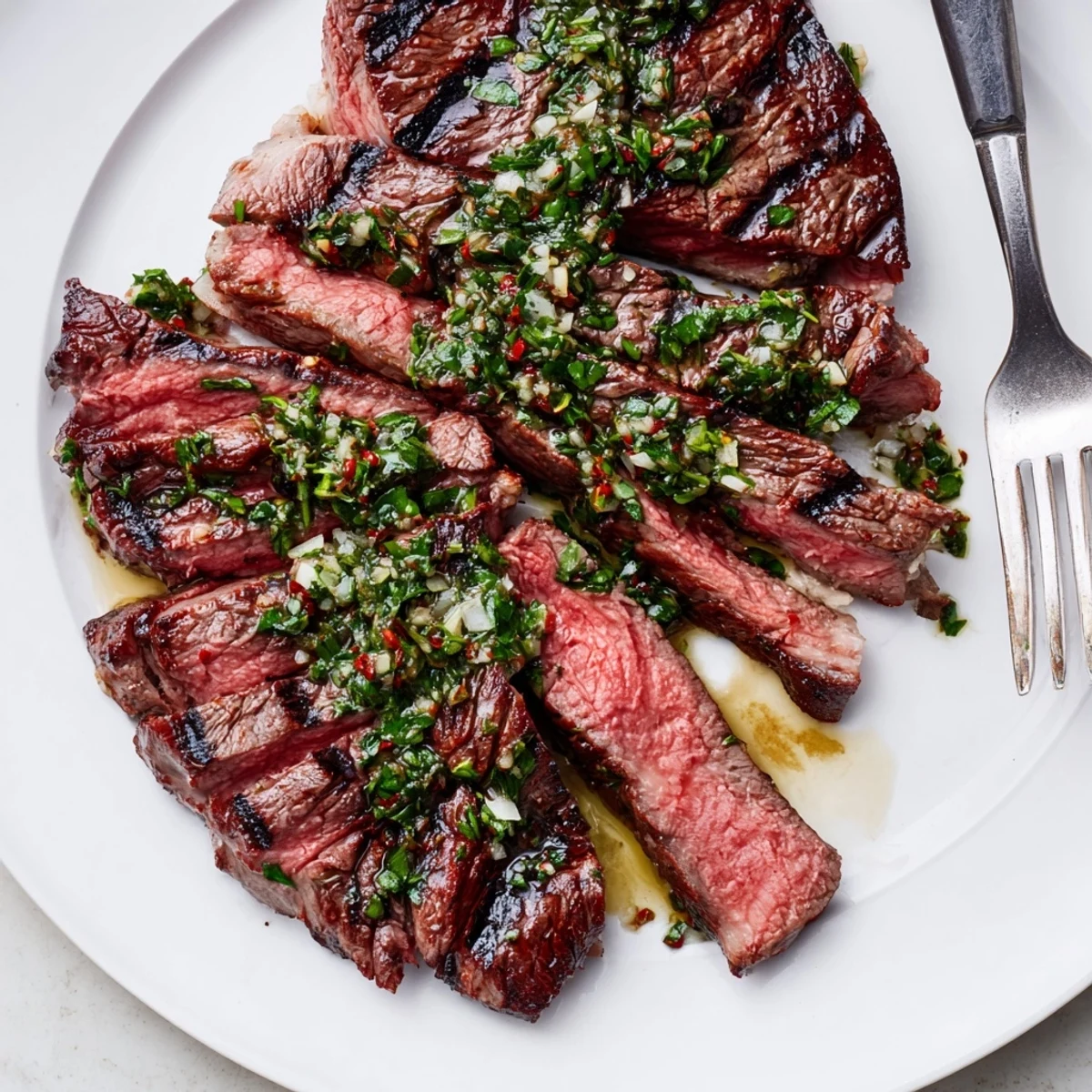
- Let the steaks rest for 5 minutes (trust me, this matters) before slicing across the grain into thick, juicy strips.
- Spoon on the Sauce:
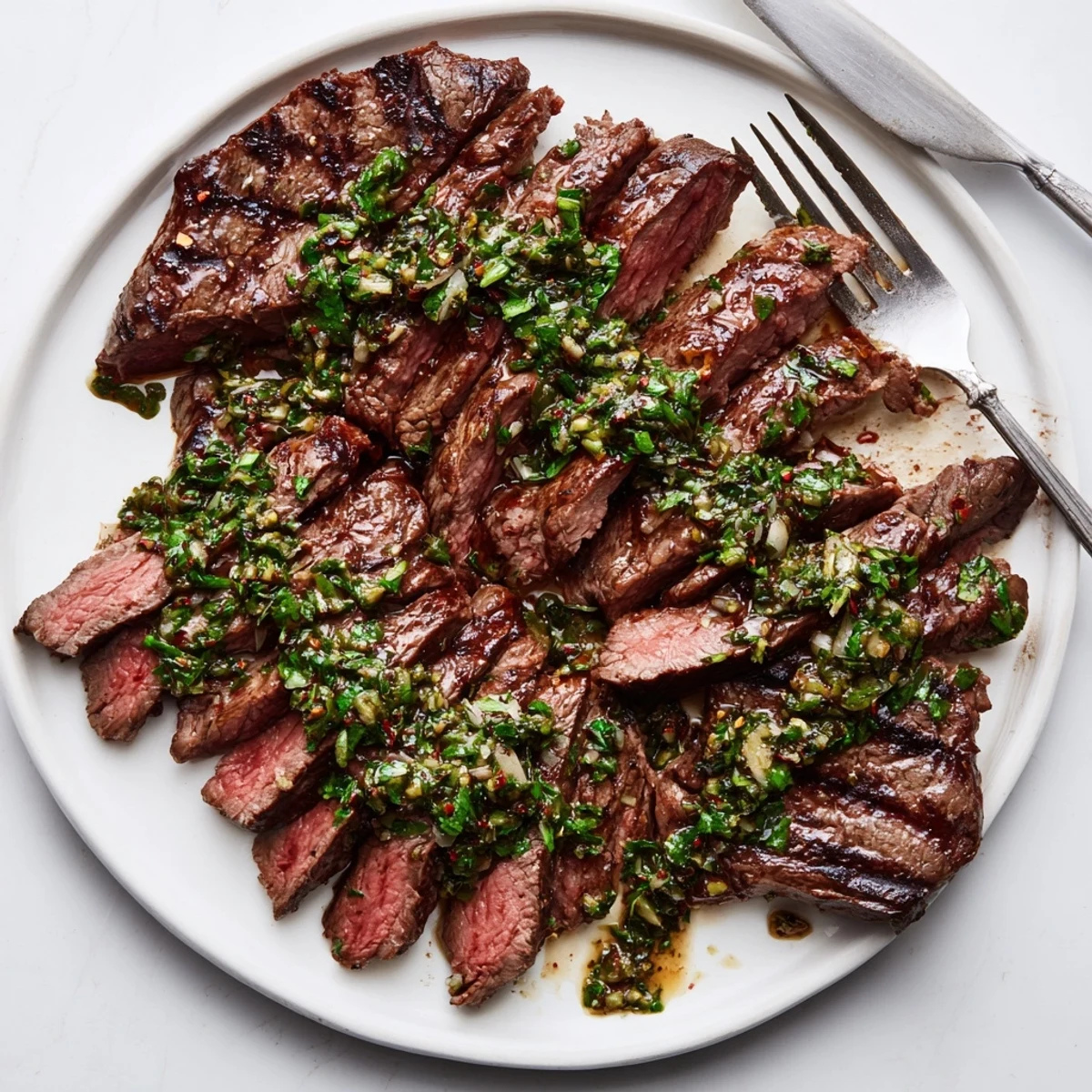
- Arrange the slices on a platter, pour over a generous amount of chimichurri, and pass extra sauce at the table for good measure.
 Save to Pinterest
 Watching everyone reach for a second slice, faces lighting up as the bright sauce hits their palate, made me realize how food has the power to turn a weekday meal into something a little bit celebratory.
A Little Prep Goes a Long Way
I found that chopping all the herbs by hand (rather than using a food processor) gives you a rustic texture that holds on to the oil and vinegar. Plus, the meditative rhythm of the knife against cutting board adds to the anticipation of the meal.
The Magic of Marinating
Letting the steak soak in a spoonful or two of chimichurri for an hour or two intensifies the flavor in a way that always surprises me. Even a quick 20-minute marinade gives a noticeable boost, especially when you’re in a rush.
How to Serve Steak with Chimichurri
Arranging sliced steak on a big platter, each piece kissed with sauce, always draws people to the table faster than I can call them. Serve with roasted potatoes or good crusty bread on the side if you want to round things out.
- Let everyone add their own chimichurri—some like more, some less.
- Leftover sauce keeps well for a few days and is brilliant on eggs or veggies.
- If you prefer your steak on the rare side, shave a minute off grilling time.
 Save to Pinterest
 This is the kind of dish that makes a Tuesday dinner feel like a mini celebration. Enjoy making it your own as you go.
Recipe FAQs
- → Which cut works best for this preparation?
-
Boneless ribeye or sirloin deliver a good balance of flavor and tenderness. Skirt or flank can be used for a leaner, more intensely beefy result—slice thinly against the grain.
- → How long should I cook steaks for medium-rare?
-
Sear over high heat about 4–6 minutes per side depending on thickness. Use resting time of 5 minutes to allow juices to redistribute and reach ideal doneness.
- → Can the chimichurri be made ahead?
-
Yes. Chimichurri develops flavor as it sits; make it up to a day ahead and keep refrigerated. Bring to room temperature before serving to let the oil loosen and aromas bloom.
- → Is marinating with chimichurri recommended?
-
Marinating for up to 2 hours adds depth and tenderizes the surface. For longer times, reduce lemon and vinegar to avoid over-acidifying the meat.
- → What are good side dishes and beverage pairings?
-
Grilled vegetables, roasted potatoes or a simple salad complement the dish. Robust reds like Malbec or Cabernet Sauvignon pair well with the herb and garlic notes.
- → How should leftovers be stored and reheated?
-
Store sauce and sliced steak separately in airtight containers in the fridge for 2–3 days. Reheat steak gently in a low oven or quickly in a hot skillet; add chimichurri fresh or at room temperature to preserve brightness.
