
 Save to Pinterest
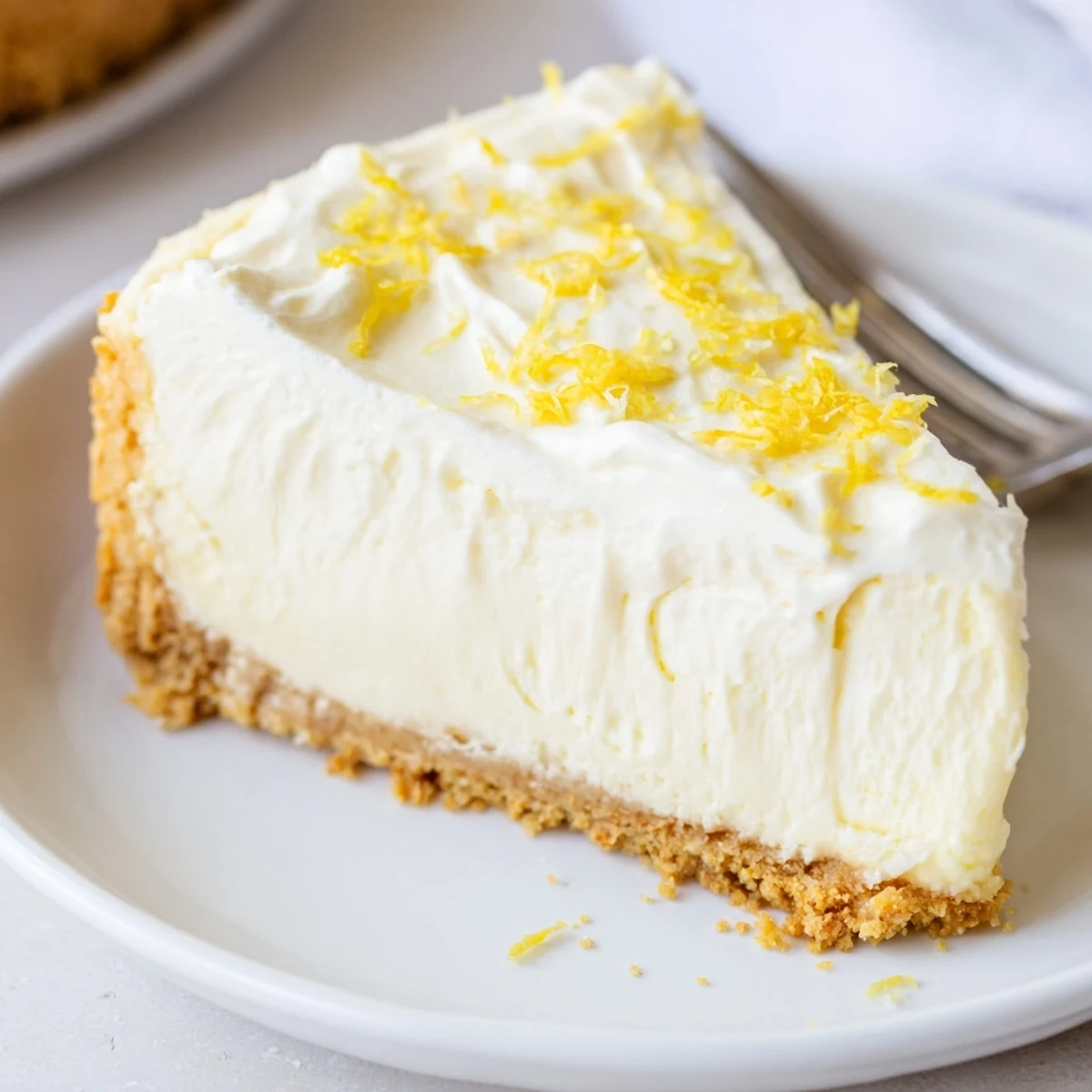
 Beat softened cream cheese until smooth, add sugar, then incorporate eggs one at a time. Fold in sour cream, vanilla, flour and a splash of lemon for brightness. Press a buttery graham cracker crust into a 9-inch springform pan, prebake, then pour in filling. Bake at 160°C (325°F) until edges are set and center is slightly wobbly (about 45 minutes), cool in the oven with the door ajar, then chill 4+ hours. Top with sweetened sour cream or fresh berries and zest for extra lift. Use room-temperature ingredients for a silkier texture and avoid overmixing to prevent cracks.
The apartment smelled like brown butter and vanilla for three straight days after my first attempt at cheesecake, which cracked so badly across the top that I served it in bowls and called it deconstructed. My friend Elena took one bite, paused, and said this is the best mistake you have ever made. That lopsided, deeply flawed dessert taught me more about patience and oven thermodynamics than any cookbook ever could. Now it is the thing people request from me by name.
I made this for my mother's birthday one March when she swore she did not want a cake, and she stood at the refrigerator at midnight eating it straight from the pan with a fork, hoping nobody would notice.
Ingredients
- Graham cracker crumbs (200 g): The backbone of the crust, and worth pulverizing your own crackers rather than buying pre crushed if you want that uneven, rustic texture.
- Unsalted butter, melted (100 g): Binds the crumbs and toasts them slightly during the blind bake, creating a nutty foundation.
- Granulated sugar for crust (2 tbsp): Just enough sweetness to make the crust feel like part of the dessert, not a vessel.
- Cream cheese, softened (900 g): The star, and it must be truly soft, meaning you left it on the counter for two hours, not microwaved it into a lumpy warm puddle.
- Granulated sugar for filling (200 g): Dissolves into the cream cheese during beating and keeps the texture smooth throughout the long bake.
- Large eggs, room temperature (3): Added one at a time so each incorporates fully without overmixing, which is the real secret to avoiding those dreaded cracks.
- Sour cream (240 ml): Brings a gentle tang that keeps the richness from becoming cloying, like a quiet bass note under the sweetness.
- Vanilla extract (2 tsp): Use the real thing here because there is nowhere for imitation flavor to hide in such a simple custard.
- All-purpose flour (2 tbsp): A tiny amount of structure that helps the cheesecake slice cleanly without turning it into cake.
- Lemon juice (1 tbsp): Brightens everything and reacts subtly with the proteins to give you that clean, confident set.
- Topping sour cream, powdered sugar, vanilla (optional): A classic diner finish that also conveniently covers any surface imperfections with elegance.
Instructions
- Build the crust foundation:
- Preheat your oven to 160 degrees Celsius and line the bottom of a 23 centimeter springform pan with parchment paper, pressing it flat so your crust bakes evenly without sticking later.
- Press and blind bake:
- Toss the graham crumbs, melted butter, and sugar together until the mixture feels like damp sand, then press it firmly and evenly into the pan base. Bake for ten minutes until it smells toasted and golden, then set it aside to cool while you work on the filling.
- Beat the cream cheese smooth:
- In a large bowl, beat the softened cream cheese on medium speed until it is completely lump free and creamy, scraping down the sides once or twice because those hidden clumps will haunt every single slice.
- Incorporate sugar and eggs:
- Gradually pour in the sugar while mixing, then add the eggs one at a time, beating well after each addition until the batter looks glossy and unified.
- Finish the filling:
- Blend in the sour cream, vanilla extract, flour, and lemon juice, mixing only until everything is combined because overbeating now invites air bubbles that will expand and crack your cheesecake in the oven.
- Pour and bake gently:
- Pour the filling over the cooled crust and smooth the top with a spatula, using a gentle sweeping motion. Bake for 45 minutes until the edges are set but the center still has a wobble like gelatin, because carryover heat will finish the job.
- Cool with patience:
- Turn off the oven, crack the door open, and let the cheesecake sit inside for one full hour, resisting every urge to move it, poke it, or check on it prematurely.
- Chill overnight:
- Remove the cheesecake, let it reach room temperature completely, then refrigerate for at least four hours though overnight is what transforms good into unforgettable.
- Add the optional crown:
- Whisk sour cream, powdered sugar, and vanilla together until smooth, then spread it gently over the chilled cheesecake surface before slicing and serving.
 Save to Pinterest
 The night my roommate's boyfriend broke up with her, I pulled a cheesecake from the fridge at eleven pm and we sat cross legged on the kitchen floor eating it without plates.
Getting That Perfect Slice
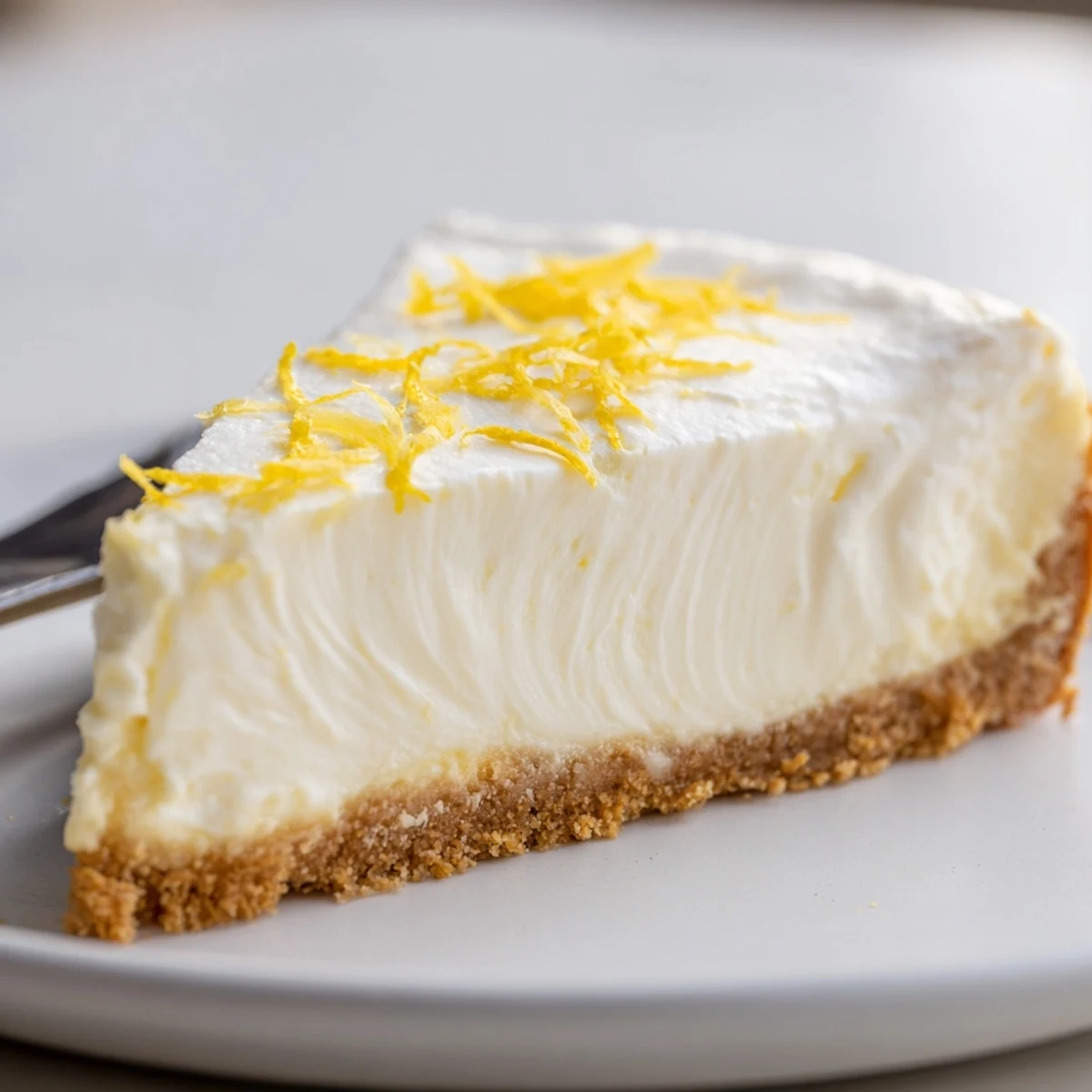
Run a tall glass of hot water, dip your knife in it, wipe it clean with a towel, and make a single confident cut, repeating between every single slice.
Flavor Variations Worth Trying
Fold finely grated lemon or orange zest into the filling for a citrus perfume that runs through every bite without overpowering the cream cheese. A handful of mini chocolate chips scattered over the crust before pouring the filling creates a hidden layer of surprise. Swirling fruit jam through the batter with a toothpick looks beautiful but remember that added moisture can soften the set.
Serving and Storage Wisdom
This cheesecake actually tastes better on the second day when the flavors have settled and the texture has fully tightened into that dense, sliceable perfection. Keep it covered in the refrigerator for up to five days, though in my experience it rarely lasts past day three. Freeze individual slices wrapped tightly in plastic for up to two months.
- Let refrigerated slices sit at room temperature for fifteen minutes before serving so the cold does not mute the flavor.
- Fresh berries or a quick berry compote spooned over each slice adds acidity that balances the richness beautifully.
- Always loosen the springform ring with a warm knife before removing it completely so the edges stay pristine.
 Save to Pinterest
 Some desserts are just dessert, but a really good cheesecake is the reason people linger at the table long after the candles are blown out. Make it once and it will follow you to every gathering you host for years.
Recipe FAQs
- → How do I prevent cracks on the surface?
-
Use room-temperature cream cheese and eggs, mix until just combined, and avoid overbeating. Bake at a moderate temperature and let the cake cool in the oven with the door ajar to reduce sudden temperature changes that cause cracks.
- → Can I substitute the graham crust?
-
Yes. Finely crushed digestive biscuits, shortbread, or even Oreo crumbs work well. Adjust the butter amount to get a pressable, slightly damp texture before prebaking for stability.
- → Why is my center still wobbly after baking?
-
A slightly wobbly center is normal and will firm up while cooling and chilling. If it seems very runny, it may need a few more minutes in the oven; aim for set edges and a gentle jiggle in the middle.
- → How long should it chill before serving?
-
Chill at least 4 hours, but preferably overnight. Extended chilling helps the texture set and improves slicing. Cover loosely to prevent condensation on the surface.
- → What variations enhance the flavor?
-
Fold in finely grated lemon or orange zest for citrus brightness, swirl in jam or caramel before baking, or serve with a fresh berry compote. A tablespoon more flour yields a slightly firmer set.
- → How should leftovers be stored?
-
Keep refrigerated, covered, for up to 4–5 days. Freeze individual slices wrapped tightly for longer storage; thaw in the refrigerator before serving and refresh with fresh berries or a light topping.
