
 Save to Pinterest
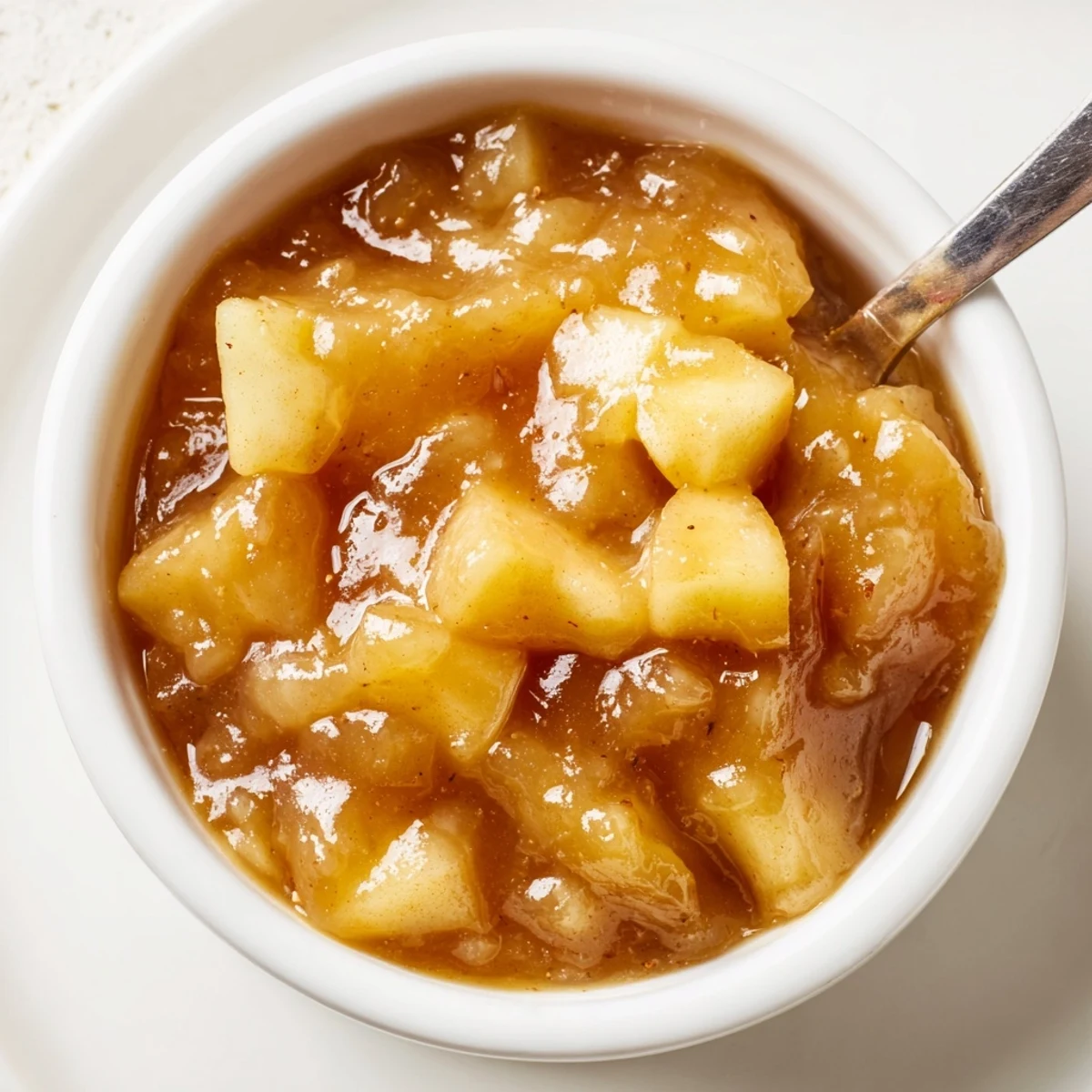
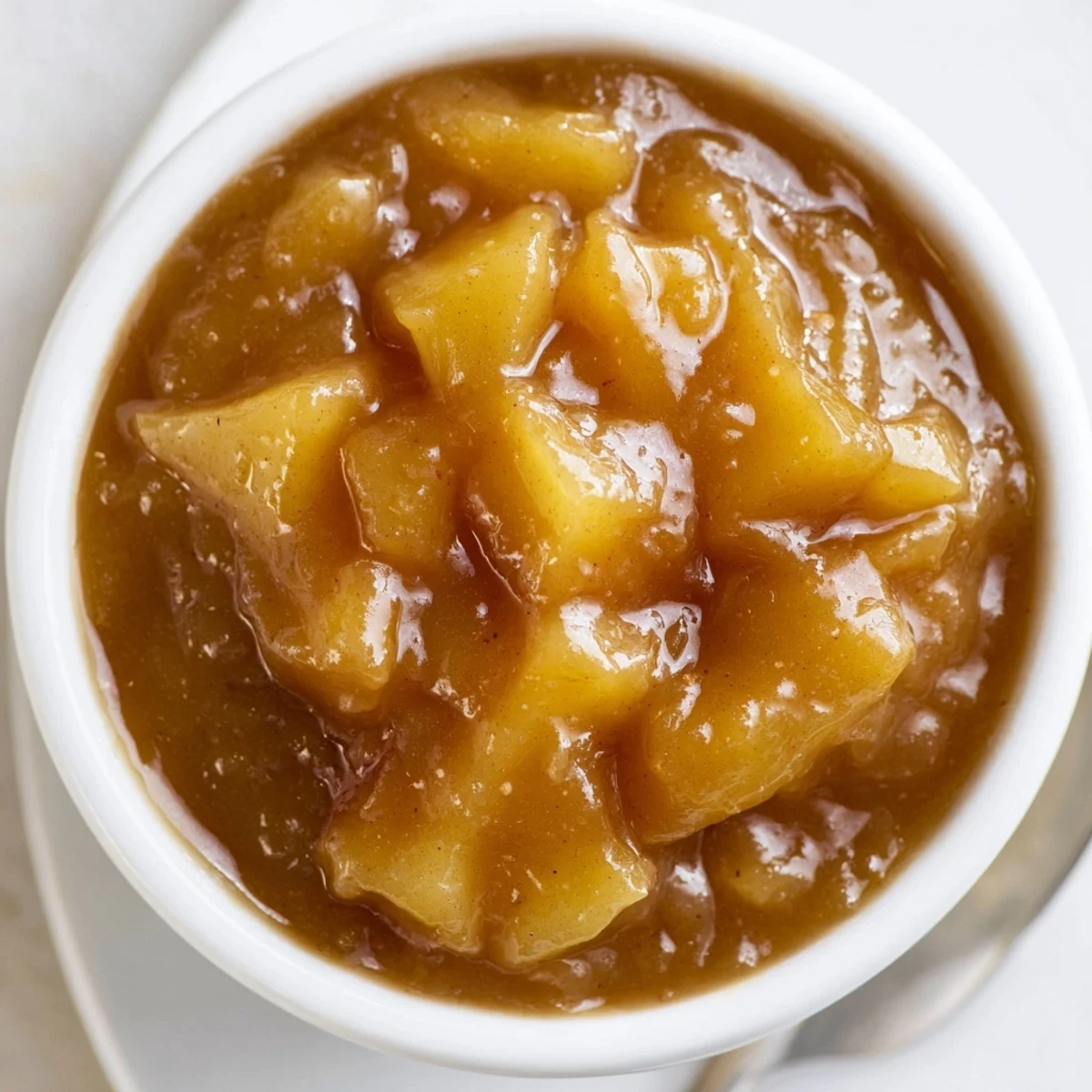
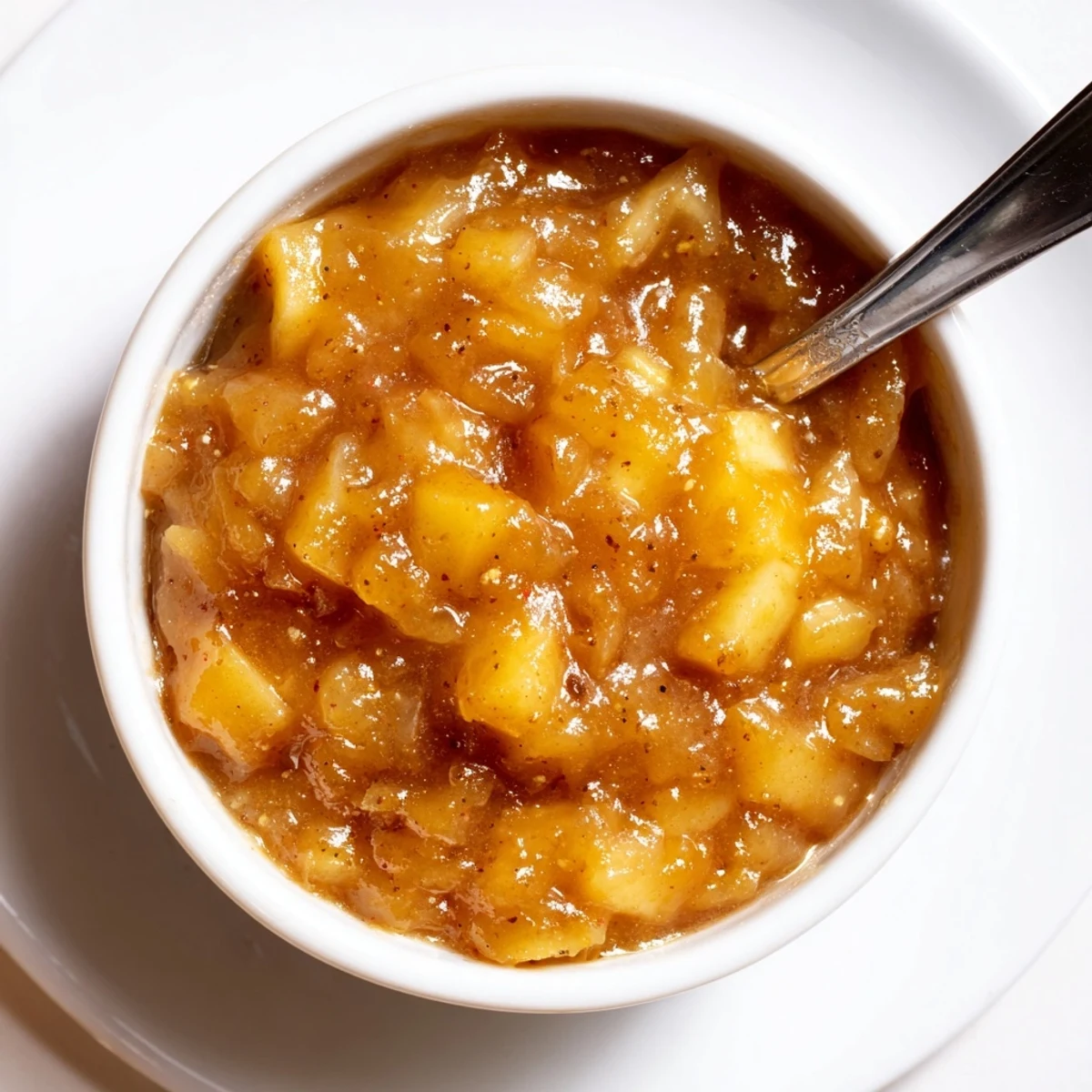
 This autumn jam melds chopped apples, lemon, apple cider, and a caramel base of granulated and brown sugar cooked with butter and warm spices until thick and golden. A pouch of liquid pectin ensures proper set; process jars in a hot water bath for shelf stability. Try adding pears or cooking the sugar separately to deepen caramel notes; spoon into oatmeal, yogurt, or pastries.
The heady aroma of bubbling apples and butter seemed to seize every corner of my kitchen last October, as if autumn itself had moved in. There’s a particular thrill in watching fruit surrender to heat and sugar, especially when the air outside crisps and the urge to preserve the season sets in. I still marvel at how quickly the apples softened and the golden caramel came together one chilly afternoon, banishing gray skies with pure homemade warmth. The memory of scratching a wooden spoon across the pot, anticipation growing, is one I taste every time I swipe this jam on toast.
Last fall, my neighbor knocked, lured by the aroma drifting out my open window while I stirred this jam. We ended up laughing around the stove, trading kitchen hacks as I nervously judged the color of my caramel, determined not to burn it. That spontaneous tasting turned into a tradition: every year since, we crack open a fresh jar while the trees change.
Ingredients
- Apples: Firm types like Honeycrisp or Granny Smith hold up well, and diced small, they yield a jam with satisfying little pockets of fruit.
- Lemon juice: Just a splash brightens the apples and keeps their color lively.
- Granulated sugar: I learned not to skimp—sugar is key for both flavor and the beautiful jammy set.
- Light brown sugar: The molasses nudges the caramel note front and center; pack it for measuring accuracy.
- Unsalted butter: Added richness, and cubing it means it melts in smoothly, avoiding greasy pools.
- Cinnamon: Two teaspoons seems bold, but once simmered, it’s the soul of fall here.
- Nutmeg: Just a pinch keeps things balanced and never overpowering.
- Allspice: Goes a long way, so measure with care for a gentle warmth.
- Salt: Essential for cutting the sweetness and making the flavors pop.
- Liquid pectin: The only foolproof way I’ve found to get just the right gel; wait until a rolling boil before stirring it in.
- Apple cider or juice: Try to use real cider if you can—it deepens the apple flavor.
- Water: Just enough to start everything simmering comfortably without scorching.
Instructions
- Prep the apples:
- Peel, core, and dice your apples so their tartness meets the rich caramel evenly in every bite. Toss with lemon juice right away so the pieces stay fresh and vivid.
- Simmer the fruit:
- Combine apples, lemon juice, cider, and water in your biggest pot—you’ll hear the sizzle as the fruit softens. Stir occasionally for about 10 minutes until the apples seem melty around the edges.
- Start the mash:
- Scoop up a masher or immersion blender and give the apples a gentle smash; some bits should stay chunky for texture. The fragrance will bloom with each press.
- Sugar and spice it:
- Pour in the sugars, cinnamon, nutmeg, allspice, and salt, stirring until the crystals dissolve and the warmth of the spices rises to meet your nose.
- Add the butter:
- Toss in the butter cubes, stirring steadily; the jam will transform, becoming glossy and rich as the butter melts. Keep scraping the bottom with a wooden spoon to prevent any sticking or burning.
- Let it caramelize:
- Keep it on medium heat, letting the mixture thicken and change to a golden caramel color over 20-25 minutes. You’ll know it’s ready when it sheets slightly off the back of your spoon.
- Bring to a boil & add pectin:
- Once thickened, bring it to a rolling boil and swiftly stir in the pectin. Boil hard for 1–2 minutes, then remove from heat so everything sets just right.
- Jar and process:
- Skim away any foam and ladle the hot jam carefully into sterilized jars, leaving 1/4 inch at the top. Clean the rims, place on the lids, and process in a boiling water bath for 10 minutes to seal.
- Cooling and storing:
- When jars are cool, you’ll hear those satisfying pops as they seal. Store the jam in a cool, dark place, and refrigerate once opened.
 Save to Pinterest
 I still remember the grinning faces when I handed out little jars as teacher gifts—each tied with raffia, every label just a bit crooked. It was the first time I realized a simple preserve could spread so much joy, and ever since, this jam has felt like something more than just a recipe.
Balancing Sweetness and Spice
There’s a fine line between bright apple flavor and caramel intensity—I’ve found if your apples are especially sweet, you can dial down the granulated sugar just a tad and bump up the lemon juice for zing. Trust your nose and taste as you go; every pot is a little different.
What to Do With Extra Jam
Beyond slathering it on toast, I love swirling spoonfuls into warm oatmeal, folding it through Greek yogurt, or layering it into quick puff pastry hand pies. It becomes a cozy, unexpected drizzle over vanilla ice cream too.
Jarring and Gifting Wisdom
Be gentle when ladling into jars—overfilling leads to sticky lids, while underfilling can mean excess air and a shorter shelf life. Keep a damp towel handy to wipe rims clean, and don’t panic if a jar doesn’t seal: just refrigerate and enjoy it first!
- If you’re short on time, prepping apples the night before helps.
- Label jars as soon as they cool, so you don’t mix them up in your pantry.
- Always listen for the “pop”—it means your hard work paid off.
 Save to Pinterest
 This caramel apple jam turns the humblest fall fruit into something that sparks smiles with every jar. However you choose to gift or savor it, may it bring a golden bit of autumn to your table all year long.
Recipe FAQs
- → How can I prevent the caramel from scorching?
-
Use a large heavy-bottomed pot and cook over medium heat, stirring frequently. Scrape the bottom gently as it thickens and lower the heat if it starts to darken too quickly. Patience and even heat are key to an even caramel color without burnt flavors.
- → Which apples work best for texture and flavor?
-
Firm, crisp apples like Honeycrisp, Granny Smith, or Braeburn hold texture well and balance sweetness. Mixing varieties gives depth—use some tart apples for brightness and sweeter ones for natural sugar.
- → When should I add the pectin and how does it set?
-
Stir in liquid pectin once the jam reaches a full boil, then continue boiling hard for 1–2 minutes. The pectin helps the spread gel as it cools; chilling a small spoonful can help you check the set before jarring.
- → Any tips for adjusting sweetness or caramel intensity?
-
Reduce granulated sugar slightly for less sweetness or increase brown sugar for richer molasses notes. For deeper caramel, cook the sugar to a light amber before combining with the apples, but watch closely to avoid burning.
- → How should jars be processed and stored?
-
Ladle hot jam into sterilized jars, leave headspace, and process in a boiling water bath for the recommended time. Store sealed jars in a cool, dark place; refrigerate after opening for best quality.
- → Can I swap in other fruits or use this as a filling?
-
Try substituting some apples with pears for a softer, floral note. The caramel-apple mix is excellent stirred into oatmeal or yogurt, or used as a filling for tarts and turnovers.
