
 Save to Pinterest
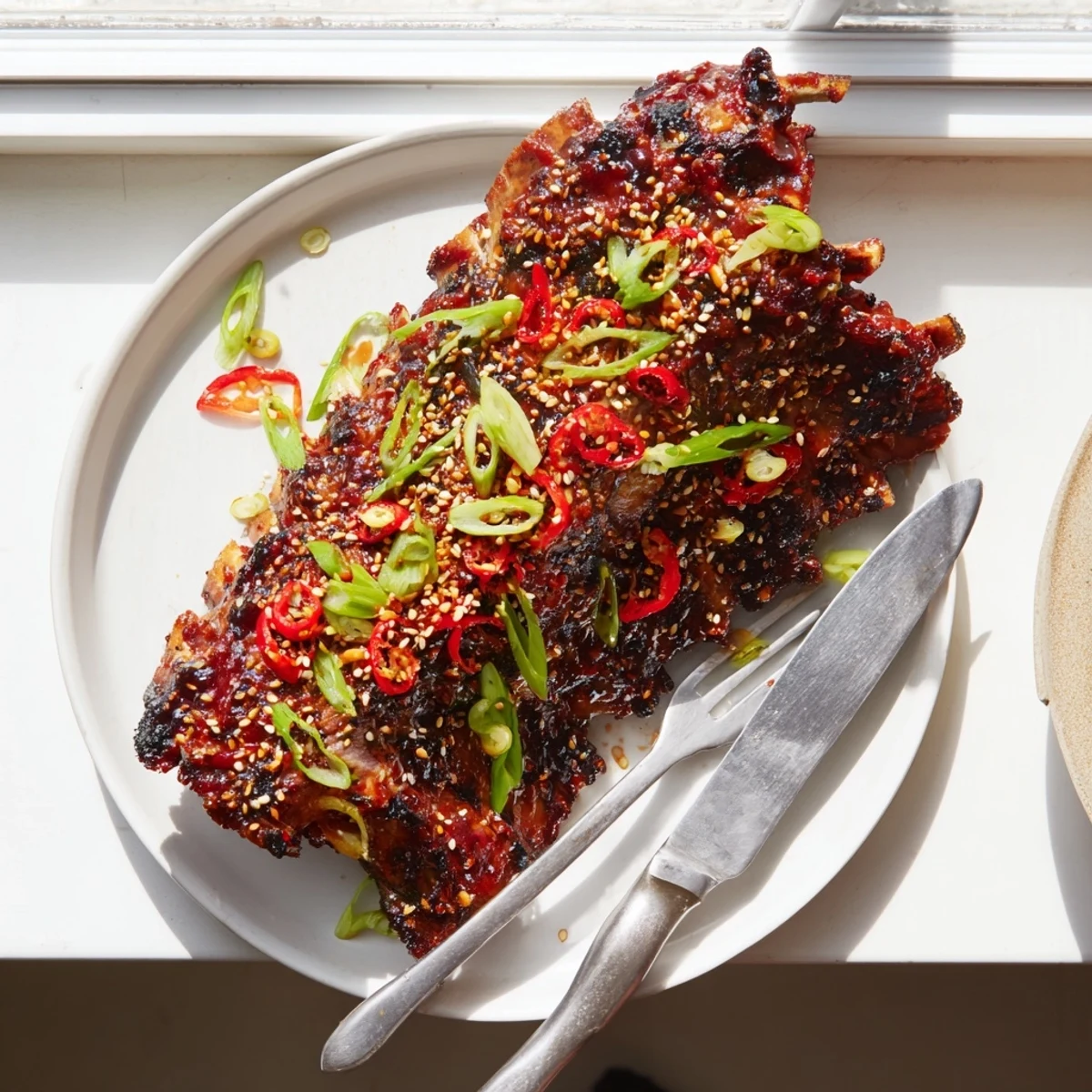
 These Korean BBQ lamb ribs bring together bold, savory-sweet flavors with a citrusy twist. The ribs soak in a rich marinade of gochujang, soy sauce, garlic, and ginger for hours, building deep flavor throughout the meat.
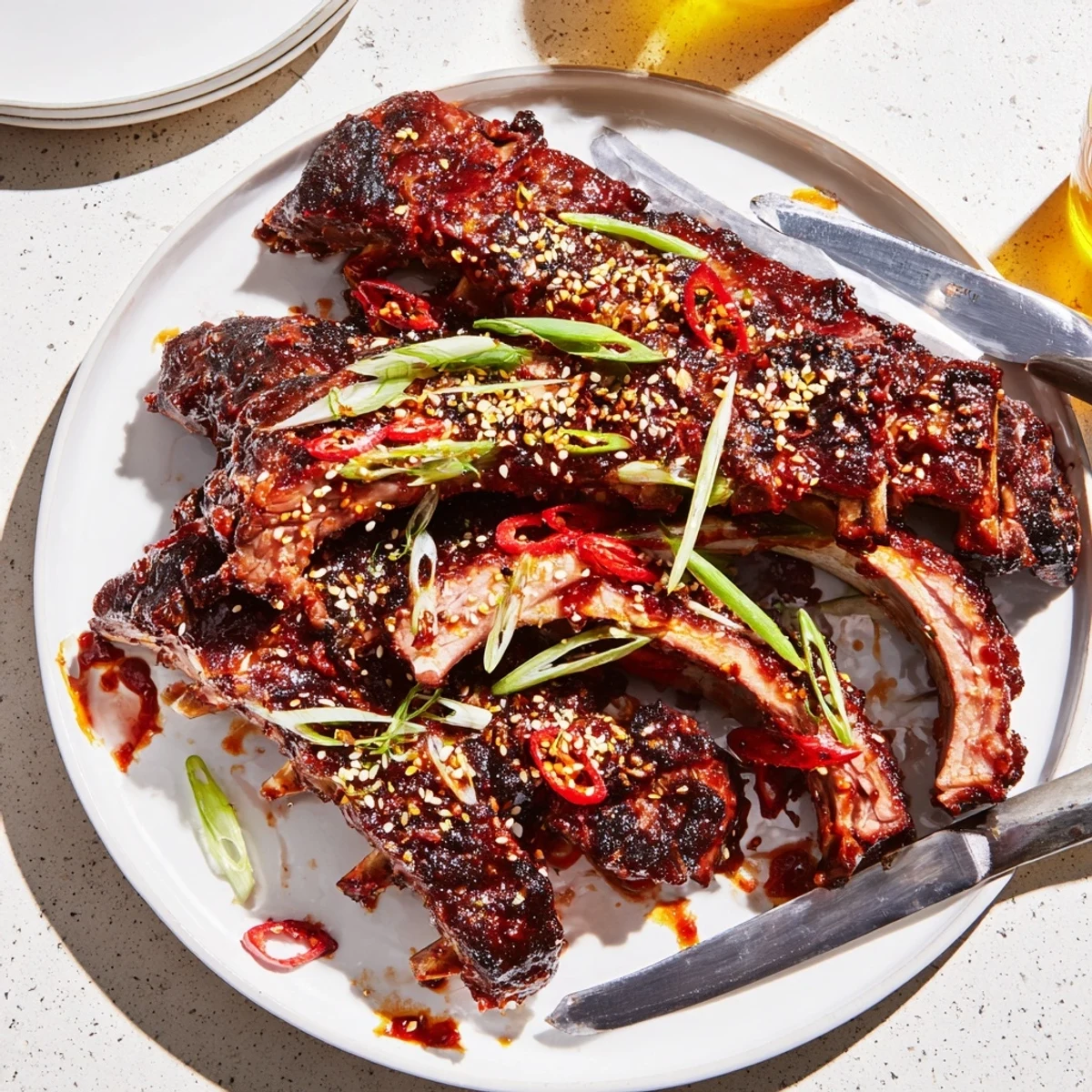
Slow-roasted to tender perfection, then glazed with honey and caramelized under high heat, each rack develops a beautiful sticky char. The finishing touch of fresh yuzu juice cuts through the richness with its unique floral citrus notes.
Serve with steamed rice and pickled vegetables for a complete Korean fusion meal that's sure to impress at any gathering.
The sizzle of lamb ribs hitting a hot grill at a Seoul night market changed how I think about barbecue forever, and I have been chasing that sweet, spicy, smoky high ever since. Korean BBQ lamb ribs with a yuzu squeeze is my attempt to bottle that memory and bring it home to my own kitchen. The fusion of gochujang heat with floral yuzu citrus creates something that surprises people every single time. This recipe takes patience but rewards you with ribs that fall off the bone and leave everyone reaching for seconds.
I cooked these for my neighbor Dave who swore he hated lamb, and he stood over the baking sheet eating ribs straight off the rack before they even made it to a plate. His wife had to physically pull him away so the rest of us could eat. That moment told me everything I needed to know about this recipe.
Ingredients
- Lamb ribs (1.5 kg, trimmed): Ask your butcher to trim them if possible because excess fat can make the marinade slide right off instead of soaking in.
- Gochujang (3 tbsp): This Korean chili paste is the backbone of the marinade and delivers deep, fermented warmth rather than just raw heat.
- Soy sauce (4 tbsp): Use a good quality soy sauce and go gluten-free if needed because it provides the salty umami base everything else builds on.
- Brown sugar (2 tbsp): This helps the marinade caramelize during roasting and creates those gorgeous sticky edges.
- Sesame oil (1 tbsp): Toasted sesame oil adds a nutty richness that ties the Korean flavors together beautifully.
- Garlic (4 cloves, minced): Fresh garlic is non-negotiable here because the pre-minced jar stuff lacks the pungent kick this marinade demands.
- Fresh ginger (2 tsp, grated): Grate it on a microplane right into the bowl for the most vibrant, aromatic result.
- Rice vinegar (1 tbsp): A subtle acid that tenderizes the meat while balancing the sweetness.
- Mirin (2 tbsp, optional): Adds a gentle sweetness and glossy finish but skip it if you cannot find it.
- Black pepper (1 tsp): Freshly ground always because pre-ground tastes like dust in comparison.
- Honey (2 tbsp): Mixed into the glaze for that lacquered, sticky shine on the finished ribs.
- Yuzu juice (2 tbsp): Track this down at an Asian grocery store because the floral, tart fragrance is unlike anything lemon can replicate.
- Toasted sesame seeds (1 tbsp): A crunchy, nutty finish that also looks beautiful scattered over the ribs.
- Scallions (2, thinly sliced): Fresh bite and bright green color to cut through the richness.
- Red chili (1 small, sliced, optional): For those who want an extra kick of heat on top of everything else.
Instructions
- Build the marinade:
- Whisk together the gochujang, soy sauce, brown sugar, sesame oil, garlic, ginger, rice vinegar, mirin, and black pepper in a large bowl until completely smooth. Taste it on your finger because this paste should hit you with salty, sweet, and a slow building warmth all at once.
- Coat the ribs:
- Place the lamb ribs in a large resealable bag or shallow dish and pour every last drop of marinade over them. Massage the paste into every crevice and fold of meat, then seal tightly and refrigerate for at least four hours though overnight is where the magic truly happens.
- Start low and slow:
- Preheat your oven to 160 degrees Celsius and pull the ribs from the fridge while it warms up. Set the ribs on a wire rack over a baking sheet, reserving the leftover marinade, and tent them loosely with foil so they steam gently without drying out.
- Roast until tender:
- Let the ribs roast covered for one full hour while you resist the urge to peek. Your kitchen will fill with an intoxicating smell that will test every ounce of your patience.
- Make the glaze:
- While the ribs roast, pour the reserved marinade into a small saucepan with the honey and simmer over low heat for about five minutes until it thickens into a glossy, sticky glaze. Stir often so it does not scorch on the bottom.
- Caramelize and char:
- Crank the oven up to 200 degrees Celsius, uncover the ribs, and brush them generously with the glaze until every surface glistens. Roast uncovered for ten to fifteen minutes until the edges caramelize and blister with beautiful dark spots.
- Finish with yuzu:
- Pull the ribs from the oven and let them rest for five minutes so the juices settle back into the meat. Drizzle the yuzu juice generously over the top and watch as it pools in the caramelized crevices.
- Garnish and serve:
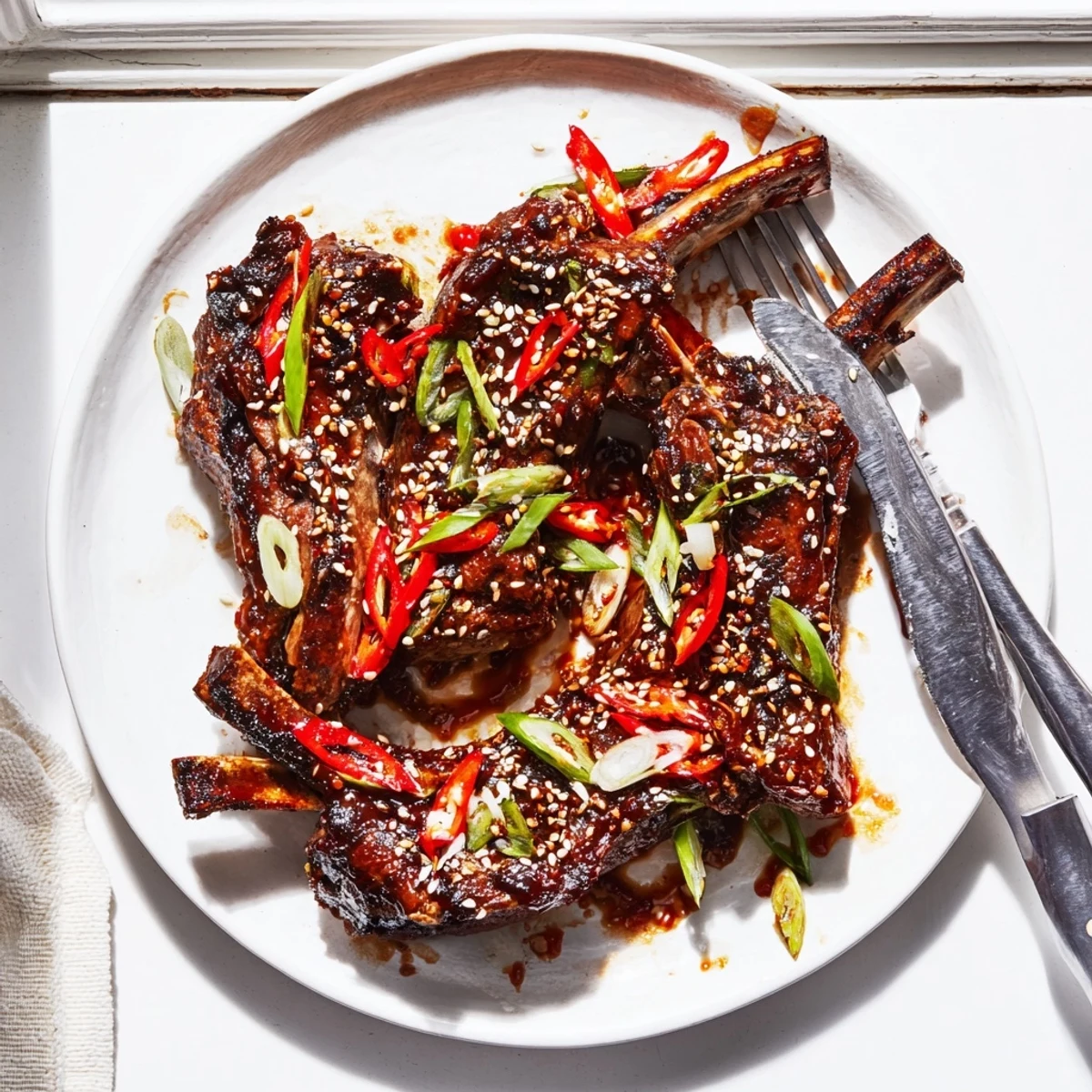
- Scatter the sliced scallions, toasted sesame seeds, and sliced red chili over the ribs while they are still hot so the garnish clings to the sticky surface. Serve immediately because these ribs demand to be eaten while the edges are still slightly crisp.
 Save to Pinterest
 The best meals I have ever made happened when I stopped rushing and let the oven do the work while I sat on the kitchen floor with a drink, listening to the sizzle and waiting for that perfect caramelized moment.
What to Serve Alongside
Steamed white rice is the obvious choice because it soaks up every drop of that sticky, spicy, citrusy sauce. Pickled radishes or a simple cucumber salad with sesame dressing provide a crisp, cooling contrast that keeps each bite feeling fresh and balanced.
Grill or Oven
The oven method delivers incredibly tender, fall-off-the-bone results with minimal fuss, but finishing on a screaming hot grill for two or three minutes per side adds a char that tastes like a street market in Seoul. If you have access to both, do the low slow roast indoors then hit the grill for that final kiss of smoke.
Getting the Heat Right
Gochujang varies wildly in spice level depending on the brand, so taste yours before mixing it into the marinade and adjust the quantity to your comfort. Three tablespoons gives a moderate, family-friendly warmth but you can double it if you like to sweat through dinner.
- Start with less gochujang if you are feeding kids or spice-sensitive guests.
- Check the label on your gochujang because some brands contain hidden wheat or gluten.
- Always let the ribs rest before cutting so you do not lose all those beautiful juices onto the cutting board.
 Save to Pinterest
 Cook these ribs for someone you love on a quiet Sunday afternoon and watch their eyes close on the first bite. That is all the reward you will ever need in a kitchen.
Recipe FAQs
- → Can I substitute yuzu juice with something else?
-
Yes, fresh lemon juice works as a substitute, though the flavor profile will differ. Yuzu has a distinct floral and tart aroma that lemon doesn't fully replicate. If available, a mix of lemon and lime juice comes closer to yuzu's complexity.
- → How long should I marinate the lamb ribs?
-
For the best results, marinate the ribs for at least 4 hours. Overnight marination in the refrigerator yields the most flavorful and tender meat, allowing the gochujang and soy sauce to fully penetrate.
- → Can I finish these ribs on a grill instead of the oven?
-
Absolutely. After the initial oven roasting at 160°C, transfer the glazed ribs to a hot grill for 2–3 minutes per side. This adds extra smoky char and enhances the caramelized exterior.
- → Is this dish gluten-free?
-
It can be. Use gluten-free soy sauce and verify that your gochujang brand is certified gluten-free, as some contain wheat. Check all condiment labels carefully to ensure compliance.
- → What should I serve with Korean BBQ lamb ribs?
-
Steamed white rice and pickled vegetables are classic pairings that balance the rich, sticky ribs. A simple cucumber salad or kimchi also complements the bold flavors beautifully.
- → How do I adjust the spice level?
-
The heat comes primarily from the gochujang. Reduce the amount for milder ribs, or add extra for more kick. You can also incorporate the sliced red chili garnish for additional heat at serving time.
