
 Save to Pinterest
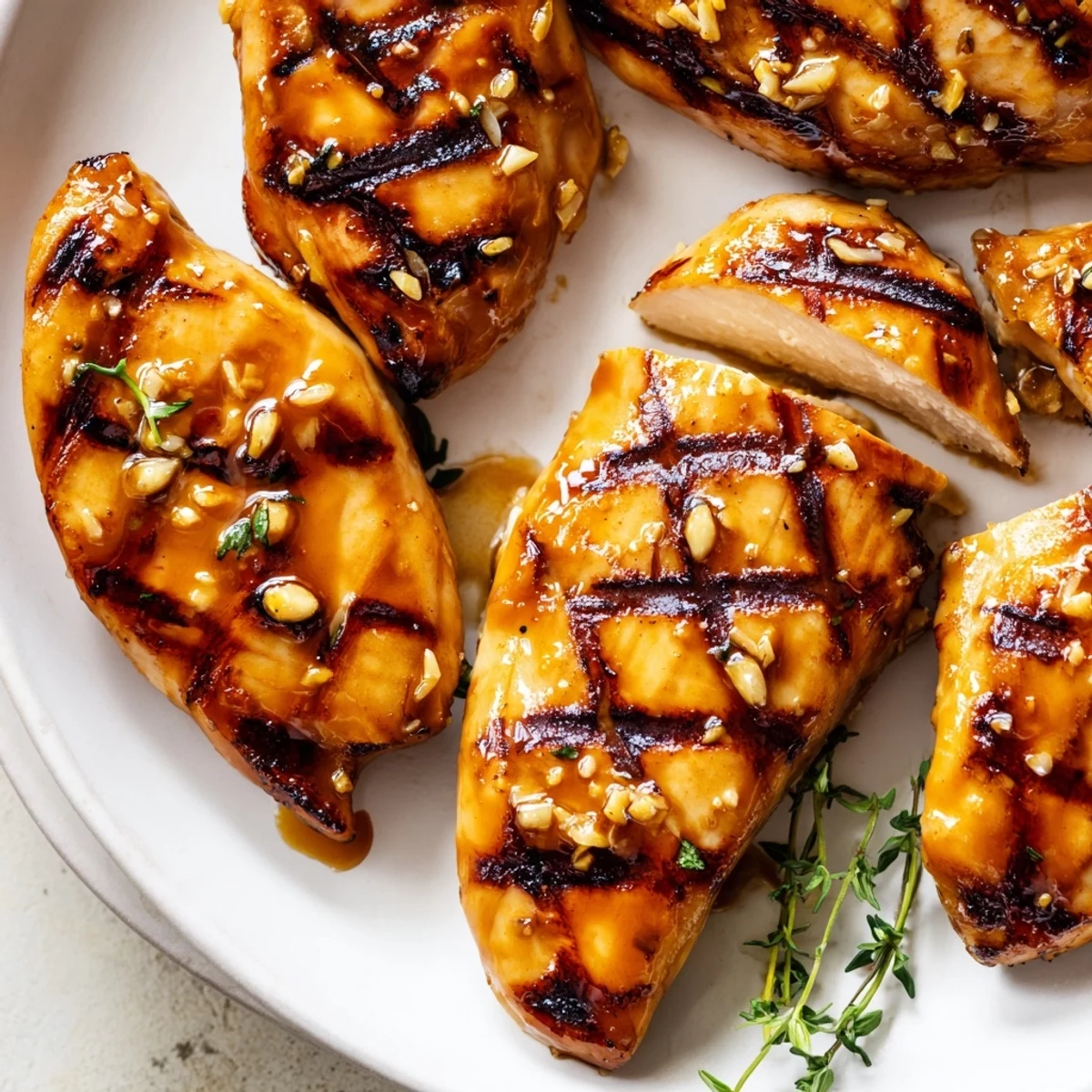
 This maple Dijon grilled chicken brings together the natural sweetness of pure maple syrup with the bold, tangy kick of Dijon mustard. The marinade comes together in just 15 minutes, and after an hour of soaking up all those flavors, the chicken hits the grill for a quick 20-minute cook.
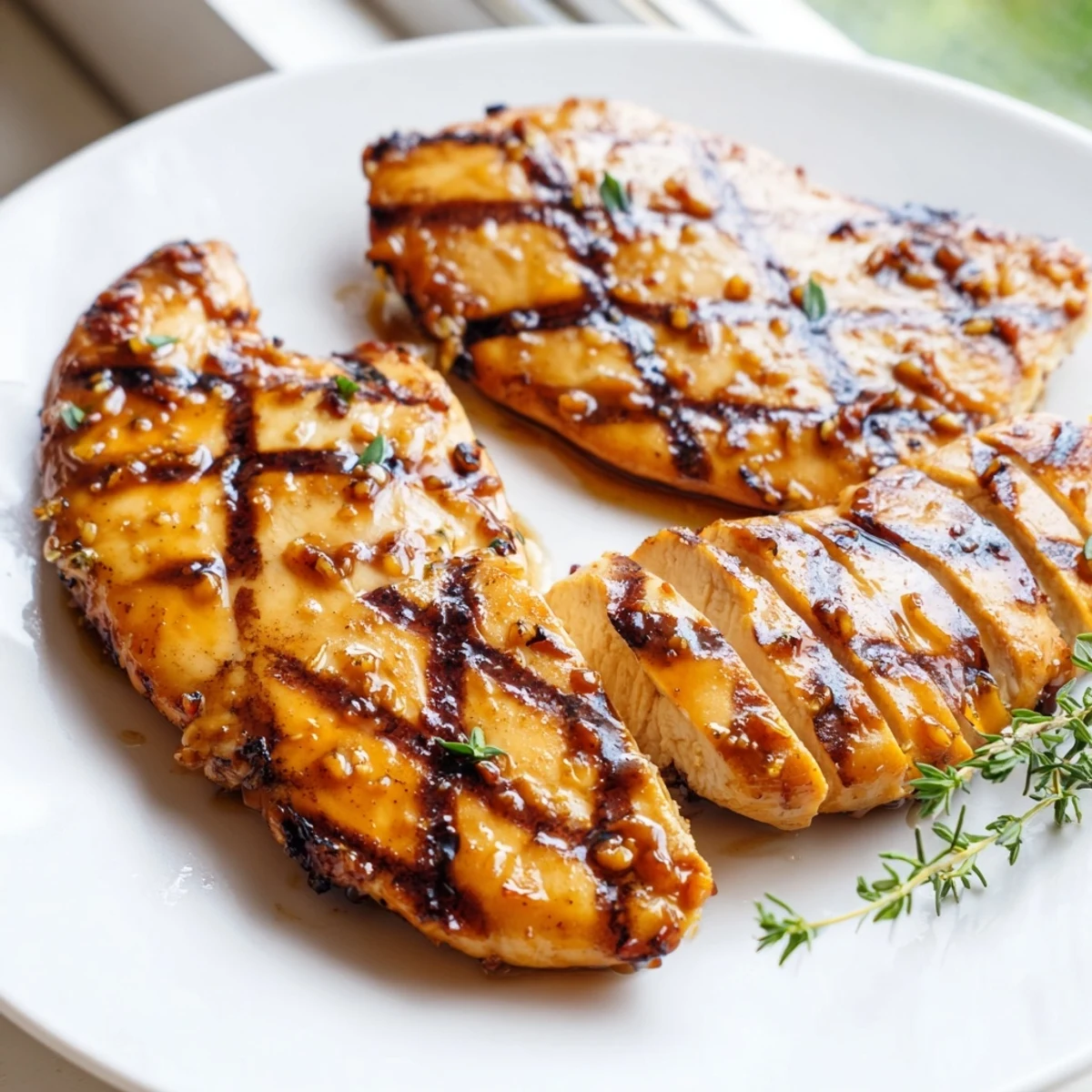
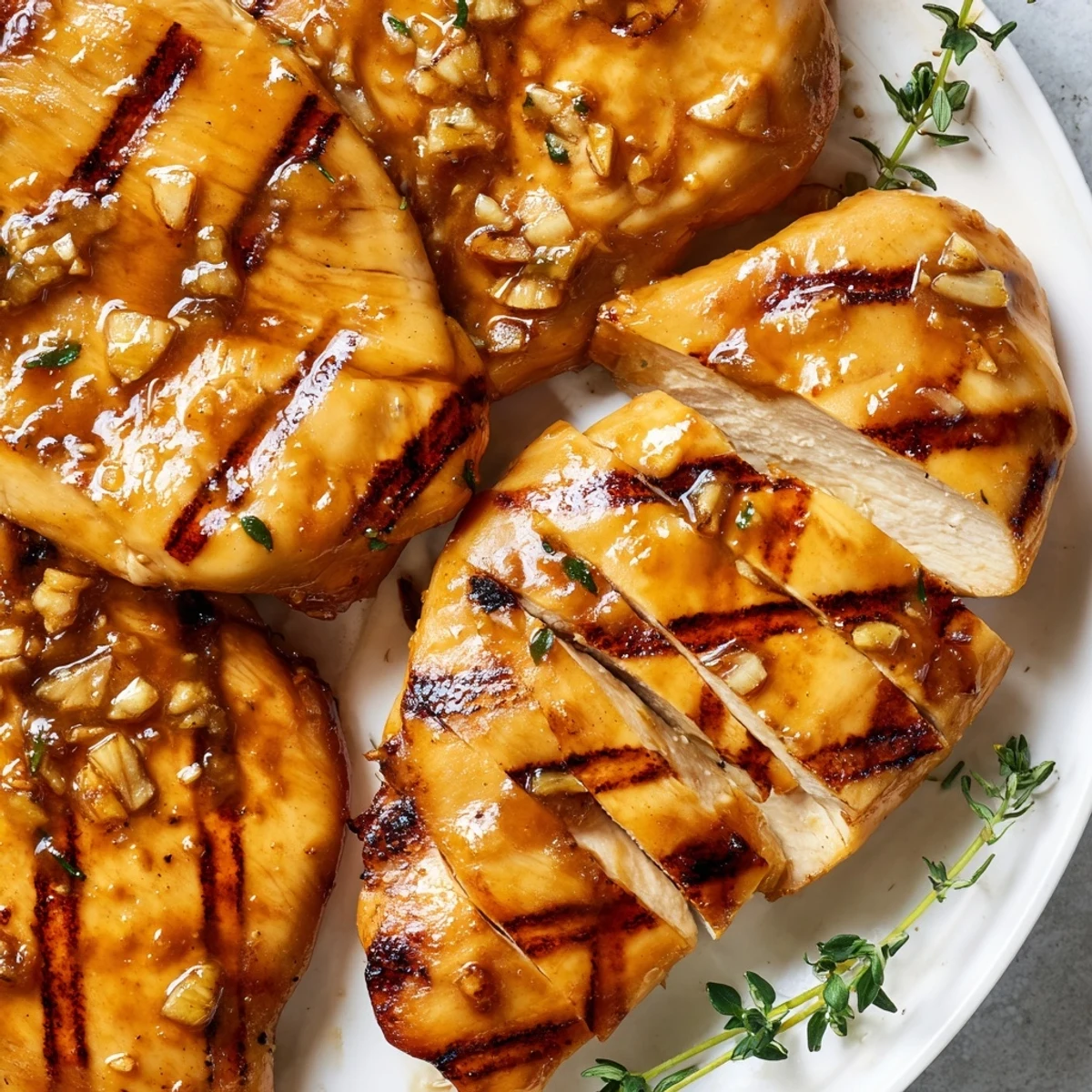
Each boneless breast develops beautiful golden grill marks while staying tender and juicy inside. The glaze caramelizes over medium-high heat, creating a sticky, flavorful crust that pairs wonderfully with grilled vegetables or a fresh salad.
At just 290 calories per serving with 37 grams of protein, it's a wholesome choice that's both gluten-free and dairy-free. Perfect for meal prep or feeding a crowd on a warm evening.
The screen door slammed shut behind me as I carried a plate of sticky, golden chicken out to the picnic table on a July evening that refused to cool down. My neighbor leaned over the fence, pointed with his beer, and asked what smelled like a restaurant. That marinade, maple syrup blooming into something deeply caramelized against the Dijon, had turned ordinary chicken into the kind of thing people remember and ask about weeks later.
I have made this for backyard birthdays, random Tuesday dinners, and once in a rainstorm under a beach umbrella hovering over a camping grill. The chicken always disappears, and someone always asks for the recipe, which is the highest compliment a home cook can receive.
Ingredients
- 4 boneless, skinless chicken breasts: Look for evenly sized pieces so they finish cooking at the same time, and pound any thick ones to an even thickness with a mallet or rolling pin.
- 1/4 cup pure maple syrup: Use real maple syrup, not pancake syrup, because the flavor is entirely different and the real stuff caramelizes beautifully on a hot grill.
- 3 tbsp Dijon mustard: Dijon provides a sharp, sophisticated bite that balances the sweetness of the maple without overpowering it.
- 2 tbsp olive oil: Helps the marinade coat every surface and keeps the chicken from drying out under high heat.
- 2 tbsp apple cider vinegar: Adds a gentle acidity that tenderizes the meat and brightens the whole flavor profile.
- 2 garlic cloves, minced: Fresh garlic matters here, so please skip the jarred version if you can.
- 1 tsp fresh thyme leaves (or 1/2 tsp dried thyme): Thyme brings an earthy, herbaceous note that ties the sweet and sharp elements together.
- 1/2 tsp salt: Essential for drawing the marinade into the meat rather than just sitting on the surface.
- 1/4 tsp freshly ground black pepper: A small amount adds warmth without competing with the glaze.
Instructions
- Whisk the marinade together:
- In a medium bowl, whisk the maple syrup, Dijon mustard, olive oil, apple cider vinegar, garlic, thyme, salt, and pepper until the mixture is smooth and unified. Taste it on your fingertip so you understand what you are building toward.
- Coat the chicken:
- Place the chicken breasts in a large resealable bag or shallow dish and pour the marinade over every piece, massaging it in with your hands to ensure total coverage. Seal the bag, pressing out the air, and refrigerate for at least 1 hour or up to 8 hours for deeper flavor.
- Prepare the grill:
- Preheat your grill to medium high heat and oil the grates lightly using a folded paper towel held with tongs. A properly heated grill gives you those beautiful marks and prevents the glaze from sticking and tearing.
- Grill the chicken:
- Remove the chicken from the marinade, let the excess drip off, and discard what remains. Place each piece on the grill and cook for 6 to 8 minutes per side until the internal temperature reads 74 degrees Celsius and the outside is deeply golden with distinct grill marks.
- Rest and serve:
- Transfer the chicken to a clean plate and let it rest for 5 minutes so the juices redistribute through the meat instead of spilling onto your cutting board. Garnish with fresh thyme sprigs if you have them, then slice and serve.
 Save to Pinterest
 There is a specific kind of quiet that settles over a table when everyone takes their first bite and stops talking. This chicken has earned that silence more times than I can count.
Swapping Cuts and Making It Your Own
Boneless chicken thighs work beautifully here if you prefer darker meat with more forgiving juiciness, though you may need to add a few extra minutes per side depending on their size. I sometimes use this exact marinade on salmon fillets, cooking them skin side down for about four minutes, and the result is stunning.
What to Serve Alongside It
Grilled asparagus, a heap of roasted potatoes, or a peppery arugula salad with lemon vinaigrette all belong on the same plate as this chicken. A chilled Chardonnay or even a light cider makes the whole meal feel intentional without any extra fuss.
A Few Things Worth Remembering
Keep a close eye on the chicken during the final minutes because the sugar in maple syrup can shift from gorgeous caramelization to burnt faster than you expect. Every grill runs differently, so trust your thermometer over any timer.
- If your chicken breasts are very thick, butterfly them or pound them to an even 2 centimeter thickness for uniform cooking.
- Let the meat come to room temperature for about 15 minutes before grilling so it cooks more evenly from edge to center.
- Always slice against the grain when serving, which keeps every bite tender.
 Save to Pinterest
 Some recipes earn a permanent spot in your rotation because they ask almost nothing of you and give back everything. This is one of those, and I hope it finds its way into your kitchen again and again.
Recipe FAQs
- → How long should I marinate the chicken?
-
For the best results, marinate the chicken for at least 1 hour. You can extend the marinating time up to 8 hours in the refrigerator for deeper flavor penetration. Avoid marinating beyond 8 hours, as the acid in the apple cider vinegar can start to break down the meat texture.
- → Can I use chicken thighs instead of breasts?
-
Yes, boneless chicken thighs work beautifully and often yield juicier results due to their higher fat content. Adjust the grilling time slightly, as thighs may need an additional 2–3 minutes per side to reach the safe internal temperature of 74°C (165°F).
- → What's the best grill temperature for this dish?
-
Medium-high heat (around 375–400°F or 190–200°C) is ideal. This temperature allows the maple-Dijon glaze to caramelize without burning while ensuring the chicken cooks through evenly. Always oil the grates before placing the chicken to prevent sticking.
- → Can I make this without an outdoor grill?
-
Absolutely. A grill pan on the stovetop works well and gives similar char marks. You can also use a broiler in your oven — place the chicken on a lined sheet pan about 6 inches from the heat source and broil 6–8 minutes per side, watching carefully to avoid burning the glaze.
- → How do I know when the chicken is fully cooked?
-
The most reliable method is using a meat thermometer inserted into the thickest part of the breast. It should read 74°C (165°F). Visually, the chicken should be golden with distinct grill marks, and the juices should run clear when you cut into it. Always let it rest for 5 minutes before slicing.
- → Is this dish suitable for meal prep?
-
Yes, grilled maple Dijon chicken stores well in an airtight container in the refrigerator for up to 4 days. It reheats gently in the microwave or can be enjoyed cold, sliced over salads, in wraps, or alongside roasted vegetables for a quick lunch.
