
 Save to Pinterest
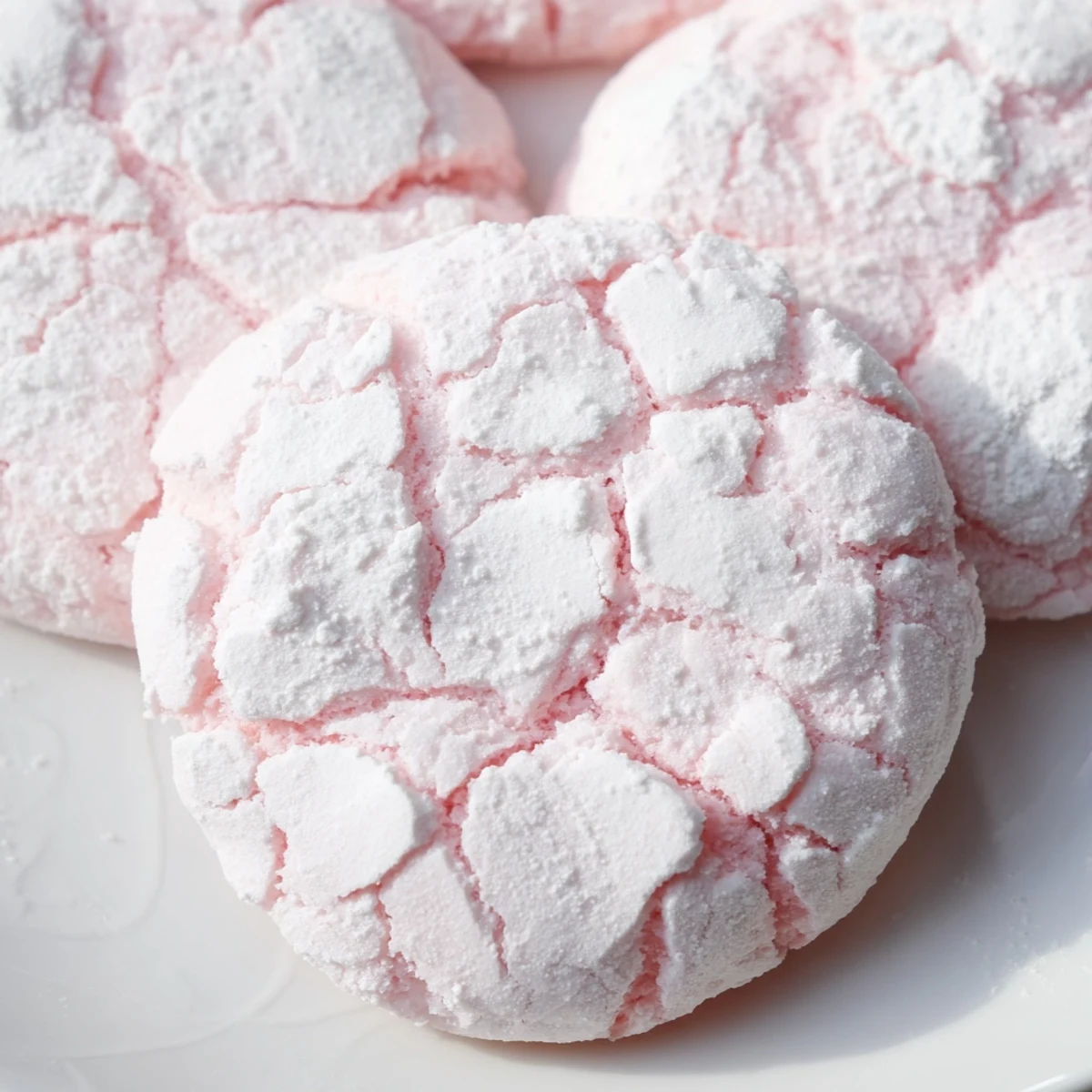
 These soft, chewy treats feature a distinctive crackled appearance from rolling the dough in powdered sugar before baking. The pastel colors come from gel food coloring added to portions of the buttery vanilla dough. Each bite delivers a tender texture with crisp edges and a slightly soft center, all dusted in sweet powdered sugar for a delightful finish.
The first time I made pastel crinkle cookies was actually a complete accident. I had been planning to make regular chocolate crinkle cookies for my daughter's spring birthday party, but she walked into the kitchen and asked if we could make them look like 'Easter eggs in cookie form.' I looked at my gel food coloring collection and thought, why not? Now these soft, powdery cookies with their pastel cracks have become our family's go-to spring celebration treat.
Last spring, my niece helped me make a triple batch for her school bake sale. She was so proud when she came home and told me people were actually fighting over the last pink one. There's something about these cookies that makes people pause and smile before they even take a bite.
Ingredients
- All-purpose flour: The foundation of the cookie structure. Measure properly by spooning into your measuring cup and leveling off for accuracy.
- Baking powder: Gives the cookies their gentle rise. Make sure it's fresh for the best crackle effect.
- Salt: Balances the sweetness and enhances all the flavors.
- Unsalted butter: Softened to room temperature creates the perfect fluffy base. I take it out 30 minutes before baking.
- Granulated sugar: Creams with the butter to create air pockets that make cookies tender.
- Eggs: Room temperature eggs incorporate better and help the dough hold together.
- Vanilla extract: Pure vanilla makes such a difference here. The flavor shines through the sugar coating.
- Whole milk: Adds moisture and helps create that soft, chewy texture we want.
- Gel food coloring: Much better than liquid for vibrant yet controlled colors. A tiny bit goes a long way.
- Powdered sugar: The magical coating that creates the crackled effect as cookies bake.
Instructions
- Preheat your oven and prepare baking sheets:
- Set your oven to 350°F with enough time to fully heat. Line your baking sheets with parchment paper. I learned the hard way that these cookies stick to bare baking sheets, even well-greased ones.
- Whisk the dry ingredients:
- In a medium bowl, combine the flour, baking powder, and salt. Whisking them together ensures everything is evenly distributed. Set this bowl aside while you work on the wet ingredients.
- Cream butter and sugar:
- In a large bowl, beat the softened butter and granulated sugar until the mixture is light and fluffy. This usually takes 2-3 minutes with an electric mixer. The mixture should look pale and almost creamy.
- Add eggs and vanilla:
- Beat in the eggs one at a time, making sure each is fully incorporated before adding the next. Then mix in the vanilla extract. The dough will look glossy and smooth.
- Combine wet and dry ingredients:
- Add the flour mixture to the butter mixture in two parts, alternating with the milk. Mix until just combined. Do not overmix or your cookies could become tough.
- Divide and color the dough:
- Split the dough evenly into 3 or 4 bowls depending on how many colors you want. Add a few drops of gel coloring to each portion and mix gently until you achieve soft pastel shades.
- Chill if needed:
- If your dough feels too soft or sticky, refrigerate it for 20 minutes. This makes rolling so much easier and helps the cookies hold their shape better.
- Roll in powdered sugar:
- Scoop tablespoon-sized balls of dough. Roll each one generously in powdered sugar until completely coated. Place them 2 inches apart on your prepared baking sheets.
- Bake until crackled:
- Bake for 10-12 minutes. The edges should look set while the centers remain soft. The powdered sugar will create beautiful crackles as the cookies spread.
- Cool completely:
- Let the cookies rest on the baking sheet for 5 minutes. They're fragile when warm. Transfer carefully to a wire rack to finish cooling.
 Save to Pinterest
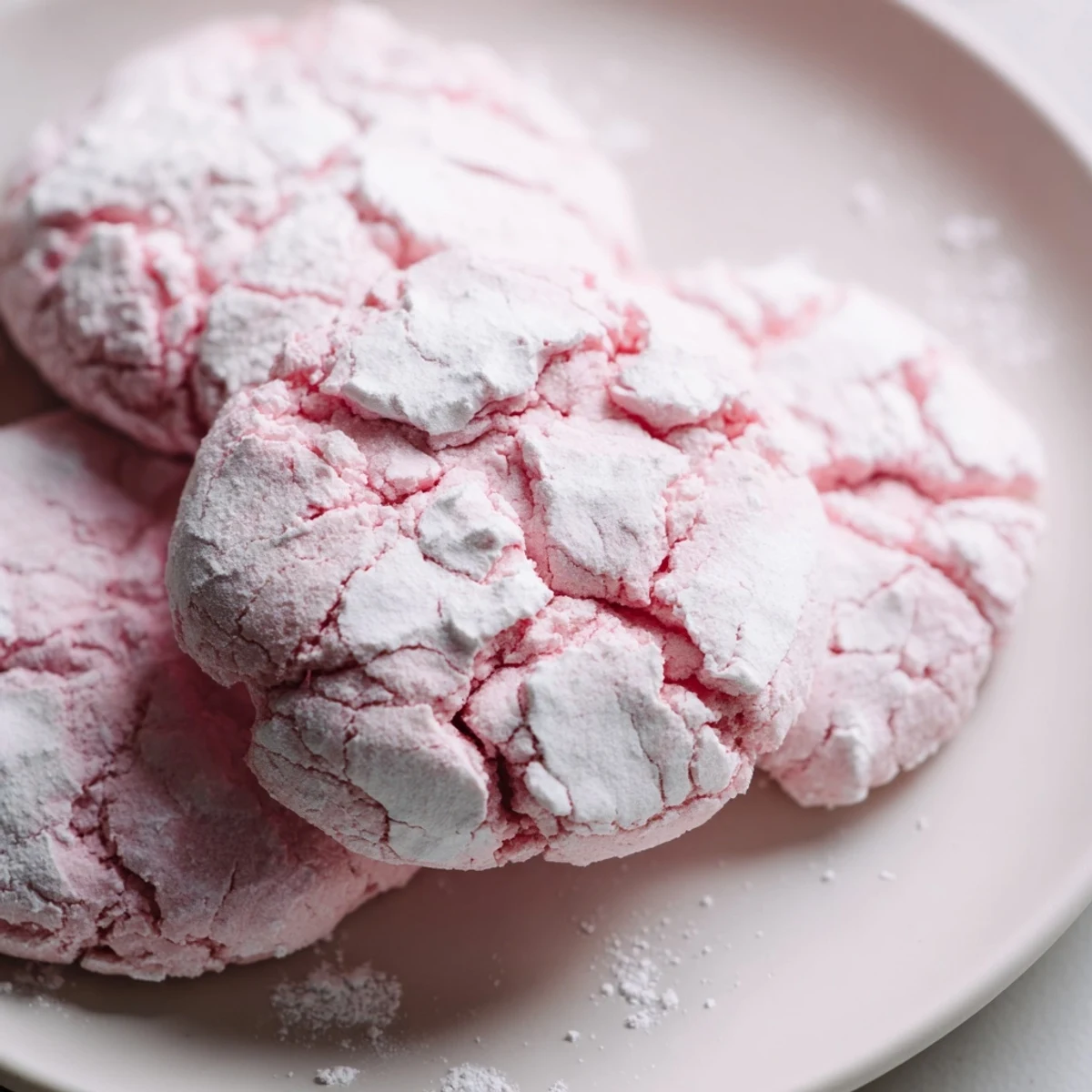
 My grandmother always said the prettiest cookies taste the best, and I think she was right. When I bring these to gatherings, people literally gasp when they see the pastel colors shining through the white sugar cracks. They've become the cookie I'm most proud to serve.
Getting the Perfect Pastel Colors
I've learned that gel food coloring requires such a light hand. Start with literally one drop and mix thoroughly before deciding whether to add more. You can always add more, but you cannot take it back. The goal is soft, dreamy colors that look like spring flowers or cotton candy sunsets.
Making These Ahead
The cookie dough actually freezes beautifully. I often make a double batch, color it, roll the balls in powdered sugar, and freeze them on a baking sheet before transferring to a storage bag. Bake from frozen, adding just 1-2 minutes to the baking time. Fresh baked cookies in minutes without any extra mess.
Serving and Storing
These cookies are at their absolute best the same day they're baked, when the crackles are fresh and the powdered sugar is pristine. But they stay soft and chewy for 4-5 days if stored properly. Layer them between wax paper in an airtight container so the powdered sugar doesn't get smudged.
- Bring cookies to room temperature before serving for the softest texture.
- Refresh day-old cookies with 10 seconds in the microwave.
- Package them in clear bags with pastel ribbon for effortless gifting.
 Save to Pinterest
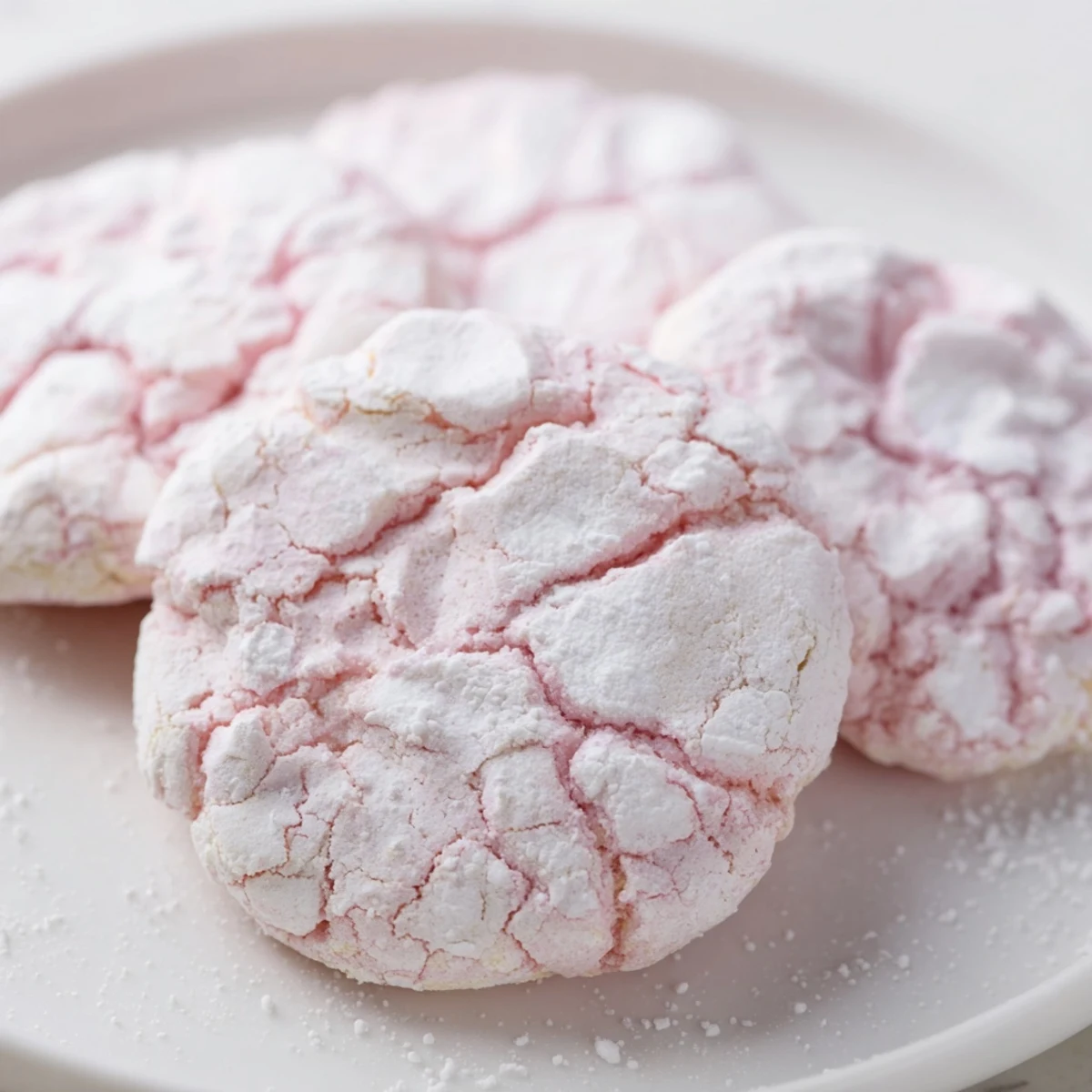
 Every time I pull a sheet of these from the oven, I'm still delighted by how they transform. Simple ingredients become something almost magical in the oven.
Recipe FAQs
- → Why do these cookies crackle?
-
The crackled effect occurs because the powdered sugar coating creates a barrier. As the dough bakes and expands, it breaks through this sugar layer, forming those signature crinkles on top.
- → Can I use liquid food coloring instead of gel?
-
Liquid coloring will work but may make the dough sticky. Use minimal amounts and add extra flour if needed. Gel coloring provides more vibrant shades without altering consistency.
- → How do I store these cookies?
-
Keep them in an airtight container at room temperature for up to 5 days. Place parchment paper between layers to prevent the powdered sugar coating from rubbing off.
- → Can I freeze the dough?
-
Yes, freeze scooped dough balls on a baking sheet until firm, then transfer to a freezer bag for up to 3 months. Roll in powdered sugar just before baking.
- → Why chill the dough before baking?
-
Chilling for 20 minutes helps the dough hold its shape better during baking and prevents excessive spreading, ensuring thicker, softer cookies.
