
 Save to Pinterest
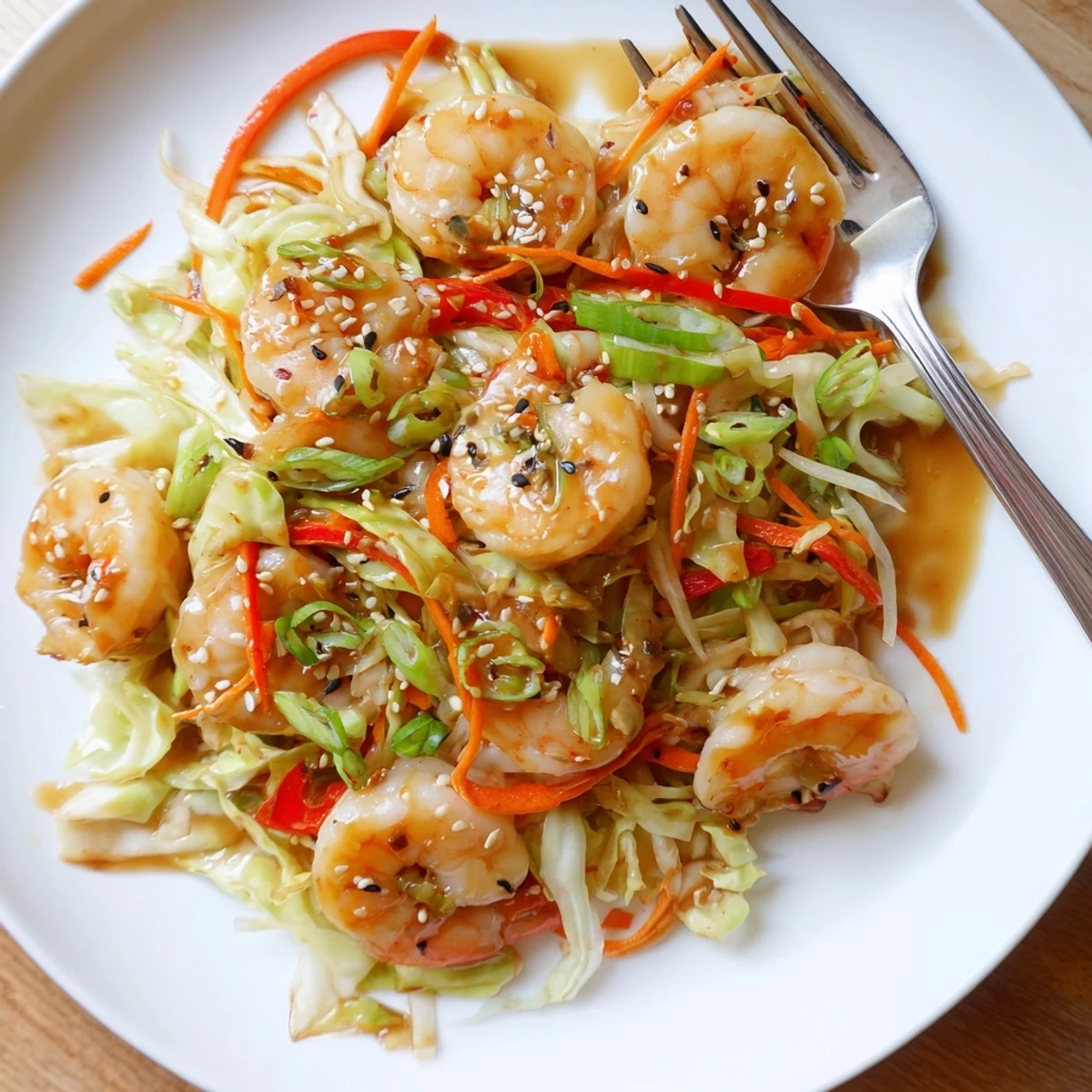
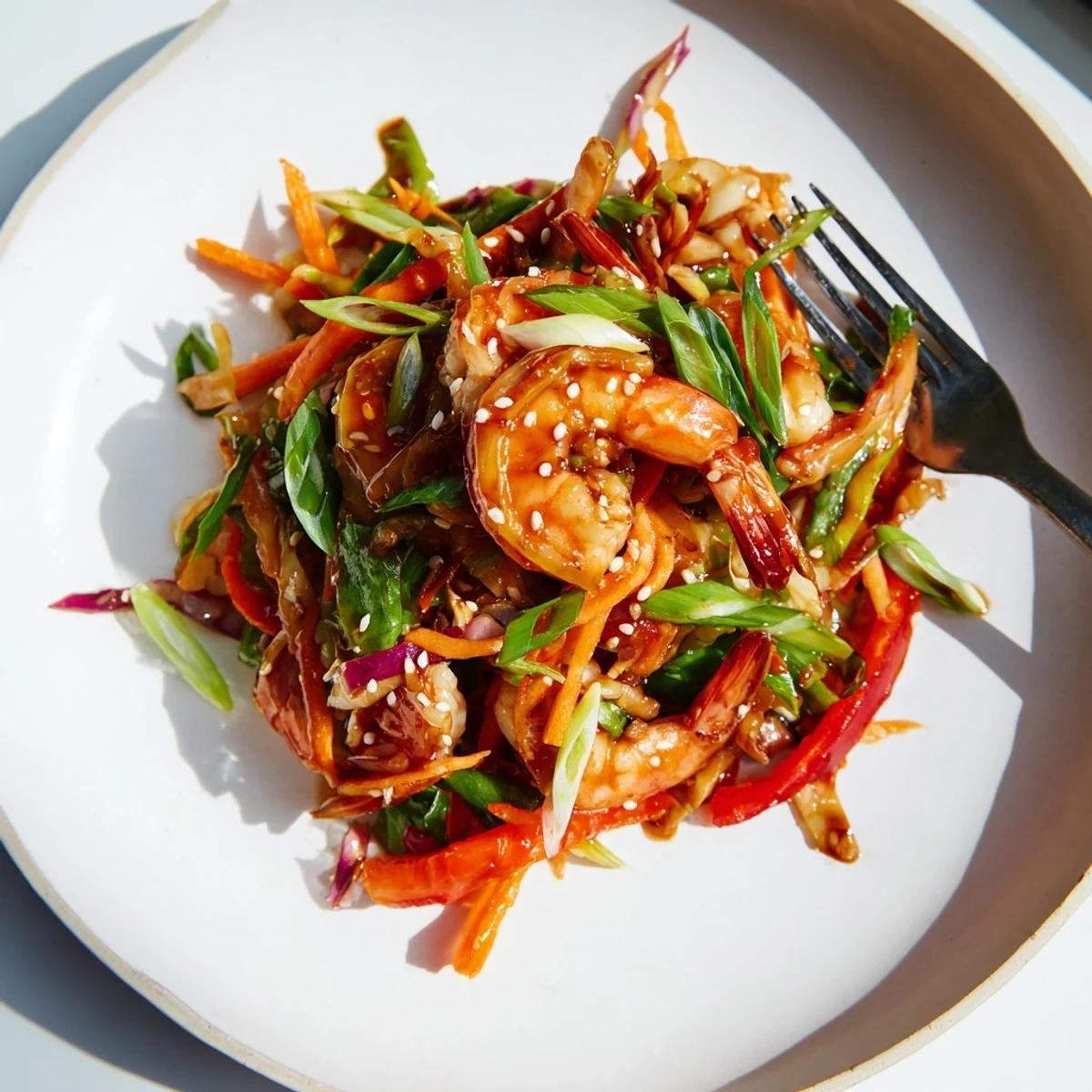
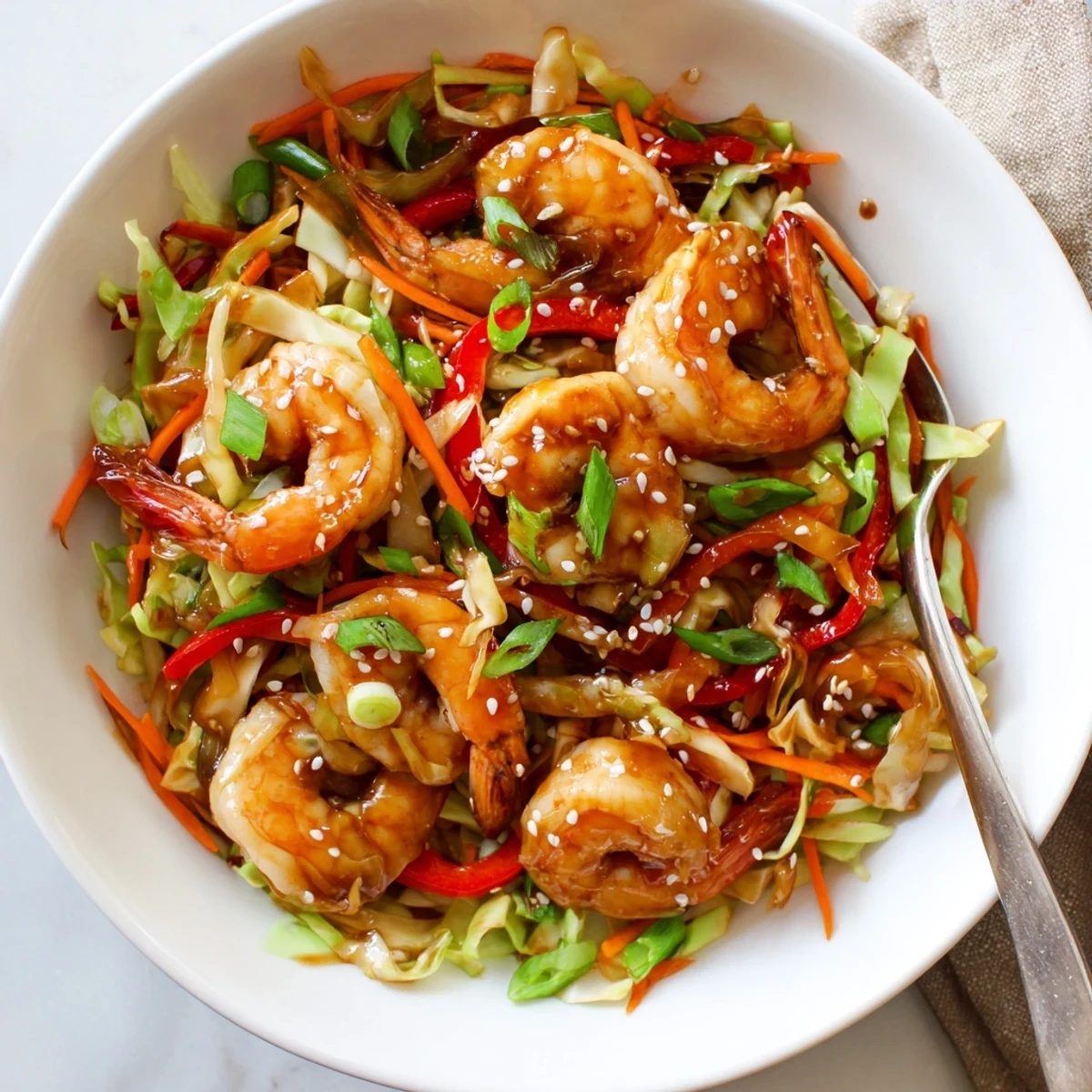
 Ready in 25 minutes, this vibrant stir fry pairs quickly seared shrimp with thinly sliced cabbage, bell pepper and carrot. Whisk soy, oyster, rice vinegar, sesame oil and a touch of honey for the sauce. Sear shrimp until just pink, remove, then wok-fry garlic, ginger and vegetables until crisp-tender. Return shrimp, toss with sauce and finish with green onions and toasted sesame. Swap proteins or add snap peas for variety; use tamari for gluten-free.
The sizzle of shrimp hitting a screaming hot wok is one of those sounds that instantly pulls everyone into the kitchen, and this stir fry earns that reaction every single time. My neighbor once wandered over thinking I was ordering takeout, only to find me elbow deep in cabbage and fresh ginger with sauce splattered on my favorite apron. It became our standing Wednesday night tradition after that.
I started making this when my daughter decided she hated cabbage, a bold declaration from someone who had only ever eaten it boiled into submission. Thinly sliced and flash cooked in that savory sauce, she polished off two bowls and never mentioned her cabbage boycott again. Sometimes transformation is just a matter of meeting an ingredient where it wants to be met.
Ingredients
- 1 lb large shrimp, peeled and deveined: Size matters here because large shrimp stay juicy and tender through the quick cook, so avoid the tiny ones that turn rubbery.
- 4 cups green cabbage, thinly sliced: Slice it as thin as you can manage because the thinner the shreds, the more they soak up that sauce while keeping their crunch.
- 1 medium carrot, julienned: Cut them into matchsticks rather than grating, since grated carrot turns mushy the second it hits heat.
- 1 red bell pepper, thinly sliced: The color is not just for looks because it adds a subtle sweetness that balances the salty depth of soy sauce.
- 3 green onions, sliced: Save these for the very end because their delicate bite gets lost if you cook them too long.
- 2 cloves garlic, minced: Fresh is nonnegotiable here since the jarred stuff lacks the sharp punch that makes stir fry sauce taste alive.
- 1 inch fresh ginger, grated: Use a microplane and grate it directly into the pan so none of those spicy aromatic oils escape.
- 3 tbsp soy sauce or tamari: Tamari keeps this gluten free and actually has a richer, rounder flavor than standard soy sauce.
- 1 tbsp oyster sauce: This is the secret weapon that gives the sauce its velvety body and deep umami character.
- 1 tbsp rice vinegar: A splash of acidity that brightens everything and cuts through the richness of the sesame oil.
- 2 tsp sesame oil: A little goes a long way and it should be added to the sauce, not used for frying, because it burns easily.
- 1 tsp honey or brown sugar: Just enough sweetness to round the edges off the salty and sour notes without making anything taste candied.
- Quarter tsp crushed red pepper flakes: Optional but I always add them because the gentle warmth they bring makes every bite more interesting.
- 2 tbsp vegetable oil: Use a neutral oil with a high smoke point since canola or avocado oil lets the other flavors shine without burning.
- Toasted sesame seeds and fresh cilantro for garnish: These are not garnish fluff because the sesame seeds add toasty crunch and cilantro brings a fresh finish that pulls everything together.
Instructions
- Mix your sauce first:
- Whisk together the soy sauce, oyster sauce, rice vinegar, sesame oil, honey, and red pepper flakes in a small bowl until the honey dissolves completely. Set it within arms reach of the stove because once you start cooking, everything moves fast.
- Sear the shrimp:
- Heat one tablespoon of oil in your wok or large skillet over medium high heat until it shimmers, then add the shrimp in a single layer without crowding. Cook for two to three minutes, flipping once, until they are pink and curled but still have a slight give when pressed, then pull them out immediately onto a plate.
- Wake up the aromatics:
- Add the remaining tablespoon of oil to the same pan, then toss in the garlic and ginger, stirring constantly for about thirty seconds until your kitchen smells incredible and you can feel the fragrance in your sinuses.
- Stir fry the vegetables:
- Add the cabbage, carrot, and bell pepper all at once and toss them vigorously for three to four minutes. You want the cabbage slightly wilted but still bright green with plenty of snap left in every bite.
- Bring it all together:
- Slide the shrimp back into the pan, pour the sauce over everything, and toss aggressively so every strand of cabbage gets coated. Keep it moving for one to two minutes until the sauce thickens slightly and clings to the shrimp and vegetables in a glossy sheen.
- Finish and serve:
- Kill the heat, scatter the green onions, sesame seeds, and cilantro over the top, and serve straight from the pan while everything is still piping hot and the aroma fills the room.
 Save to Pinterest
 The night my father in law asked for seconds of a cabbage dish is the night I knew this recipe had real power. He grew up on a farm eating cabbage prepared every way imaginable and had sworn off it decades ago. Watching him go back for thirds while telling stories about his mothers kitchen is a memory I hold onto every time I slice into a fresh head.
Getting the Most Out of Your Wok
A well seasoned carbon steel wok is worth its weight in gold for a recipe like this, but a large flat bottomed skillet works beautifully if that is what you have. The key is giving the pan enough time to get genuinely hot before anything goes in, because that intense sear is what creates those slightly charred crispy edges on the cabbage that make the dish irresistible. If your stove has a weak burner, do not be afraid to cook the vegetables in two batches so nothing steams instead of frying.
Making It Your Own
This recipe is more of a framework than a rigid set of rules, and some of my best versions came from raiding the crisper drawer on Friday night. Snap peas, broccoli florets, and sliced mushrooms all belong here, and you can swap the shrimp for thinly sliced chicken breast or cubes of extra firm tofu pressed dry and given a quick crust in the pan.
Serving Suggestions That Actually Work
Serve this over steamed jasmine rice if you want the full comforting experience, or over cauliflower rice if you are keeping things low carb and want to feel virtuous without sacrificing flavor. The sauce pools beautifully at the bottom of a rice bowl and soaks down into every grain.
- A drizzle of sriracha over individual bowls lets each person control their own heat level.
- Crispy wonton strips scattered on top add a satisfying crunch that contrasts with the tender shrimp.
- Leftovers reheat perfectly in a hot skillet the next day and honestly might taste even better.
 Save to Pinterest
 Keep this one close because it will save you on more nights than you can count. Great food does not have to be complicated, it just has to be made with care and a really good sauce.
Recipe FAQs
- → How do I prevent shrimp from overcooking?
-
Sear shrimp briefly over medium-high heat, about 2–3 minutes, until just pink and slightly translucent. Remove them from the pan while you finish the vegetables; they’ll finish cooking when returned to the wok.
- → Can I use frozen shrimp?
-
Yes—thaw completely in the refrigerator or under cold running water, then pat very dry to avoid steaming. Dry shrimp sear better and develop nicer color.
- → How can I keep the cabbage crisp and not soggy?
-
Slice cabbage thinly and stir-fry over high heat in a hot wok without overcrowding. Cook just until tender-crisp and avoid adding too much liquid early on.
- → What makes this gluten-free?
-
Substitute tamari for regular soy sauce and choose a gluten-free oyster sauce or omit it. Always check labels for hidden wheat and cross-contamination warnings.
- → What should I serve alongside this dish?
-
Serve with steamed rice, cauliflower rice for a lower-carb option, or soba made from buckwheat. A simple cucumber salad or quick pickles provide a bright contrast.
- → Can I substitute other proteins or vegetables?
-
Yes—thinly sliced chicken or firm tofu work well; adjust cooking time accordingly. Add mushrooms, snap peas or broccoli for more texture and color.
