
 Save to Pinterest
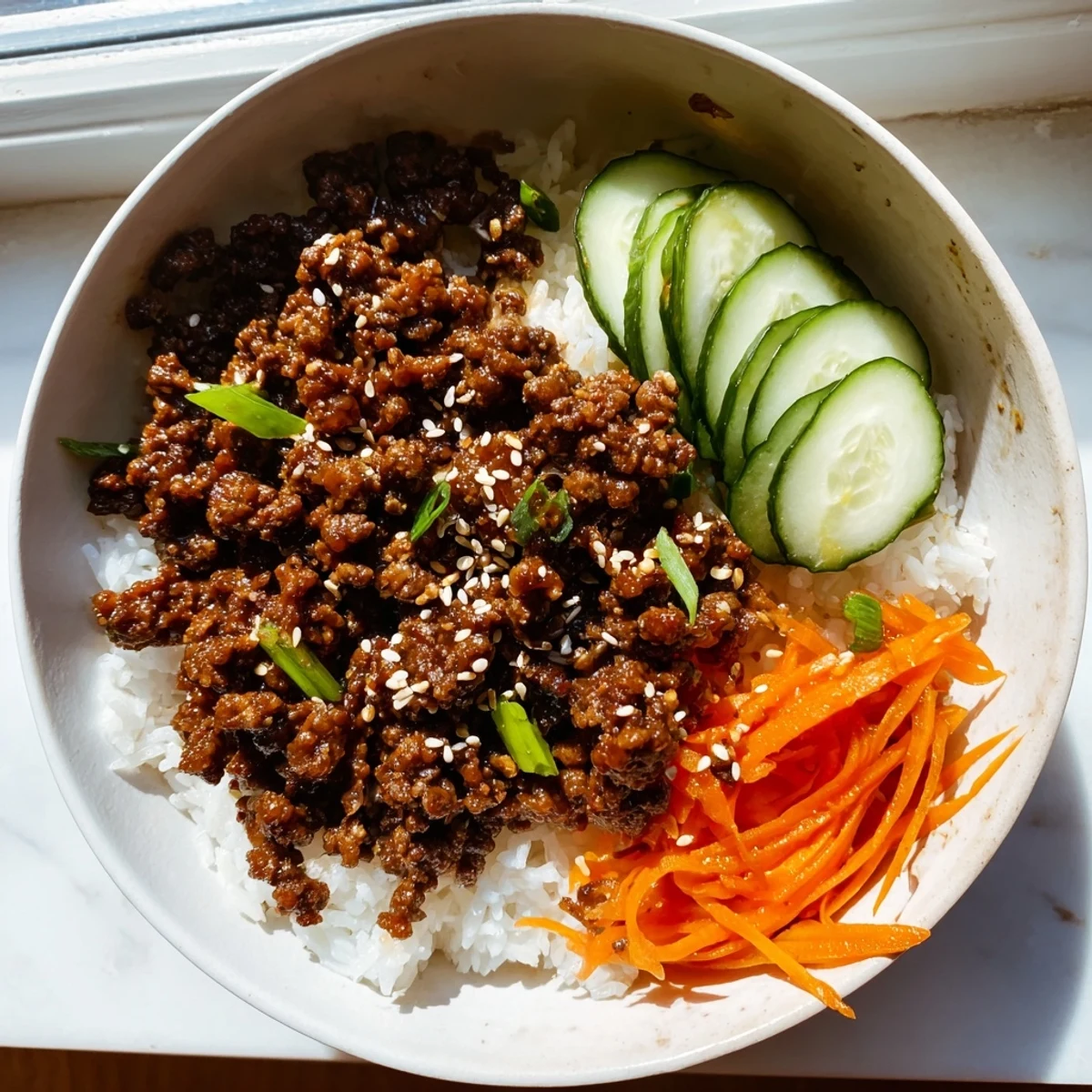
 These satisfying bowls deliver restaurant-quality Korean flavors in just 25 minutes. Lean ground beef gets coated in a savory-sweet sauce made with soy sauce, brown sugar, garlic, ginger, and gochujang—that Korean chili paste that brings gentle heat and depth. The beef cooks quickly in one skillet while rice steams, making this ideal for weeknight dinners when you want something nourishing but don't want to spend hours in the kitchen.
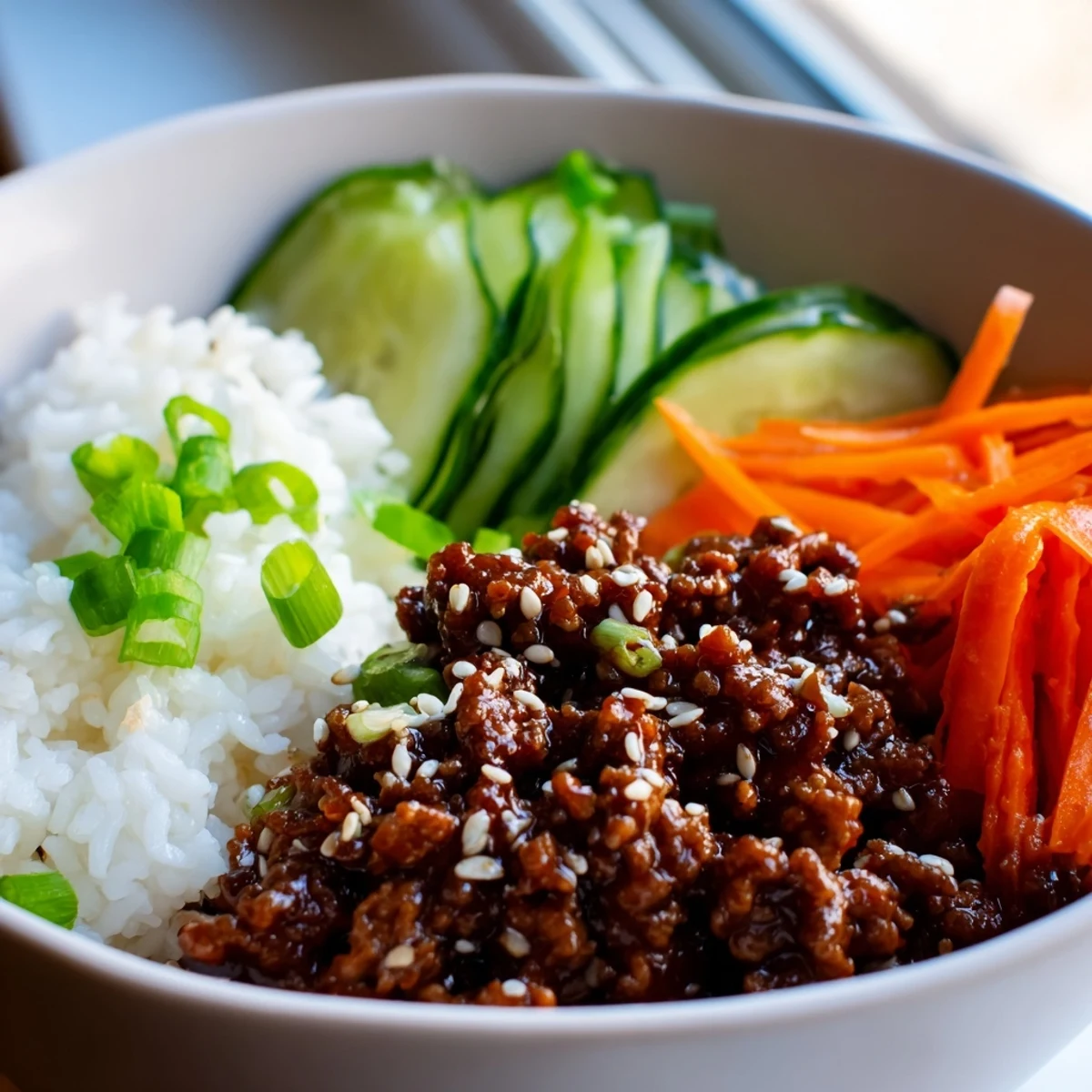
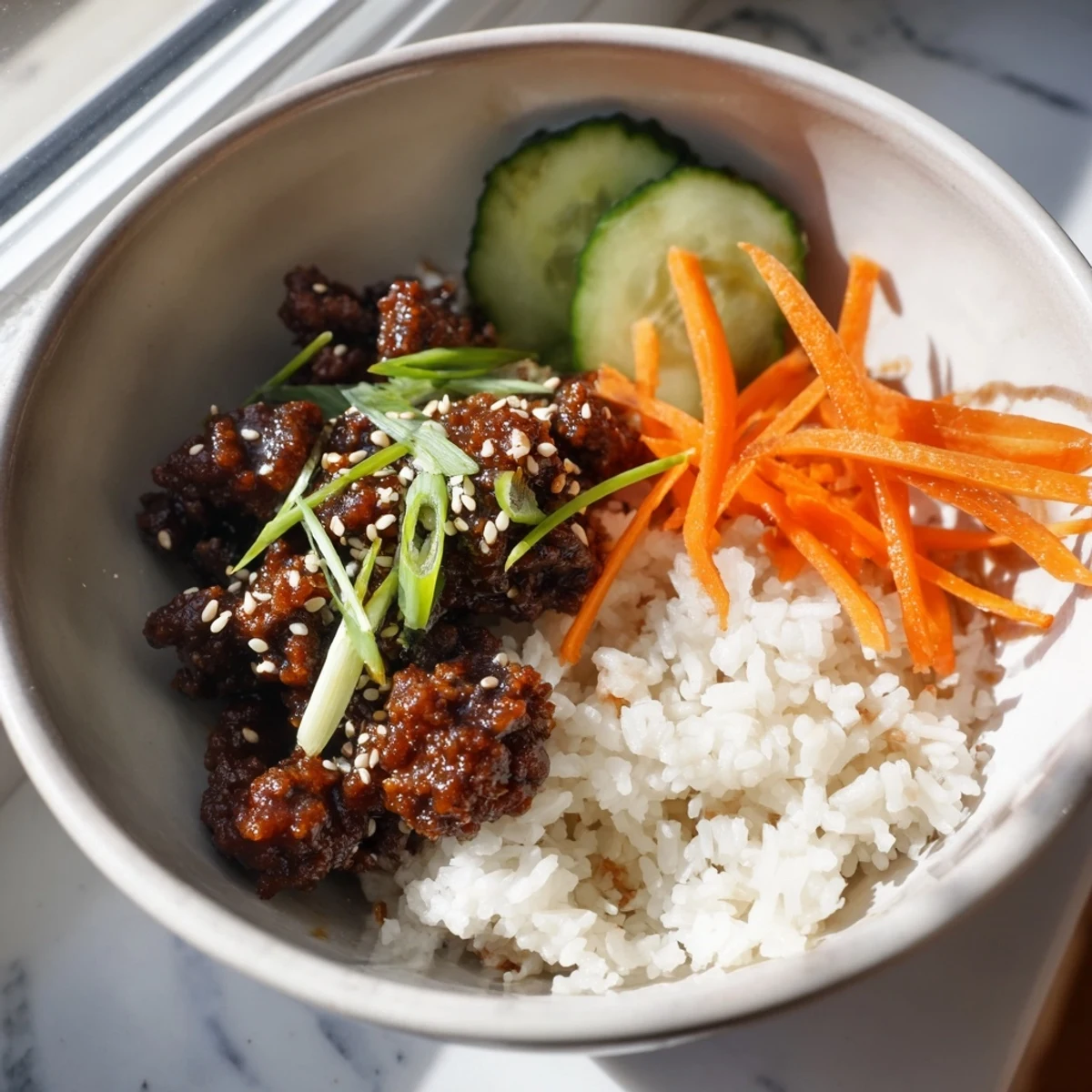
What makes these bowls special is the contrast of textures and temperatures. Warm, fluffy jasmine rice provides the base, topped with hot, saucy beef and cool, crisp vegetables like julienned carrots and thin cucumber slices. Toasted sesame seeds add nuttiness, while fresh scallions bring mild onion flavor. The optional kimchi and cilantro let you customize each bowl to your taste.
This versatile dish accommodates different dietary needs—swap tamari for soy sauce to make it gluten-free, or use ground turkey, chicken, or tofu instead of beef. The sauce balances salty, sweet, and tangy notes that appeal to both kids and adults. Plus, everything comes together in one pan except the rice, meaning minimal cleanup after dinner.
Weeknight deadlines were looming when my neighbor texted about her mother visiting from Seoul and bringing dinner. That Korean beef bowl changed my relationship with fast cooking forever sweet and savory and somehow finished in under thirty minutes.
My roommate walked in while I was browning the beef and the smell of garlic and ginger hit her at the door. She cancelled her dinner plans and we ate standing up at the counter because neither of us wanted to wait for proper plates.
Ingredients
- 500 g lean ground beef: Ground beef absorbs the bold Korean sauce beautifully while staying tender and juicy
- 60 ml low sodium soy sauce: Low sodium lets you control the saltiness without losing that essential umami depth
- 2 tbsp light brown sugar: The molasses notes balance the salty elements and create that gorgeous caramelized finish
- 1 tbsp sesame oil: Toasted sesame oil is non negotiable here it provides the signature Korean aroma
- 4 garlic cloves minced: Fresh garlic beats pre minced every time especially when it hits the hot beef
- 1 tbsp freshly grated ginger: Grating releases more flavor than chopping and blends seamlessly into the sauce
- 1 tbsp gochujang: This fermented chili paste adds subtle heat and incredible depth that red pepper flakes cannot replicate
- 2 tsp rice vinegar: Just enough brightness to cut through the rich beef and sweet sugar
- 300 g jasmine rice: Jasmine or short grain rice has the perfect sticky texture to soak up all that sauce
- 2 medium carrots julienned: Fresh carrots add essential crunch and color contrast against the rich beef
- 1 small cucumber thinly sliced: Cool cucumber balances the warm spicy beef like nobody is business
- 4 scallions thinly sliced: Both white and green parts work here bringing mild onion flavor and fresh color
Instructions
- Get your rice going first:
- Rinse the jasmine rice under cold water until it runs clear then combine with 480 ml water in a saucepan. Bring it to a boil then immediately reduce to low cover tightly and let simmer for 12 to 15 minutes until all water is absorbed.
- Whisk up the magic sauce:
- In a small bowl combine the soy sauce brown sugar sesame oil minced garlic grated ginger gochujang and rice vinegar. Whisk until the sugar completely dissolves and the mixture turns a deep reddish brown.
- Brown the beef properly:
- Heat a large skillet over medium high heat and add the ground beef breaking it up with your spatula. Cook for about 5 minutes until completely browned then drain off excess fat if you want something lighter.
- Let the sauce work its magic:
- Pour that beautiful sauce over the browned beef and stir constantly for 2 to 3 minutes. The sauce will bubble and thicken coating every crumble of beef in a glossy sticky glaze that smells incredible.
- Build the perfect bowl:
- Fluff your cooked rice with a fork and divide it among four bowls. Top each portion generously with the saucy beef then arrange the carrots cucumber scallions and sesame seeds on top.
- Finish and serve immediately:
- Add kimchi or fresh cilantro if you have them on hand and serve while everything is still warm. The contrast between hot beef cool vegetables and fluffy rice is what makes this dish sing.
 Save to Pinterest
 This recipe became my go to for new parents and anyone recovering from surgery because it reheats beautifully and tastes like comfort. Something about sweet and savory beef over rice just feels like a hug in a bowl.
Making It Your Way
Tamari swaps perfectly for soy sauce if you need this gluten free just watch the gochujang label since some brands contain wheat. Ground chicken or even crumbled tofu work surprisingly well as lighter alternatives.
Vegetable Prep Matters
I learned the hard way that thick carrot slices make eating awkward. Matchstick thin julienne cuts are worth the extra knife work because they complement the beef texture instead of fighting against it.
Rice Secrets
That rice rinse step actually matters and removes excess starch for fluffier results. Short grain rice gives you that authentic sticky bowl experience while jasmine stays a bit more separate and light.
- Leftover rice from takeout works brilliantly here
- Make extra sauce and store it in the fridge for quick weeknight meals
- Fried eggs on top turn this into breakfast the next morning
 Save to Pinterest
 There is something deeply satisfying about a meal that comes together this fast yet tastes like you spent all day cooking it.
Recipe FAQs
- → Can I make these beef bowls ahead of time?
-
Yes, the seasoned beef reheats beautifully. Store it separately from the rice and vegetables, then warm gently in a skillet or microwave. The vegetables are best sliced fresh to maintain their crunch.
- → What can I substitute for gochujang?
-
Sriracha works as a substitute, though it lacks the fermented depth of gochujang. For a similar flavor profile, mix red pepper flakes with a small amount of miso paste and a touch of tomato paste.
- → Is this dish spicy?
-
The spice level is mild to medium with the suggested amount of gochujang. You can easily adjust by using less gochujang or omitting the optional red pepper flakes for a milder version that's still full of flavor.
- → Can I use brown rice instead of white?
-
Absolutely. Brown rice adds nutty flavor and extra fiber, though it will take longer to cook—about 40-45 minutes. You can also use pre-cooked brown rice or quinoa for a quicker weeknight option.
- → What other toppings work well?
-
Fried eggs, pickled radishes, sautéed spinach, bean sprouts, or avocado all make excellent additions. The bowls are quite adaptable, so feel free to use whatever fresh vegetables you have on hand.
- → How do I store leftovers?
-
Keep each component separate in airtight containers in the refrigerator. The beef will stay fresh for 3-4 days. Reassemble bowls when ready to eat, adding fresh vegetables just before serving.
