
 Save to Pinterest
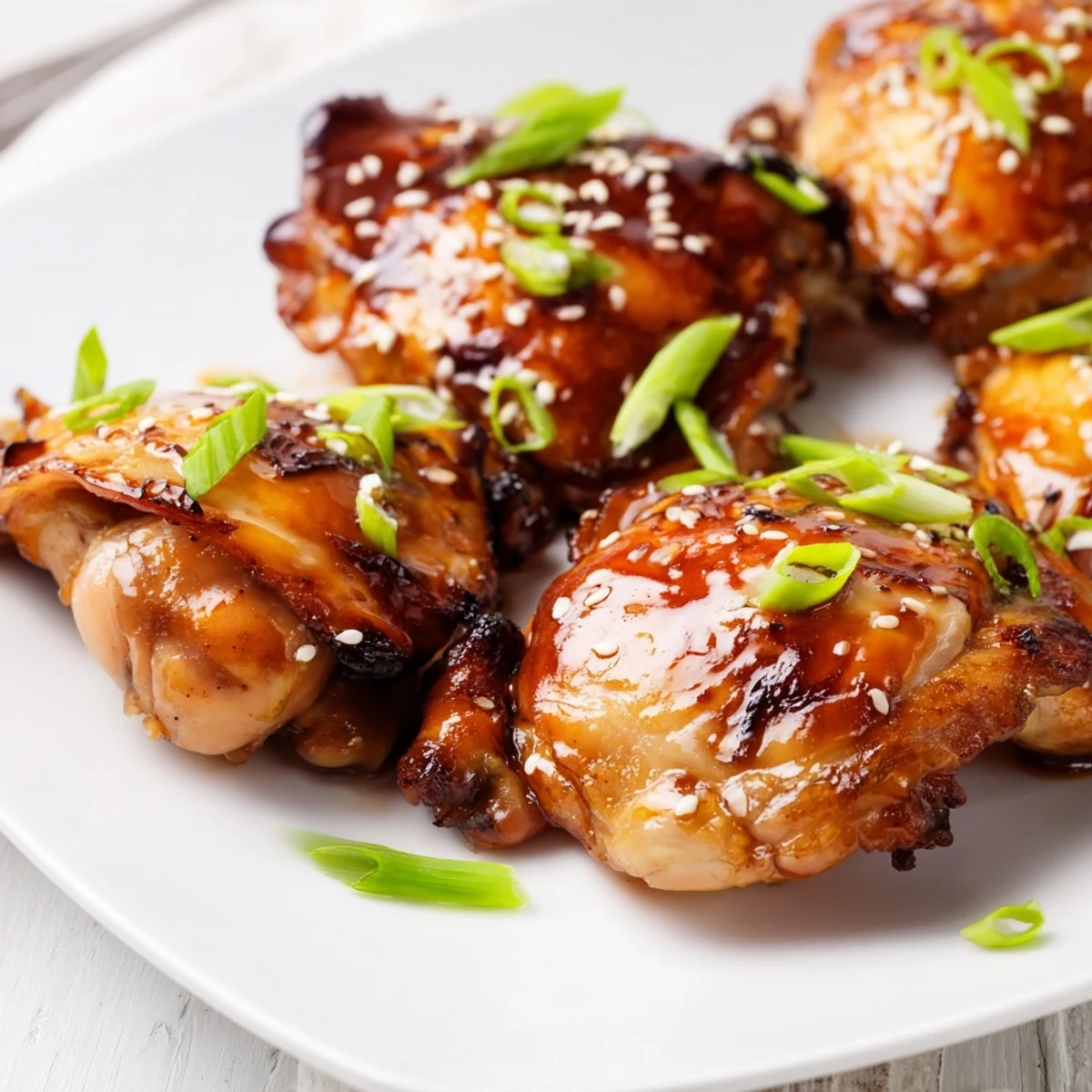
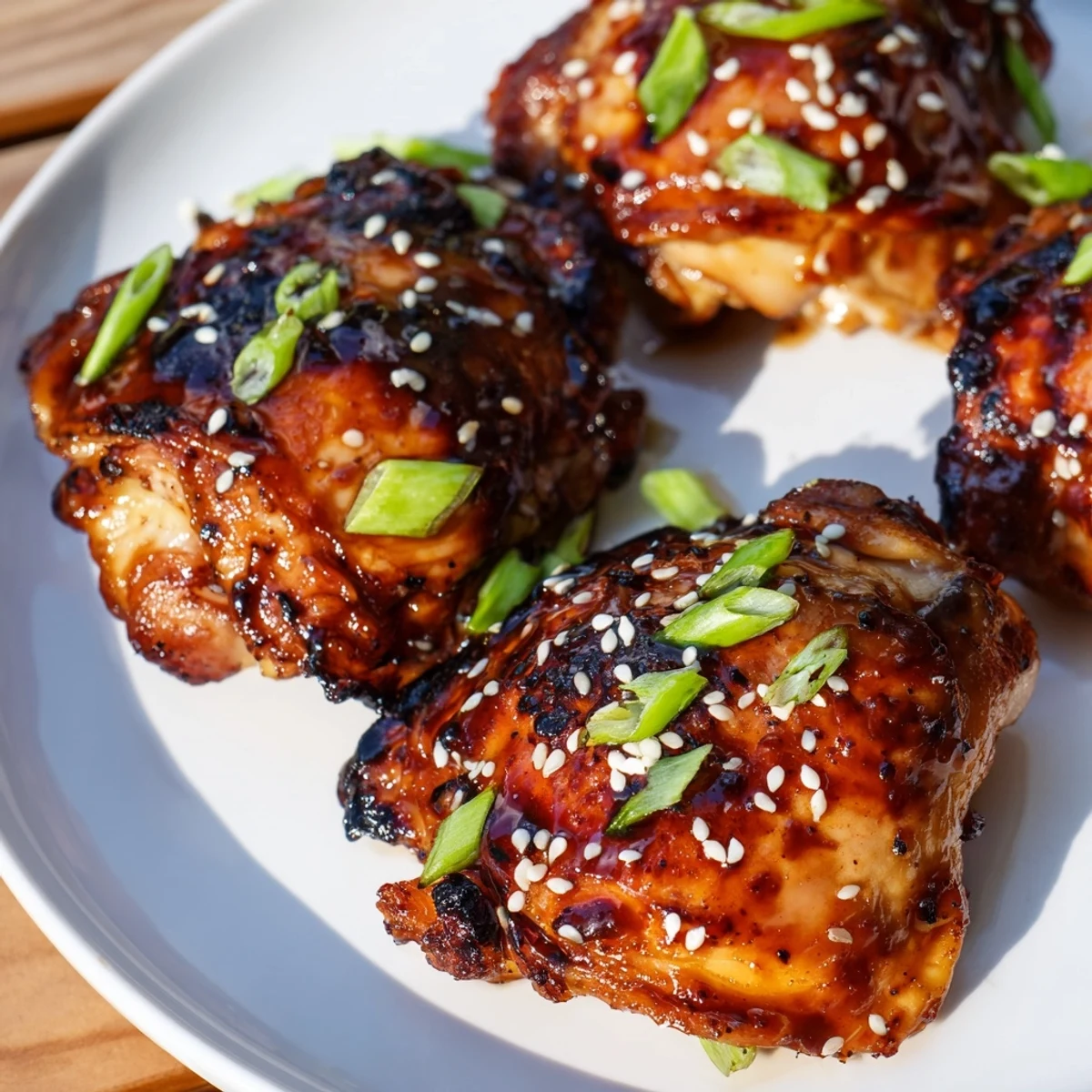
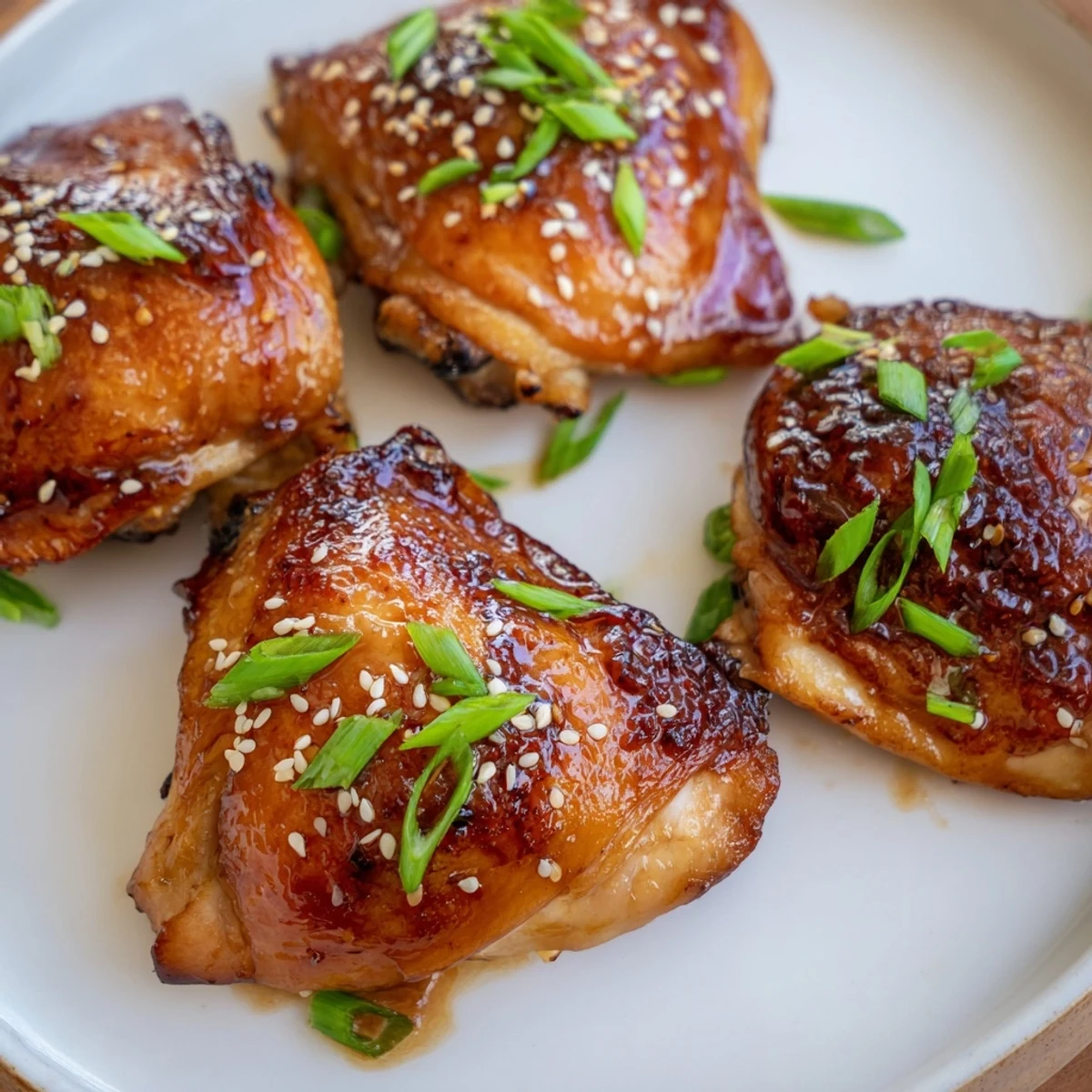
 Succulent bone-in chicken thighs marinated in a rich homemade teriyaki blend of soy sauce, mirin, honey, and fresh aromatics. The oven-roasting method creates beautifully caramelized skin while keeping the meat incredibly juicy. Basting during roasting builds layers of flavor, resulting in that glossy restaurant-quality glaze. Perfect served over steamed rice with sesame seeds and green onions for an authentic Japanese-inspired meal.
The sizzle of chicken skin hitting a hot baking tray is one of those sounds that pulls everyone into the kitchen before you even announce dinner is ready. I stumbled upon this teriyaki chicken thigh method during a rainy Tuesday when the only protein defrosted was a pack of bone in thighs I had almost forgotten about. That evening changed my weeknight dinner game forever. The glaze caramelized into something so lacquered and gorgeous that my partner asked if I had ordered takeout.
I once made this for a small dinner party where a friend who never eats chicken skin went back for seconds, skin and all, which told me everything I needed to know about this recipe.
Ingredients
- Bone in skin on chicken thighs: Eight pieces totaling roughly one and a half kilograms give you four generous servings with the bone imparting deep flavor during roasting.
- Soy sauce: A third of a cup builds the salty umami backbone of the teriyaki marinade, so choose a quality brand you enjoy straight up.
- Mirin: A quarter cup of Japanese sweet rice wine adds the signature glossy sweetness and if you cannot find it a splash of dry sherry with extra honey works in a pinch.
- Honey and brown sugar: Two tablespoons of each create layers of caramelization that make the glaze thick and irresistible under high oven heat.
- Rice vinegar: Two tablespoons cut through the sweetness with a gentle tang that balances every bite.
- Garlic and ginger: Two minced cloves and a tablespoon of grated fresh ginger bring warmth and aromatic punch that raw teriyaki simply cannot achieve without them.
- Sesame oil: One tablespoon adds a nutty finish that rounds out the entire sauce with unmistakable toasty depth.
- Cornstarch and water: Optional but two tablespoons of cornstarch mixed with two tablespoons of water lets you thicken the leftover marinade into a proper glaze.
- Green onions and sesame seeds: For garnish, two sliced green onions and a tablespoon of toasted sesame seeds add fresh bite and visual appeal.
Instructions
- Whisk the marinade together:
- In a large bowl, combine soy sauce, mirin, honey, brown sugar, rice vinegar, garlic, ginger, and sesame oil, whisking until the sugars dissolve and everything smells like a Japanese market aisle.
- Coat the chicken:
- Add the chicken thighs to the bowl and turn each piece until thoroughly coated, making sure the marinade seeps under the skin where the real flavor absorption happens.
- Marinate with patience:
- Cover and refrigerate for at least thirty minutes, though overnight transforms the meat into something profoundly seasoned and deeply savory throughout.
- Preheat and prepare the tray:
- Heat the oven to two hundred degrees Celsius or four hundred Fahrenheit and line a baking tray with parchment paper or foil because that caramelized sauce will stick stubbornly otherwise.
- Arrange and start roasting:
- Remove the chicken from the marinade, reserving every drop of liquid, and place the thighs skin side up on the tray so the fat renders down into the meat during roasting.
- Baste and finish roasting:
- After twenty minutes, spoon reserved marinade over each piece and continue roasting until the internal temperature reaches seventy five degrees Celsius and the skin turns a deep amber gold.
- Reduce the sauce:
- While the chicken roasts, bring the remaining marinade to a boil in a small saucepan and stir in the cornstarch slurry if you want a thick glossy sauce that clings to every bite.
- Glaze and garnish:
- Arrange the chicken on a platter, drizzle generously with the reduced sauce, and scatter green onions and sesame seeds over the top before serving hot.
 Save to Pinterest
 Somewhere between the basting and the garnishing, this dish stopped being just dinner and started being the recipe people request by name at every gathering.
What to Serve Alongside
Steamed white rice is the obvious partner because it soaks up every drop of that sticky teriyaki sauce, but a quick sauté of snap peas or bok choy with garlic adds color and crunch that the plate deserves.
Making It Your Own
A pinch of chili flakes stirred into the marinade gives the sweetness a fiery edge that surprised me the first time I tried it on a whim. If you are cooking for someone who avoids gluten, swap the soy sauce for tamari and check your mirin label carefully.
Getting Ahead and Storing
You can marinate the chicken up to twenty four hours ahead, which makes this an ideal prep ahead meal for busy evenings. Leftovers reheat beautifully in a low oven or even cold shredded over a lunchtime rice bowl. The glaze keeps in a sealed container in the refrigerator for up to three days and tastes just as good drizzled over roasted vegetables or grilled tofu.
- Pat the chicken skin dry before roasting for maximum crispiness.
- Let the roasted chicken rest five minutes before serving so juices redistribute.
- Always check the internal temperature with a thermometer to avoid overcooking.
 Save to Pinterest
 This is the kind of recipe that earns a permanent spot in your rotation because it works hard without asking much from you in return. Share it with someone who thinks homemade teriyaki cannot compete with takeout and watch them change their mind.
Recipe FAQs
- → How long should I marinate the chicken?
-
Marinate for at least 30 minutes, but overnight in the refrigerator yields the most flavorful and tender results. The longer marinating time allows the savory-sweet teriyaki flavors to penetrate deep into the meat.
- → Can I use boneless chicken thighs instead?
-
Yes, boneless thighs work well and will cook faster in about 25-30 minutes. However, bone-in thighs provide more flavor and stay juicier during roasting. Adjust cooking time accordingly to prevent drying.
- → What can I substitute for mirin?
-
Dry sherry combined with a touch extra honey makes an excellent substitute. Alternatively, use equal parts rice vinegar with a pinch of sugar to mimic mirin's sweet acidity profile.
- → How do I know when the chicken is done?
-
Use a meat thermometer to check for an internal temperature of 75°C (165°F) at the thickest part. The juices should run clear when pierced, and the skin should be golden brown with crispy edges.
- → Can I make this gluten-free?
-
Absolutely. Replace regular soy sauce with tamari or a certified gluten-free soy sauce alternative. All other ingredients including mirin and rice vinegar are naturally gluten-free.
