
 Save to Pinterest
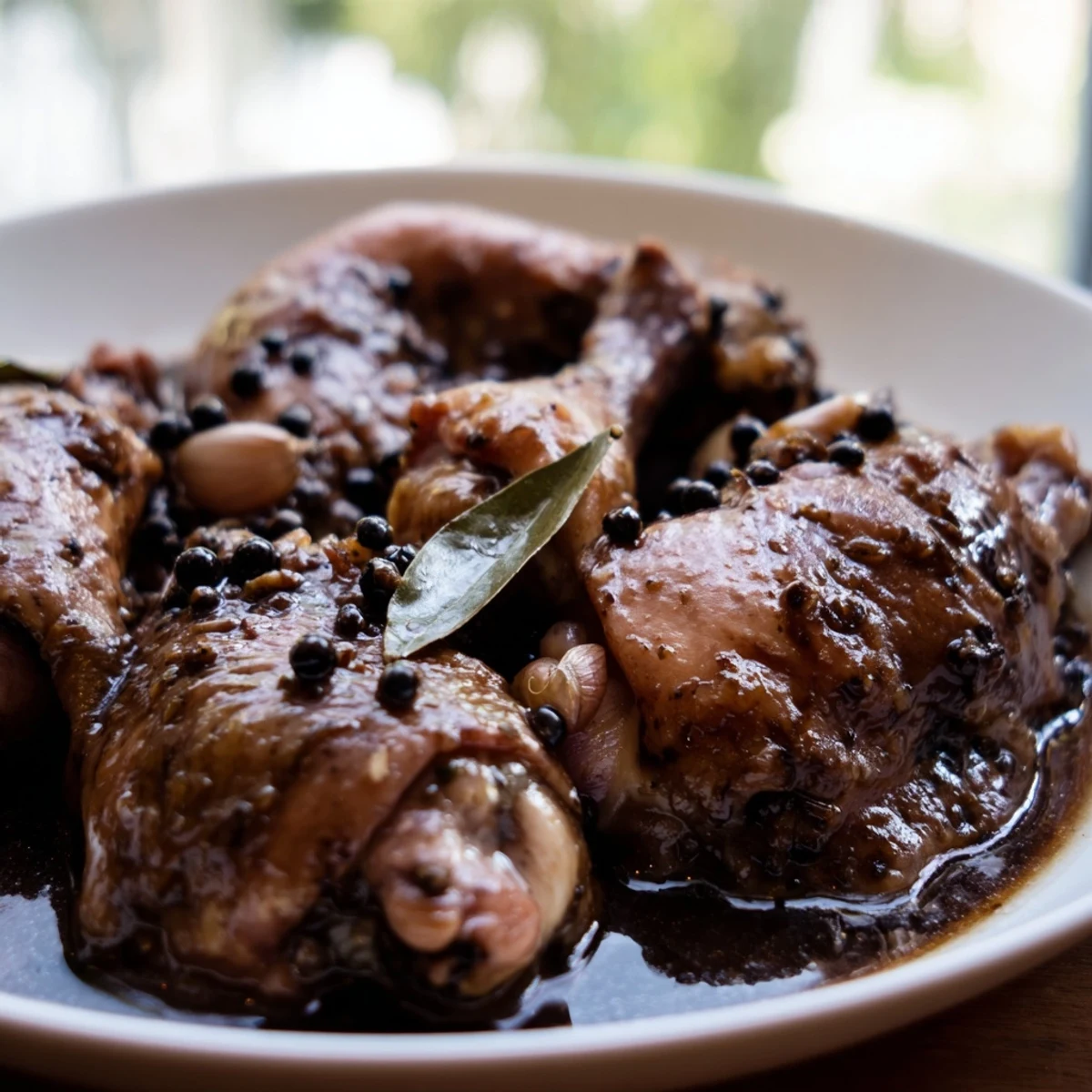
 Filipino Chicken Adobo transforms simple chicken thighs and drumsticks into an extraordinary dish through braising in a balanced mixture of soy sauce, vinegar, garlic, bay leaves, and peppercorns. The marinade infuses deep flavor while gentle simmering creates incredibly tender meat. The sauce reduces to a perfect consistency—savory, slightly tangy, and wonderfully coating. Ready in just over an hour, this dairy-free main serves four generously. Optional potatoes add heartiness, while coconut milk variations create creamy richness. The dish improves overnight, making it excellent for meal prep.
The first time I walked into my friend Tita Mercy's kitchen, the air was thick with the sharp, tangy aroma of vinegar and garlic hitting hot oil. She was making adobo, and she laughed when I asked for the recipe, saying, 'There's no measuring in adobo, only tasting.' Now I understand what she meant—the balance of soy and vinegar is something you feel in your gut after making it enough times, watching the sauce transform from thin and sharp to thick and glossy.
Last rainy Tuesday, I made a double batch for my roommates who'd never had Filipino food before. They hovered around the pot the whole time, drawn in by that unmistakable vinegar-garlic perfume that fills the whole house. When we finally sat down to eat, one of them just kept saying, 'I don't understand how something this simple tastes this good' between bites of sauce-soaked rice.
Ingredients
- 1.2 kg bone-in chicken thighs and drumsticks: The bone and skin are non-negotiable here—they're what gives the sauce that rich body and keeps the meat impossibly tender
- 1/2 cup soy sauce: This is your salt foundation, so use a good quality brand you actually like the taste of
- 1/2 cup cane vinegar: The acid that cuts through everything, though white or apple cider vinegar will work in a pinch
- 6 cloves garlic, crushed: Never mince it—crushing releases all those essential oils into the sauce
- 2 bay leaves: They add this subtle earthy backbone that you'll miss if it's not there
- 1 tsp whole black peppercorns: Whole is better than ground here, since they soften slightly as they simmer
- 1 tbsp brown sugar: Just enough to round out the sharp edges without making it sweet
- 2 tbsp vegetable oil: For getting that golden-brown sear on the chicken first
- 1 medium onion, sliced: Optional, but I almost always add it now for that extra layer of sweetness
Instructions
- Marinate the chicken:
- Toss everything in a bowl and let it sit for at least 30 minutes, though honestly, overnight in the fridge is where the magic really happens
- Pat it dry:
- Remove the chicken from the marinade and dry each piece thoroughly with paper towels—this is the secret to getting actual browning instead of steaming
- Sear the chicken:
- Heat oil in a deep pan over medium-high heat and brown the chicken skin-side first, about 2-3 minutes per side until golden
- Add the aromatics:
- Toss in your sliced onion if you're using it and let it soften for a couple of minutes until fragrant
- Simmer everything together:
- Pour in the reserved marinade and water, bring it to a bubble, then cover and cook on low for 25-30 minutes until the chicken falls off the bone
- Reduce the sauce:
- Uncover and let it simmer for another 10-15 minutes until the sauce thickens and coats the back of a spoon
 Save to Pinterest
 My grandmother always said adobo is the dish that tells you how much patience you have. Some days I'll let it simmer slowly for an hour while I putter around the kitchen, and other days I'm in a rush and the sauce still comes out good. But the batches where I don't rush anything, where I let the garlic really infuse the oil and take the time to properly reduce the sauce—those are the ones that have everyone asking when I'm making it again.
Getting the Sauce Right
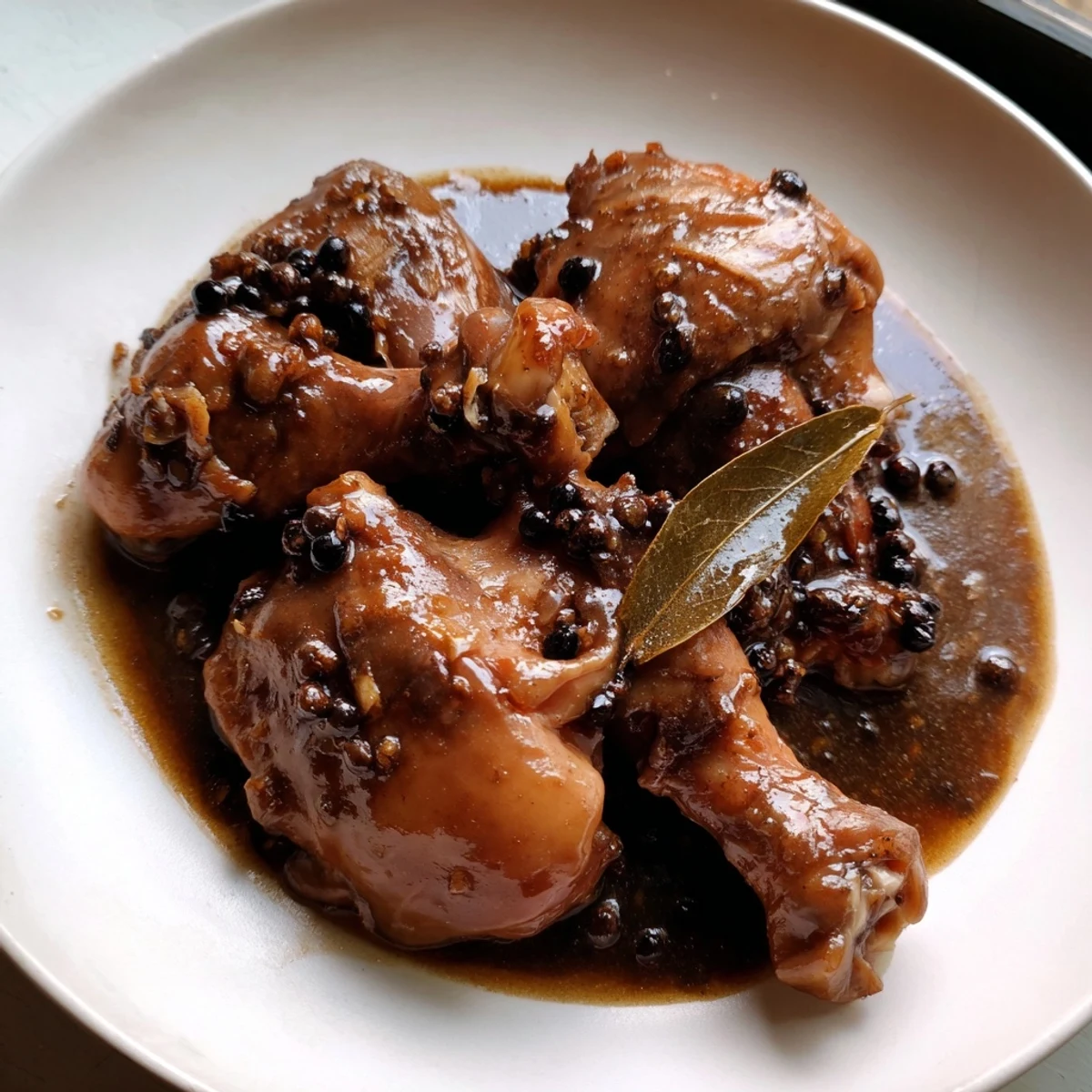
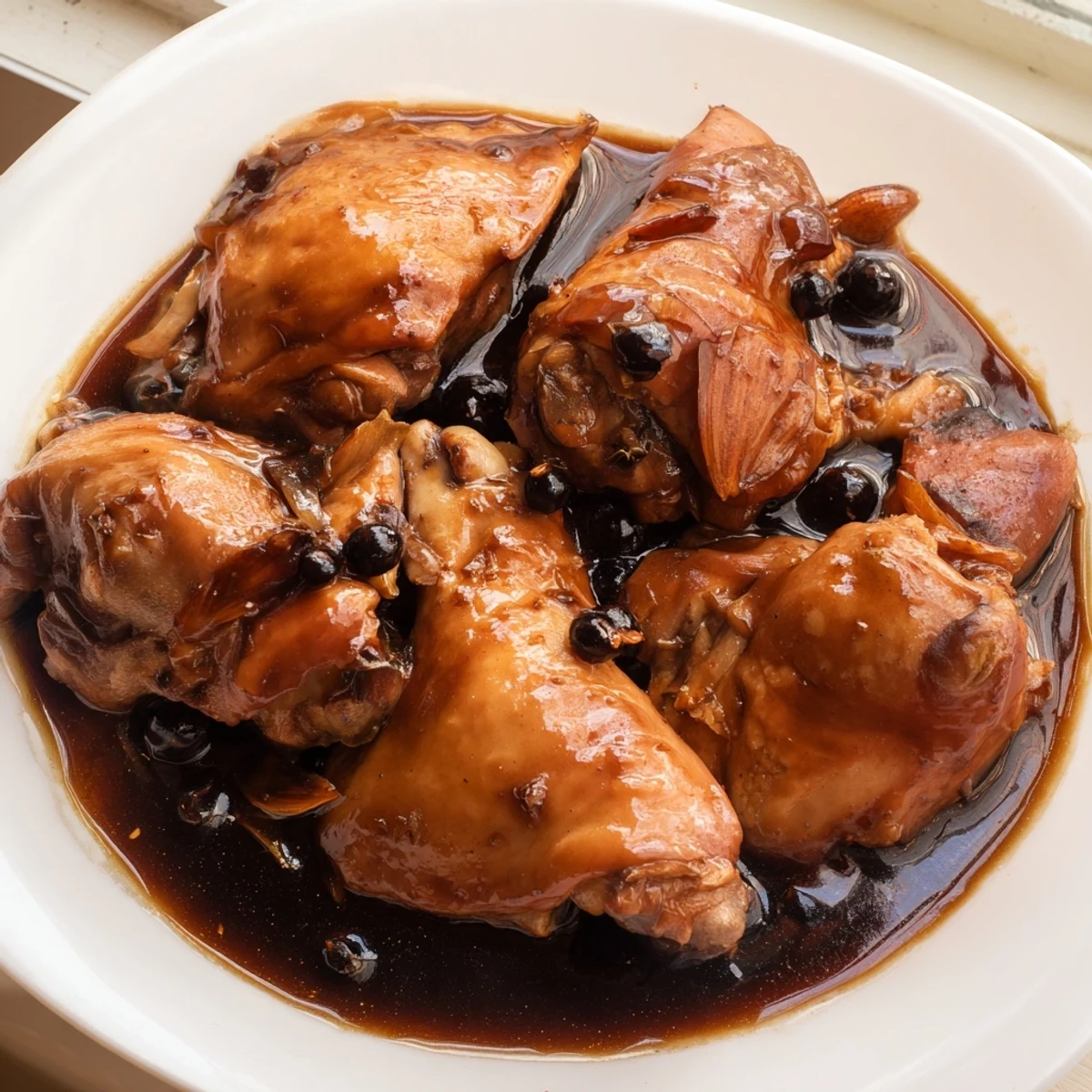
The sauce should be glossy and thick enough to cling to the rice, but still pourable. I've learned that every stove is different, so trust your eyes more than the timer. You're looking for those big, lazy bubbles that tell you the liquid has reduced enough to concentrate all those flavors.
The Rice Factor
Fresh jasmine rice, still steaming hot, is non-negotiable. The sauce is intense enough that you need something plain to balance it out. I always make extra rice because the sauce-to-rice ratio in my bowl is never quite enough.
Make It Your Own
Once you've made the basic version a few times, you'll start developing your own ratio of soy to vinegar. Some Filipino families like it more sour, others more salty. Tita Mercy always said the best adobo is the one that tastes like home to you.
- Try adding a splash of coconut milk at the end for a creamier version called Adobo sa Gata
- A pinch of turmeric gives the sauce this beautiful golden color
- Fried garlic on top is never a bad decision
 Save to Pinterest
 There's something about a pot of adobo simmering on the stove that makes even a regular Tuesday feel special. Maybe it's the way the whole house smells, or maybe it's just knowing you're about to eat something that's been loved for generations.
Recipe FAQs
- → What makes Filipino adobo unique?
-
The combination of soy sauce and vinegar creates the signature tangy-savory balance that defines adobo. Garlic, bay leaves, and peppercorns add aromatic depth while slow braising concentrates flavors into the meat.
- → Can I use other meat besides chicken?
-
Pork works beautifully in adobo and many Filipinos combine pork and chicken for varied textures. The cooking time remains similar since both meats benefit from slow braising in the vinegar-soy mixture.
- → How long should I marinate the chicken?
-
Thirty minutes minimum provides good flavor, but overnight marinating in the refrigerator yields the most tender, deeply seasoned results. The longer marination time allows vinegar to penetrate the meat fully.
- → What vinegar works best?
-
Cane vinegar offers traditional mild sweetness, but white vinegar or apple cider vinegar work well. White vinegar provides sharper acidity while apple cider adds fruity undertones to the sauce.
- → How do I thicken the sauce?
-
Uncover the pot during the final 10-15 minutes of cooking to allow liquid to evaporate and sauce to reduce naturally. The sauce thickens as it concentrates and coats the chicken beautifully.
- → What sides complement adobo?
-
Steamed jasmine rice is the classic pairing that soaks up the savory sauce. Simple vegetables like steamed bok choy or sautéed green beans balance the rich flavors. Fried garlic and scallions add texture.
