
 Save to Pinterest
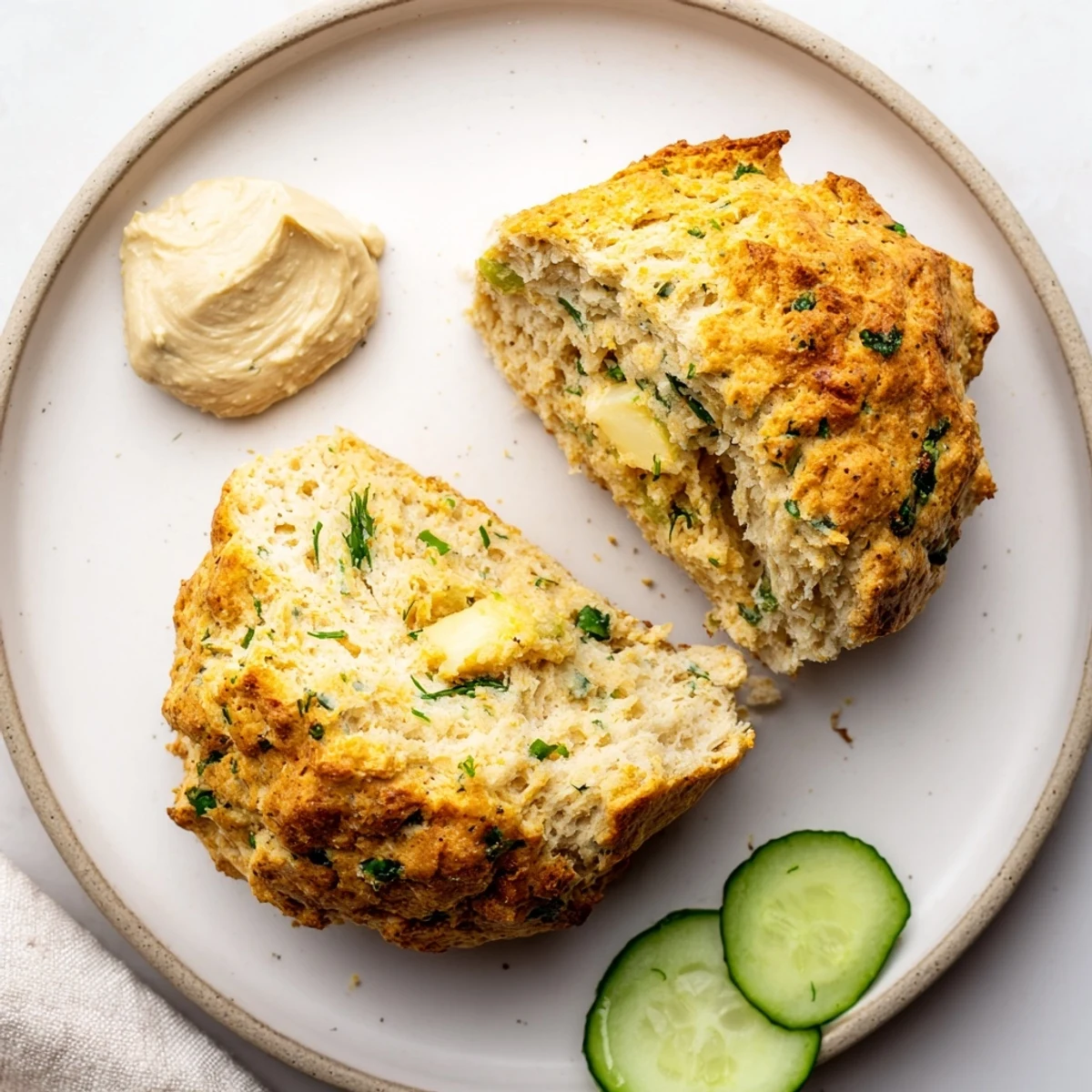
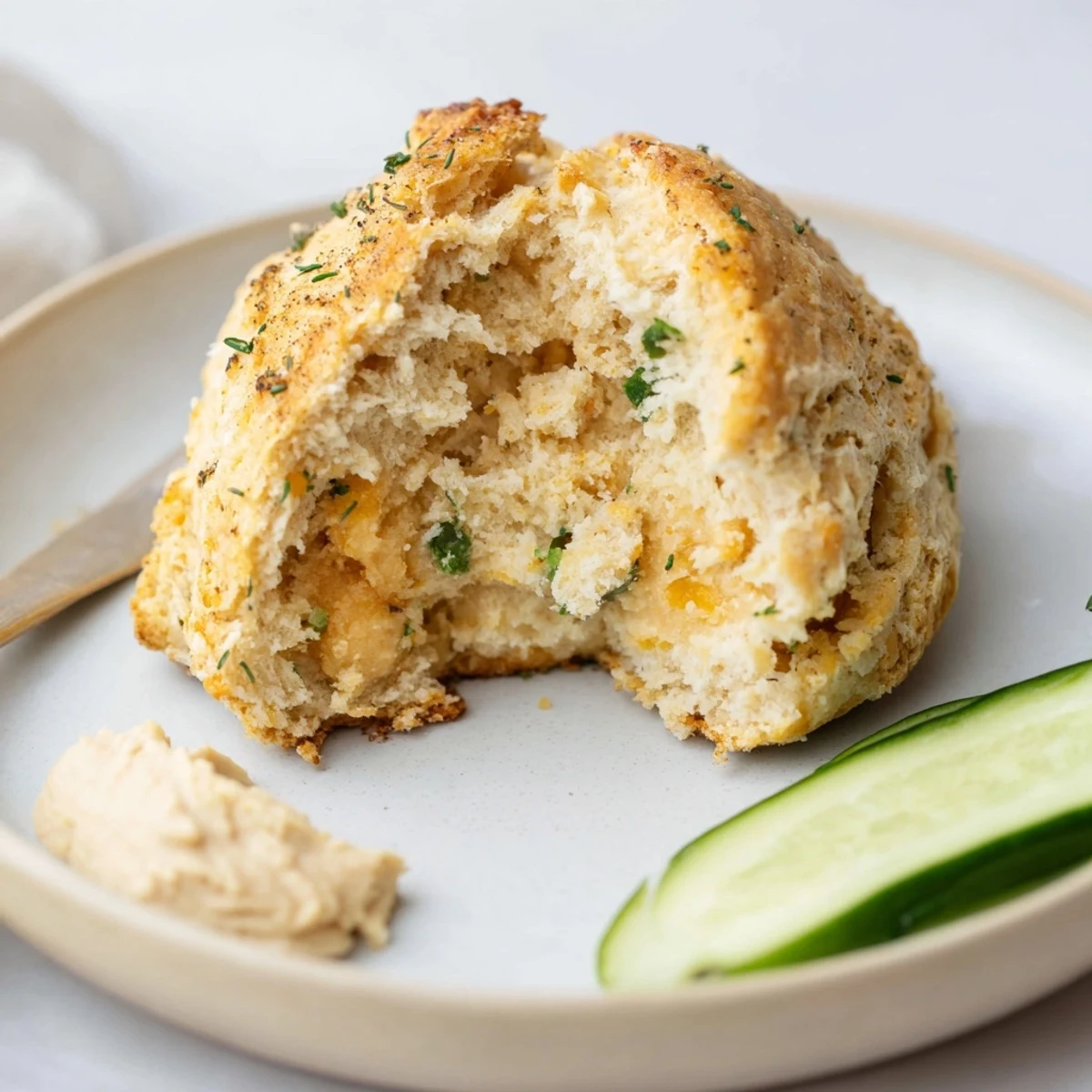
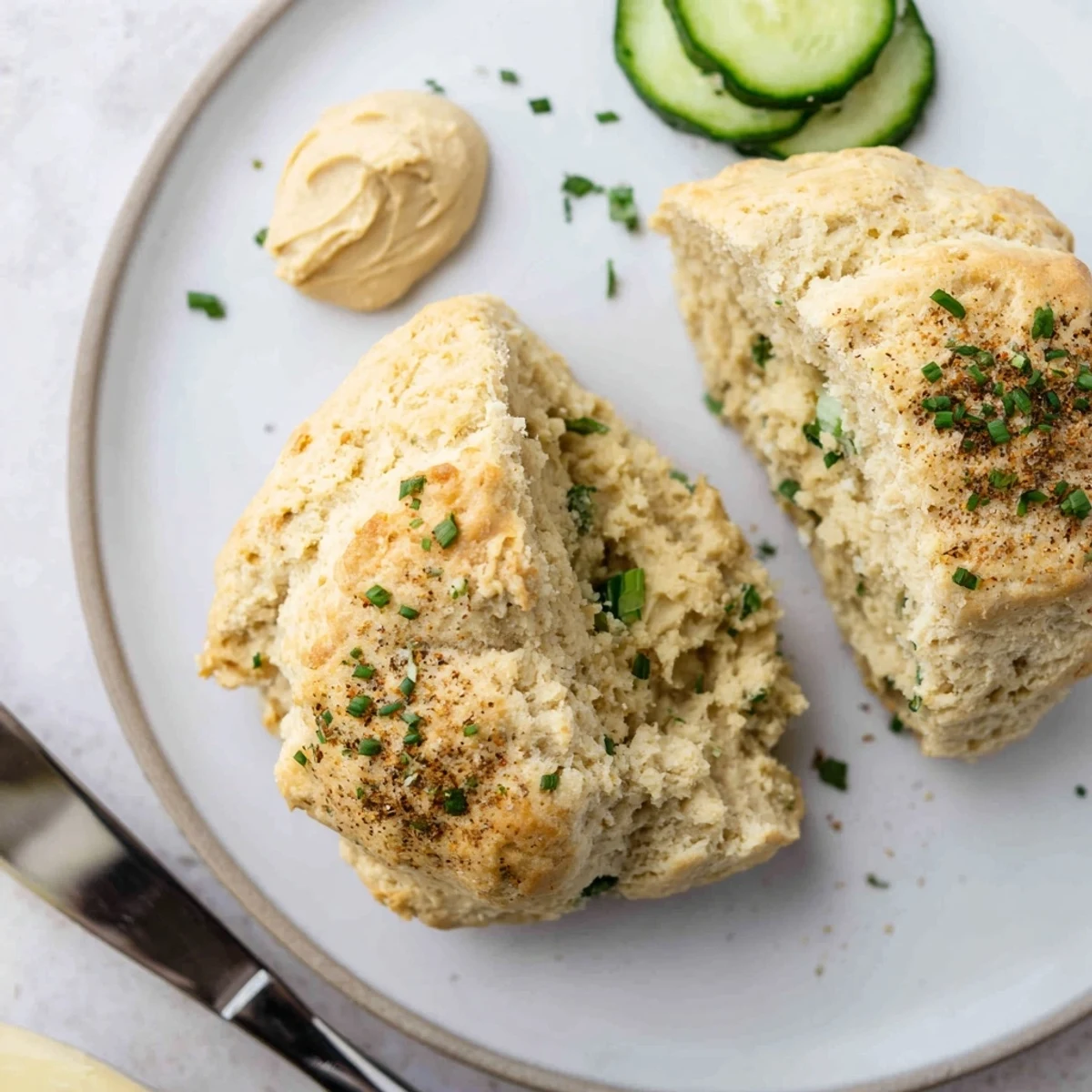
 These humous scones combine all-purpose flour, cold butter, and creamy hummus to yield tender, flaky rounds in about 35 minutes. Mix flour, baking powder, salt and optional cumin, cut in cold butter until crumbly, then stir in hummus, milk and egg until just combined. Fold in herbs or feta, shape and cut into rounds, then bake at 200°C (400°F) for 18–20 minutes until golden. Serve warm with salads, soups, or dips; use plant-based swaps for a vegan version.
The radiator in my kitchen was broken the winter I discovered hummus scones, so I baked constantly just to stay warm, and one afternoon I dumped a generous spoonful of hummus into my scone dough out of pure curiosity. The result was so absurdly good that I made three batches that same week, handing them out to neighbors who probably thought I was campaigning for something. They are fluffy, faintly savory, and somehow both comforting and surprising in a way that makes people close their eyes when they take the first bite.
My friend Laura stopped by unannounced one Saturday, spotted a plate of these cooling on the counter, and ate four before she even took her coat off, which remains one of the finest compliments I have ever received as a cook.
Ingredients
- All-purpose flour (250 g): Plain flour gives the scones a tender crumb, and I have learned to spoon it into the cup rather than packing it down.
- Baking powder (2 tsp): Fresh baking powder is non-negotiable here because these scones rely entirely on it for their rise, so toss the old tin if it has been open longer than six months.
- Salt (1/2 tsp): A generous pinch of salt makes the hummus flavor pop in ways you will notice immediately.
- Ground cumin (1/4 tsp, optional): Just a whisper of cumin bridges the gap between a British scone and a Mediterranean dip, and even skeptics tend to love it.
- Unsalted butter (60 g, cold and cubed): Keep the butter refrigerator cold until the moment you need it because warm butter melts into the flour instead of creating those flaky pockets.
- Plain hummus (125 g): Use your favorite store-bought hummus or homemade, and aim for a smooth one without large chunks of chickpea.
- Milk (80 ml): Any milk works, from whole dairy to oat, and you want it cold to keep the dough temperature down.
- Large egg (1): The egg adds structure and richness, though vegan bakers can skip it with a splash of extra milk.
- Fresh parsley or chives (2 tbsp, optional): Herbs scattered through the dough make each bite fragrant and colorful.
- Crumbled feta cheese (50 g, optional): Salty little pockets of feta turn a good scone into something people will absolutely text you about later.
Instructions
- Set the stage:
- Preheat your oven to 200 degrees C (400 degrees F) and line a baking sheet with parchment paper so nothing sticks when the scones bloom outward in the heat.
- Build the dry base:
- In a large bowl, whisk together the flour, baking powder, salt, and cumin until evenly distributed, taking a moment to enjoy the faintly earthy aroma of the spice.
- Cut in the butter:
- Drop in the cold cubed butter and rub it between your fingertips until the mixture looks like coarse sand with a few larger flakes, working quickly so the warmth of your hands does not soften the butter too much.
- Bring it together:
- Pour in the hummus, milk, and beaten egg, then stir gently with a wooden spoon or spatula just until a shaggy dough forms, resisting the urge to keep mixing because overworked dough makes tough scones.
- Add the extras:
- Fold in the herbs and feta with a few light turns of the spoon so the add-ins are scattered throughout without being overworked into the dough.
- Shape and cut:
- Turn the dough onto a lightly floured surface, pat it gently into a round about 2.5 cm (1 inch) thick, and cut out scones with a 6 cm (2.5 inch) cutter, pressing straight down without twisting for the best rise.
- Bake until golden:
- Arrange the rounds on the prepared sheet and bake for 18 to 20 minutes until puffed and lightly golden on top, filling your kitchen with the kind of smell that draws people in from other rooms.
- Rest and serve:
- Let the scones cool on the sheet for five minutes so the crumb can set before you serve them warm with extra hummus or a slathering of butter.
 Save to Pinterest
 I packed a basket of these scones for a picnic last spring and watched a group of grown adults abandon their forks and eat with their hands, grease on their chins, grinning like children.
Serving Ideas That Actually Work
These scones love to sit beside a bowl of roasted tomato soup on a rainy Tuesday, but they also hold their own as a standalone snack with nothing more than a smear of extra hummus and a few slices of cucumber.
Making Them Vegan
Swap the butter for a good plant-based block, use non-dairy milk, and skip the egg entirely, adding an extra splash of milk only if the dough feels too dry to come together in a shaggy mass.
Storage and Reheating
Leftover scones keep well in an airtight container at room temperature for up to two days, and a quick five-minute stint in a moderate oven brings back that just-baked tenderness far better than a microwave ever could.
- Freeze unbaked scones on a tray, then transfer to a bag, and bake from frozen with an extra three minutes added to the time.
- A light brush of milk on top before baking gives a softer, more golden crust if you care about that kind of thing.
- Always check your store-bought hummus for sesame if you are cooking for someone with allergies, because tahini hides in the most unexpected brands.
 Save to Pinterest
 Keep one warm scone hidden in the kitchen for yourself before you carry the plate out, because these vanish shockingly fast once people realize what they are tasting.
Recipe FAQs
- → Can I make these vegan?
-
Yes. Use plant-based butter and non-dairy milk, and omit the egg (add a splash more milk if needed for dough consistency). Use vegan feta or skip cheese entirely.
- → How do I keep the scones tender and flaky?
-
Keep the butter cold and work it into the flour quickly until coarse crumbs form. Mix wet ingredients just until combined and avoid overworking the dough to preserve flakiness.
- → Can I freeze the dough or baked scones?
-
You can freeze shaped, unbaked rounds on a tray, then transfer to a bag; bake from frozen adding a few minutes. Baked scones freeze well and should be wrapped airtight before freezing; reheat gently.
- → Is store-bought hummus okay to use?
-
Store-bought hummus works well and adds convenience—choose a brand with a texture you like. Check labels for sesame or other allergens if needed.
- → What are good add-ins or flavor variations?
-
Fold in chopped parsley, chives, sun-dried tomatoes, olives, or crumbled feta for extra flavor. A pinch of smoked paprika or za'atar also complements the hummus base.
- → Any tips for baking consistency and color?
-
Arrange scones evenly on a lined sheet and bake in a preheated oven at 200°C (400°F). Brush tops with a little milk or beaten egg for a shinier, golden finish.
