
 Save to Pinterest
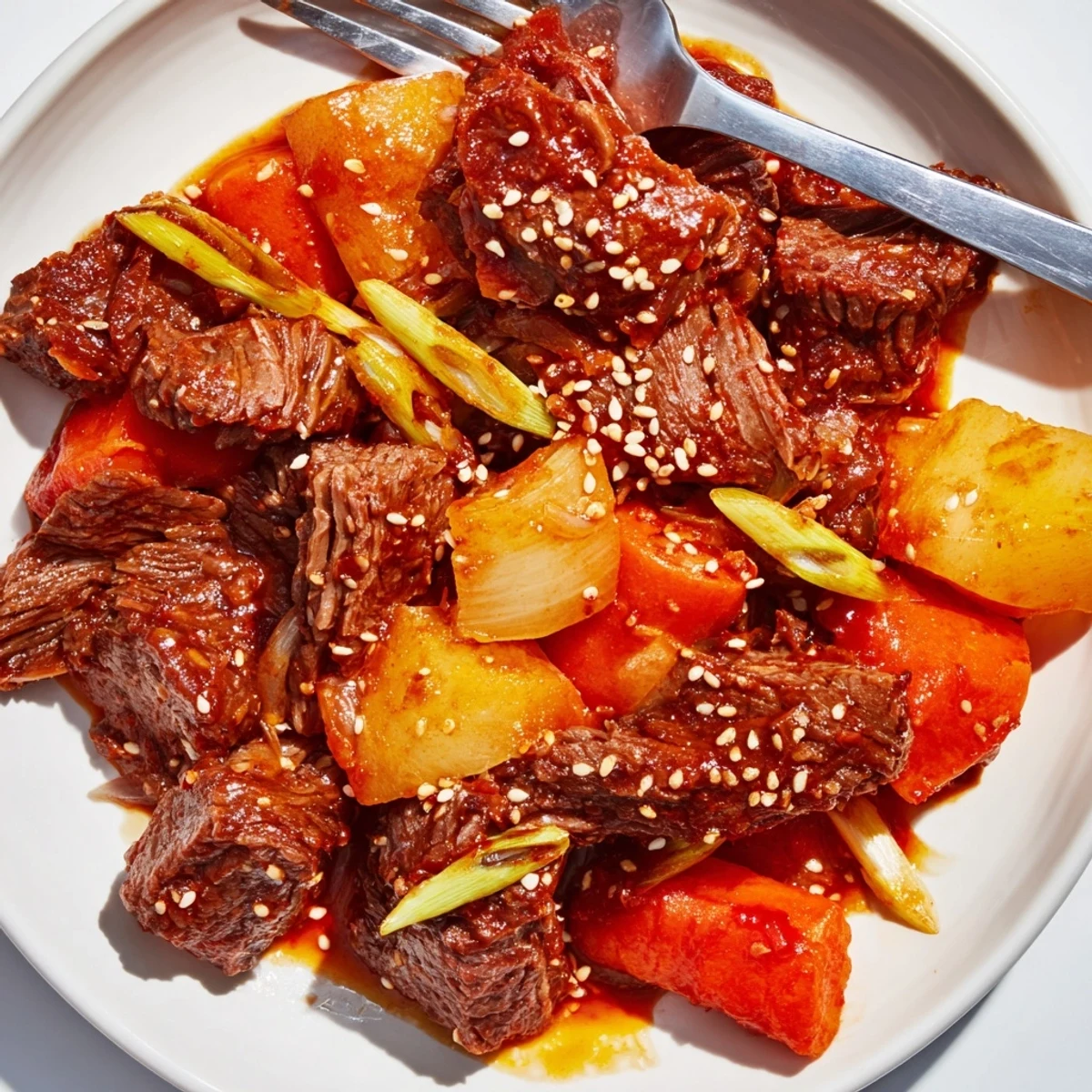
 This Korean-inspired pot roas transforms beef chuck into meltingly tender perfection through slow cooking in a deeply flavorful sauce. The combination of soy sauce, gochujang, ginger, garlic, and sesame creates a savory-sweet glaze that infuses every bite. Root vegetables like daikon radish and carrots cook alongside the beef, absorbing the rich broth.
After three hours in the oven, the beef shreds effortlessly and the sauce reduces to a glossy finish. Serve over steamed rice with extra scallions and sesame seeds for a comforting meal that bridges traditional pot roast comfort with bold Korean flavors.
The smell of gochujang hitting hot oil still takes me back to my tiny apartment kitchen, where I first attempted to merge classic pot roast techniques with Korean flavors. My roommate wandered in, skeptical about the red paste and honey situation, but stayed for the entire three-hour wait. That first bite changed everything about how I thought about comfort food.
I made this for my father's birthday last winter, and he kept asking what the secret ingredient was. Watching him uncharacteristically request seconds, then thirds, with rice soaked in that reddish-brown sauce was the kind of quiet kitchen victory that keeps you cooking.
Ingredients
- Beef chuck roast: Chuck develops the most incredible texture during long braising, with enough marbling to stay succulent through three hours of cooking
- Kosher salt and black pepper: A simple but crucial foundation that amplifies every other flavor in the final dish
- Low-sodium soy sauce: Regular soy sauce can make the finished sauce aggressively salty as it reduces
- Gochujang: This fermented chili paste brings depth beyond just heat, with undertones of sweetness and umami
- Sesame oil: Use toasted sesame oil for that unmistakable nutty aroma that defines so much Korean cooking
- Fresh ginger: Fresh is non-negotiable here, as ground ginger lacks the bright, spicy kick needed to cut through the rich beef
- Daikon radish: Daikon absorbs the braising liquid beautifully while maintaining a pleasant crunch that contrasts the tender meat
Instructions
- Get your oven ready:
- Preheat to 325°F with the rack positioned in the center, giving the roast plenty of room to cook evenly
- Season the beef:
- Pat the roast completely dry with paper towels, then season generously with salt and pepper on all sides
- Sear for flavor:
- Heat your Dutch oven over medium-high and sear the roast until deeply golden on every side, building the flavor foundation
- Build the aromatics:
- Sauté the sliced onion in the same pot until softened, using any browned bits left from the beef
- Whisk the sauce:
- Combine soy sauce, broth, brown sugar, rice vinegar, gochujang, sesame oil, honey, ginger, and garlic until smooth
- Assemble everything:
- Return the beef to the pot, scatter the carrots, daikon, and scallions around it, then pour the sauce over the top
- Braise until tender:
- Bring to a simmer on the stovetop, cover tightly, and transfer to the oven for about three hours
- Finish and serve:
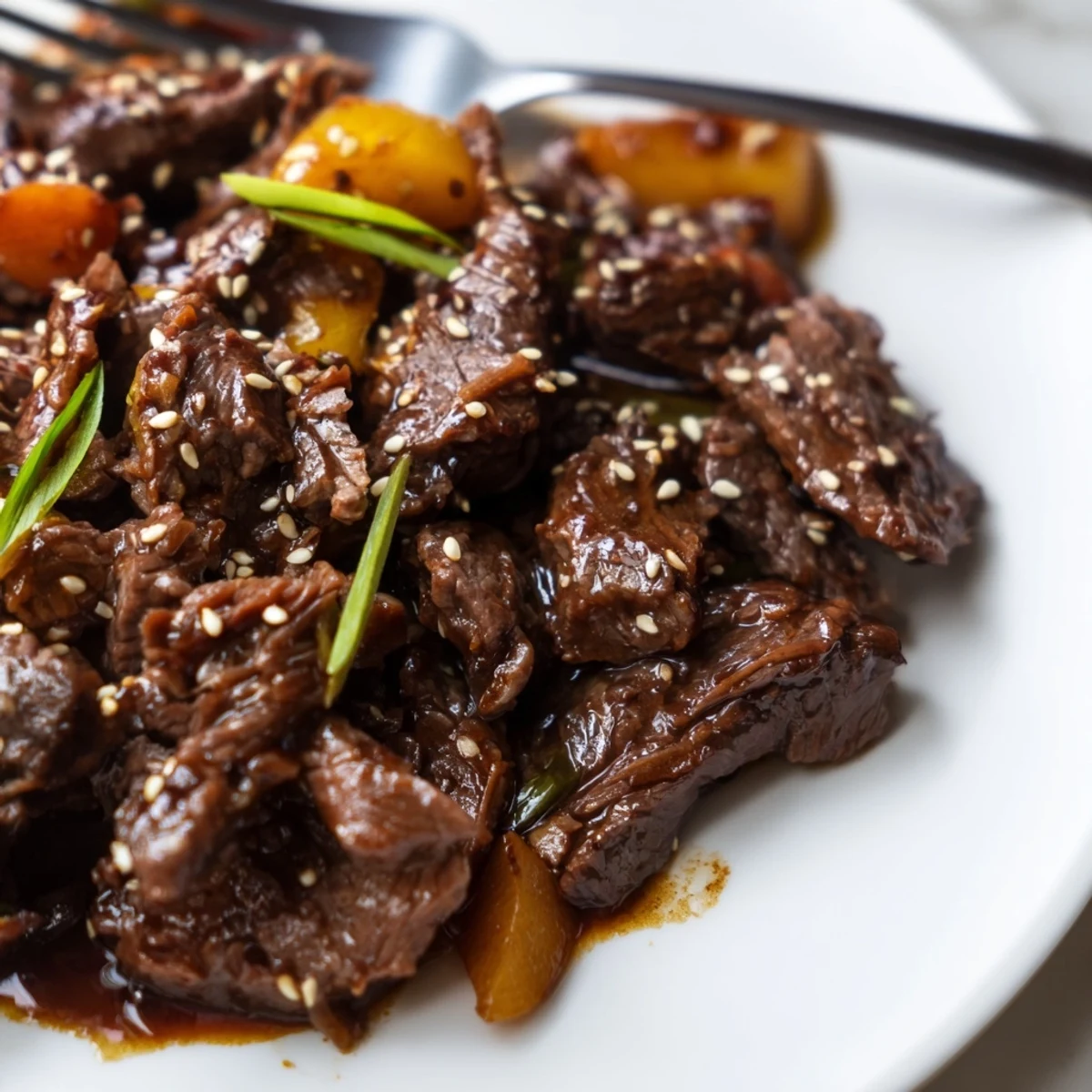
- Let the beef rest slightly before slicing or shredding, then spoon over that reduced sauce and vegetables with sesame seeds and fresh scallions
 Save to Pinterest
 This recipe became my go-to for new parents, friends recovering from surgery, or anyone who needs food that feels like a hug. Something about that combination of familiar pot roast comfort and those vibrant Korean flavors hits differently.
Making It Your Own
Once I doubled the gochujang for a dinner party full of spice lovers, and while it was fantastic, the original balance lets more subtle notes shine through. The beauty of this recipe is how forgiving it is while still delivering distinct, layered flavors.
Side Dish Magic
Steamed rice is the obvious choice, but buttered noodles or mashed potatoes work surprisingly well if you want to lean into the fusion aspect. Simple steamed broccoli or bok choy helps cut through the richness.
Timing Strategy
The three-hour oven time is mostly hands-off, making this perfect for weekend cooking or when you are working from home. I often prep everything the night before and just pop it in the oven first thing.
- The roast is done when it yields easily to a fork with practically no pressure
- Letting it rest in the warm sauce for 15 minutes before serving improves moisture distribution
- This reheats exceptionally well, so do not hesitate to make a full roast even for two people
 Save to Pinterest
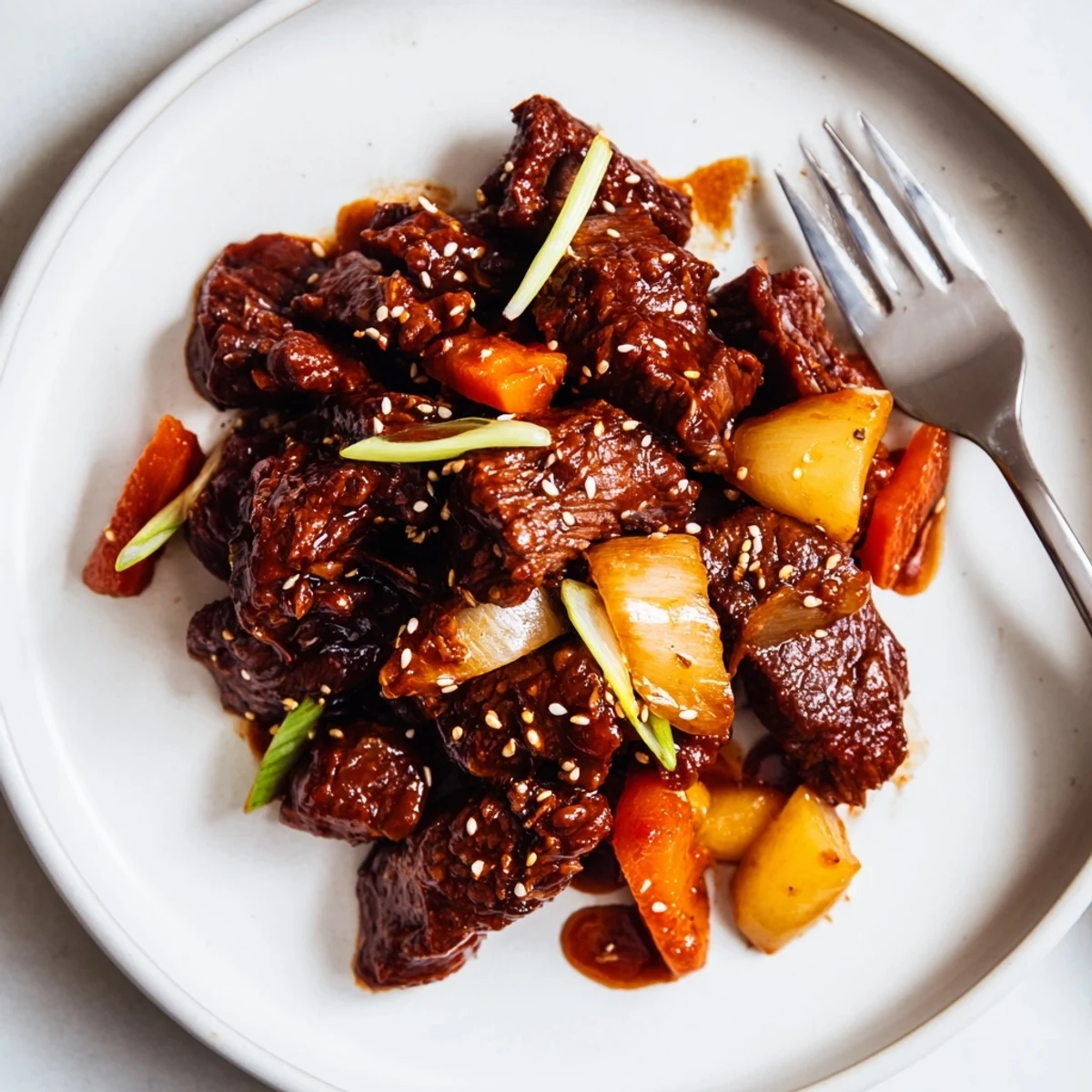
 There is something profoundly satisfying about a dish that transforms humble ingredients into something that feels celebratory and special. This pot roast has earned its permanent place in my regular rotation.
Recipe FAQs
- → What cut of beef works best for Korean-style pot roast?
-
Chuck roast is ideal due to its marbling and connective tissue that breaks down during slow cooking, becoming incredibly tender. The 3-3.5 lb size fits well in a Dutch oven and feeds 6 people generously.
- → Can I make this Korean pot roast in a slow cooker?
-
Yes. After searing the beef and sautéing the onions, transfer everything to your slow cooker. Cook on low for 7-8 hours or high for 4-5 hours until the beef shreds easily. Finish by reducing the sauce on the stovetop if desired.
- → What can I substitute for gochujang Korean chili paste?
-
For similar heat and fermented flavor, use red pepper flakes mixed with a bit of miso paste. Sambal oelek works in a pinch, though you'll miss the slight sweetness. Adjust brown sugar slightly to compensate.
- → How spicy is this Korean-style roast?
-
With 2 tablespoons of gochujang, the dish offers mild to medium heat—warming rather than overwhelming. Increase to 3-4 tablespoons or add red pepper flakes if you prefer more intensity.
- → What sides complement Korean pot roast?
-
Steamed white rice soaks up the flavorful sauce beautifully. Kimchi adds tangy contrast and helps cut through the richness. Simple steamed broccoli or bok choy with garlic also balances the hearty meat.
- → Can I prepare this Korean-style roast ahead?
-
The flavor actually improves overnight. Cook completely, cool, and refrigerate. The next day, skim solidified fat from the surface and reheat gently on the stove. The sauce will have thickened and penetrated the meat even more deeply.
- → Is daikon radish necessary or can I use other vegetables?
-
Daikon adds subtle sweetness and absorbs the sauce beautifully, but potatoes or turnips work as substitutes. You can also add parsnips for additional earthiness. Adjust cooking time slightly if using potatoes.
