
 Save to Pinterest
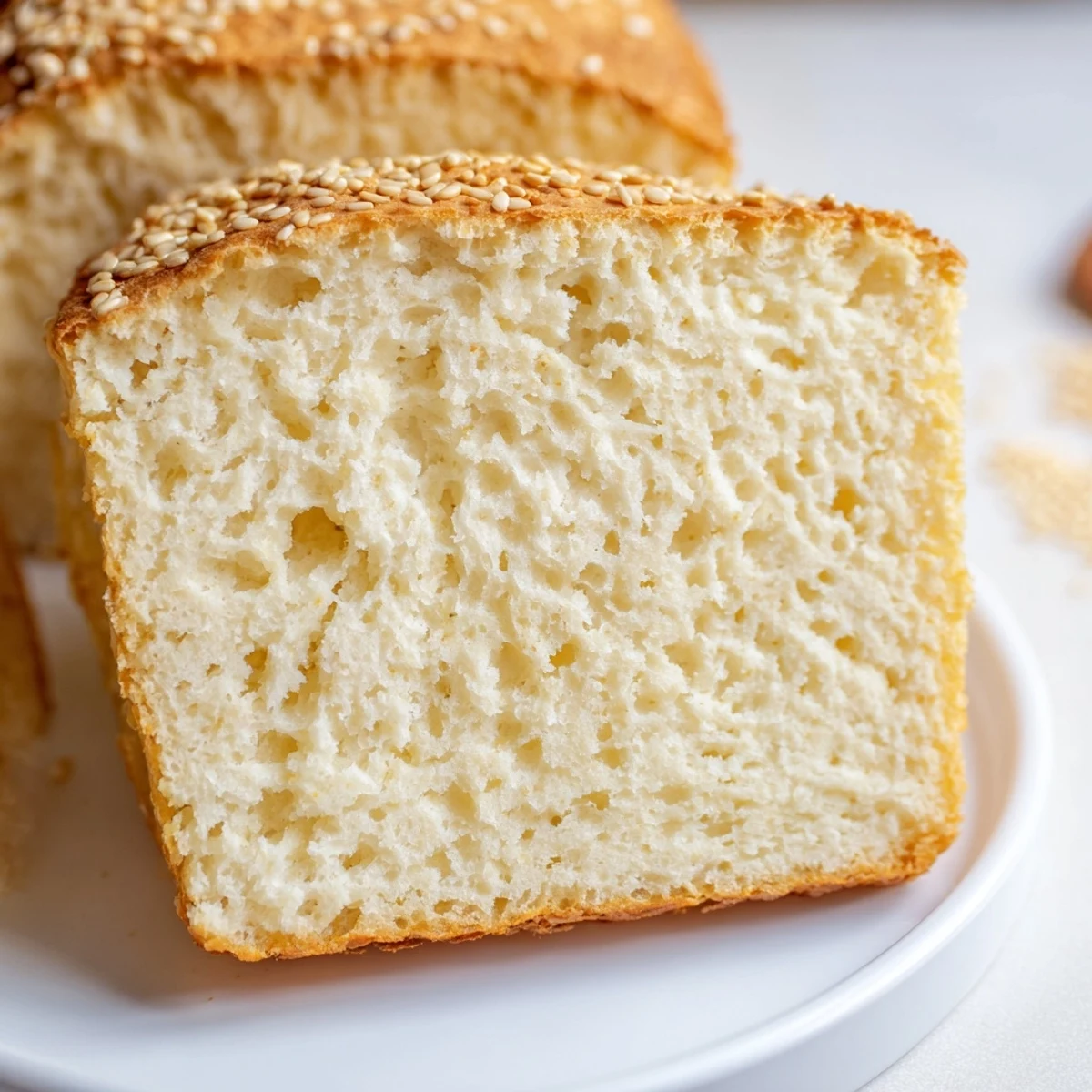
 This incredibly simple loaf combines just a few basic ingredients to create a surprisingly fluffy and satisfying bread alternative. The tangy Greek yogurt pairs perfectly with eggs, creating a protein-rich base that yields a tender crumb and golden crust.
Mix everything together in minutes, let the coconut flour work its magic, then bake until beautifully risen. The result slices beautifully for toasting, sandwich-making, or enjoying plain with your favorite spread.
At only 1 gram of carbohydrates per slice, this fits perfectly into low-carb and ketogenic lifestyles while still delivering the comfort of fresh-baked bread.
The first time I pulled this bread from the oven, I actually laughed. It smelled like real bakery bread, toasted and golden, yet there wasn't a grain of wheat in sight. My kitchen helper, skeptical of anything labeled keto, took one bite and demanded to know when I was making another loaf. That moment of watching someone's eyes light up over something so simple and healthy remains one of my favorite kitchen memories.
Last winter, when my sister was trying to reduce carbs but couldn't give up her morning toast ritual, this bread became our weekend project. We'd experiment with different toppings, from everything bagel seasoning to herbs de provence, and the loaf never lasted past Monday morning. There's something deeply satisfying about watching skeptical faces turn into converts after that first warm bite.
Ingredients
- Full-fat Greek yogurt: The tanginess mimics sourdough and provides the structure, so don't skip this or use low-fat versions
- Eggs: Room temperature eggs whip up better and create that beautiful rise we're after
- Coconut flour: This incredible flour absorbs liquid like magic, so measure precisely and don't substitute with almond flour
- Baking powder: Fresh baking powder makes all the difference between a dense brick and an airy loaf
- Salt: Don't underestimate how salt balances the tangy yogurt and brings everything together
- Apple cider vinegar: This optional trick activates the baking powder for extra height and tenderness
Instructions
- Prepare your oven and pan:
- Preheat to 180°C (350°F) and line an 8x4 inch loaf pan with parchment paper, letting the ends overhang for easy removal later
- Whisk the wet base:
- In a medium bowl, beat the Greek yogurt and eggs until completely smooth and slightly frothy, about 30 seconds
- Blend the dry mixture:
- Sift together the coconut flour, baking powder, and salt in a small bowl to prevent any lumps
- Combine and rest:
- Pour the dry ingredients into the wet mixture and stir thoroughly, then let the batter rest for 2-3 minutes while the coconut flour absorbs the moisture
- Add the secret lift:
- Stir in the apple cider vinegar if using, watching it create tiny bubbles that will help your bread rise beautifully
- Shape and top:
- Transfer the batter to your prepared pan, smooth the top with a spatula, and sprinkle with sesame or poppy seeds if you're feeling fancy
- Bake to golden perfection:
- Bake for 30-35 minutes until the top is golden brown and a toothpick inserted in the center comes out clean
- Cool completely:
- Let the bread cool completely in the pan before removing and slicing, otherwise it might crumble and break your heart
 Save to Pinterest
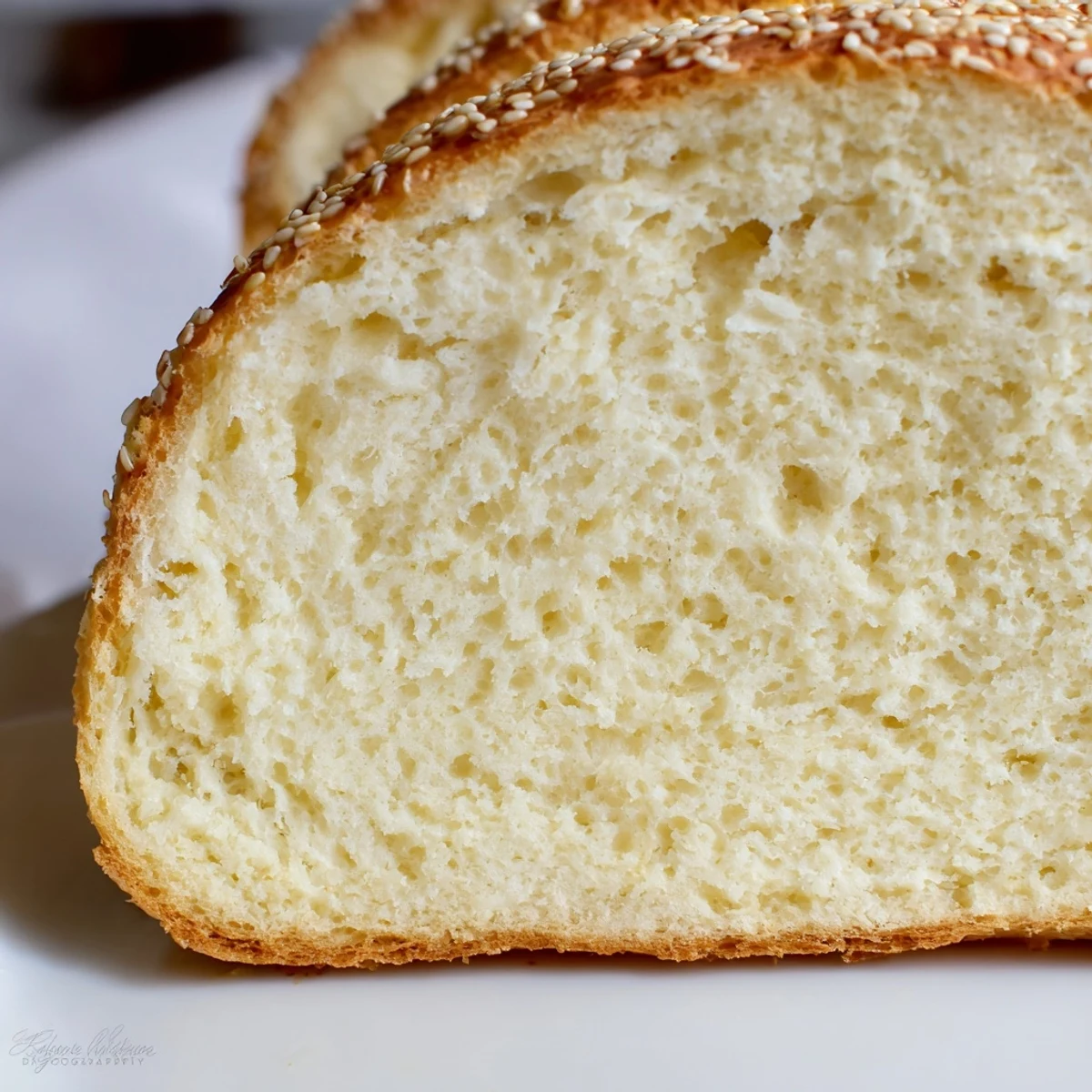
 What started as an experiment for my own low-carb journey has become the bread I make for everyone, regardless of their dietary preferences. There's something wonderful about serving food that happens to be healthy instead of food that tastes like a compromise.
Making It Dairy-Free
Coconut yogurt works surprisingly well as a substitute, though the bread will have a slightly sweeter note and more tropical aroma. The texture remains just as fluffy, which I discovered during a week-long experiment when I was helping a friend who's dairy-sensitive navigate keto baking.
Flavor Variations That Work
This bread takes on personality beautifully when you add mix-ins. I've found that dried rosemary and garlic powder transform it into a perfect companion for soup, while cinnamon and a touch of vanilla make it almost like a dessert bread. The base recipe is forgiving and welcomes your creativity.
Storage and Freshness Tips
Unlike traditional bread, this actually improves after a day in the refrigerator as the flavors meld together. I keep my loaf wrapped in parchment in the fridge, where it stays fresh for up to five days. For longer storage, slice it before freezing and you'll have toast-ready pieces waiting whenever the craving strikes.
- Toast slices in a dry pan for the crispest edges
- A little melted butter on warm slices brings out the best flavor
- Never skip the parchment paper, it's your insurance policy
 Save to Pinterest
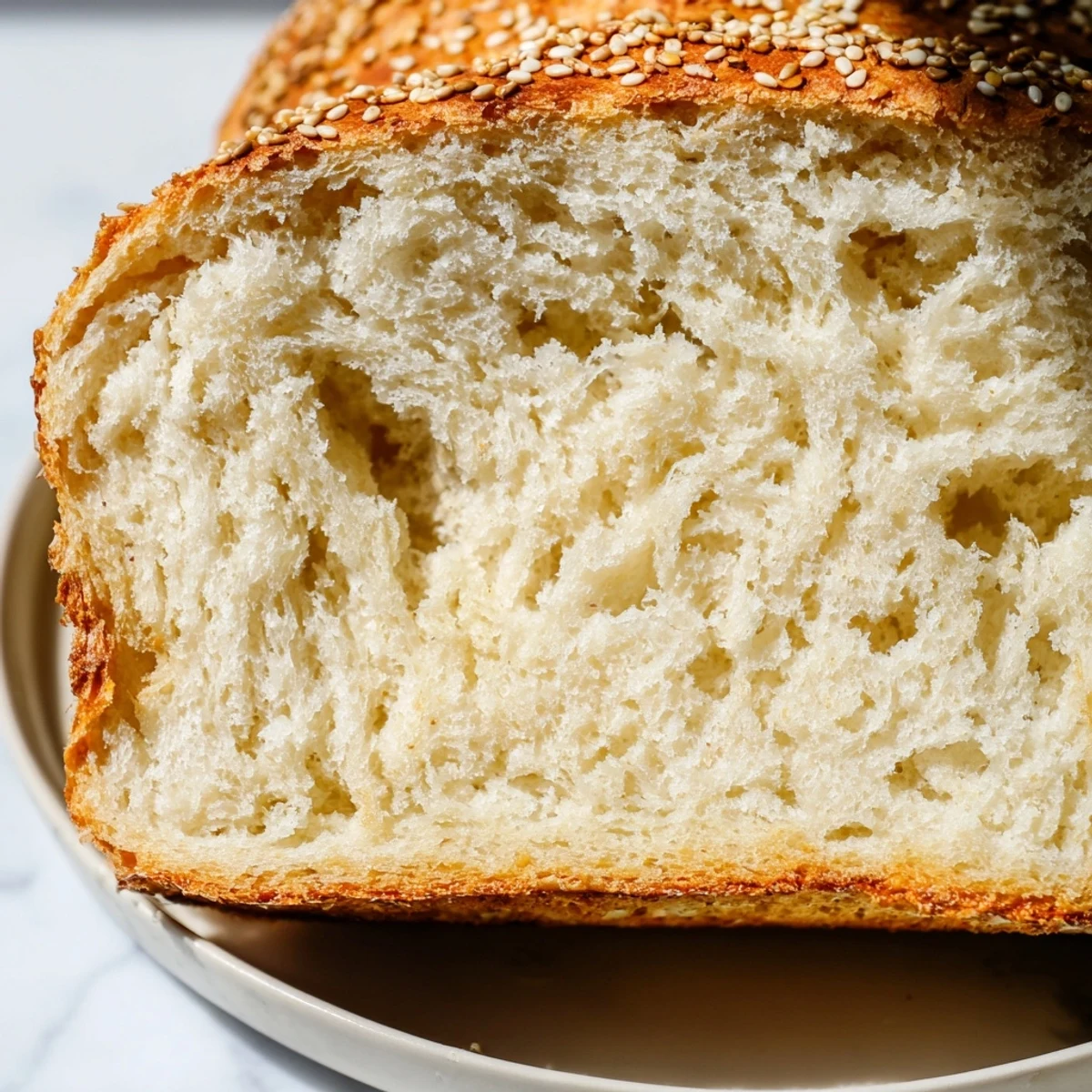
 There's genuine joy in pulling a fresh loaf from the oven, especially one that happens to be as nourishing as it is delicious. Here's to many more mornings of toast that fuels you without weighing you down.
Recipe FAQs
- → Can I use regular flour instead of coconut flour?
-
Coconut flour is essential here as it absorbs moisture differently than other flours. Regular wheat flour would not work with the small amounts specified, and almond flour would create a denser, heavier result.
- → How should I store this bread?
-
Store in an airtight container at room temperature for up to 3 days, or refrigerate for up to a week. This loaf also freezes beautifully—slice before freezing for easy toasting later.
- → Why does the batter need to rest?
-
Coconut flour requires time to fully absorb liquid from the yogurt and eggs. Letting it sit for 2-3 minutes ensures proper hydration and prevents a gritty texture in the final loaf.
- → Can I make this dairy-free?
-
Yes, unsweetened coconut yogurt works as a direct substitute for Greek yogurt. The texture remains similar, though the flavor profile will be slightly more subtle.
- → Why is apple cider vinegar optional?
-
The vinegar reacts with baking powder to create extra lift, resulting in a lighter, airier crumb. It's not strictly necessary but helpful for maximum fluffiness.
- → Can I double this recipe?
-
This recipe makes one standard loaf. Doubling works, but you'll need to adjust baking time and potentially use two pans or a larger pan—monitor closely to prevent overbaking.
